
What are the 3C’s of SEO? – You’ve heard the buzzwords: SEO, keywords, backlinks, algorithms. It can feel like navigating a maze designed by a particularly abstract artist. But at its core, Search Engine Optimization isn’t about arcane rituals or secret handshakes. It’s about understanding how search engines work and, more importantly, how users work. And to achieve that understanding, you can distill the entire discipline into three fundamental pillars, the “3 C’s of SEO”: Content, Code, and Credibility.
These aren’t just terms to memorize; they represent the actionable areas where you will invest your time and effort to improve your website’s visibility in search engine results pages (SERPs). Ignoring any one of these is akin to trying to build a sturdy house with only two walls. You might have something, but it won’t stand up to the elements – or more accurately, to the scrutiny of Google and its ilk. If you’re looking for an even simpler mental model, this explainer on the golden rule of SEO distills things down even further.
This article will break down each of these C’s, explaining their significance and providing practical insights into how you can improve them. No fluff, no hyperbole, just a straightforward examination of what it takes to make your website discoverable and valuable to both search engines and, ultimately, your target audience.
Content is where your SEO journey truly begins. Without compelling, relevant, and well-structured content, even the most technically sound website will struggle to rank. Search engines aim to provide users with the best possible answers to their queries. Your content is your answer. It’s what you offer to the world, what you use to attract, engage, and inform your visitors.
Understanding Search Intent
Before you even type a single word, you need to understand why someone would be searching for the information or product you offer. This is known as search intent. It’s the underlying motivation behind a user’s search query.
Informational Intent
A user with informational intent is looking to learn something. They have a question and they’re seeking an answer. Examples include “how to tie a tie,” “what is photosynthesis,” or “best vegan recipes.” Your content should aim to provide clear, comprehensive, and easily digestible information that directly addresses their query.
Navigational Intent
Navigational intent occurs when a user knows exactly what website they want to visit but uses a search engine to get there. They might type “Facebook login” or “Amazon.” If your brand is recognizable, optimizing for your brand name is crucial to capture this intent.
Transactional Intent
Users with transactional intent are looking to make a purchase or complete an action. This includes searches like “buy iPhone 14,” “rent a car in London,” or “sign up for newsletter.” Your content for transactional intent needs to be persuasive, highlight benefits, and make the conversion process as smooth as possible.
Commercial Investigation Intent
This type of intent sits between informational and transactional. Users are researching products or services before making a purchase. They might be comparing options, reading reviews, or looking for the best deals. Examples include “best noise-canceling headphones” or “Shopify vs. WooCommerce.” Content that facilitates comparison and provides in-depth analysis is key here.
The Pillars of High-Quality Content
Once you understand intent, you can start crafting content that truly resonates. This means focusing on several key attributes:
Relevance and Accuracy
Is your content directly related to the search query? Does it accurately answer the user’s question or fulfill their need? Inaccurate or misleading content will quickly be dismissed by users and penalized by search engines. This requires thorough research and a commitment to providing factual information.
Depth and Comprehensiveness
Does your content go beyond surface-level information? For informational queries, users often appreciate detailed explanations and comprehensive coverage of a topic. For product-related content, this might mean detailed specifications, usage instructions, and comparisons. Think about what a user would need to know to feel fully informed.
Uniqueness and Originality
Are you simply rehashing what everyone else is saying, or are you offering a fresh perspective, unique insights, or original data? Plagiarism and duplicate content are detrimental to your SEO. Original content that adds value or a new dimension to a topic is highly prized.
Readability and Formatting
Even the most brilliant content will fail if it’s a wall of text. Clear headings, subheadings, short paragraphs, bullet points, and images all contribute to readability. Users scan content online; make it easy for them to find the information they need. Use simple language, avoid jargon where possible, and ensure a logical flow.
Keyword Integration (Natural, Not Forced)
Keywords are still important, but they should be integrated naturally into your content. Think about the terms your target audience would use when searching for your information. Use these keywords in your titles, headings, and within the body of your text, but don’t stuff them in unnaturally. Search engines are sophisticated enough to understand synonyms and related concepts. The goal is to write for humans first, while keeping search engine crawlers in mind. This restraint matters because you can absolutely overdo SEO, and over-optimized content often backfires.
Content Formats
Content isn’t just about blog posts. Diversifying your content formats can attract a wider audience and cater to different learning styles.
Blog Posts and Articles
This is the bread and butter of content marketing. Blog posts allow for in-depth exploration of topics, address user questions, and build authority.
Landing Pages
Optimized for specific keywords and conversions, landing pages are crucial for driving leads and sales.
Product Descriptions
For e-commerce sites, detailed, engaging, and keyword-rich product descriptions are essential.
Infographics and Visual Content
Visually appealing content can be highly shareable and aids in understanding complex information.
Videos
Video content continues to grow in popularity and can be an excellent way to explain concepts or showcase products.
User-Generated Content
Reviews, testimonials, and forum discussions can add immense value and credibility.
Code: The Technical Backbone
While content is king, code is the infrastructure that allows that kingdom to be accessed and understood by search engines. Your website’s underlying code and technical structure dictate how easily search engine bots can crawl, index, and interpret your pages. Neglecting the technical aspects of your website can create invisible barriers that prevent your excellent content from being discovered.
Website Structure and Navigation
A logical and intuitive website structure is paramount. Users should be able to find what they’re looking for with minimal effort, and search engine bots should be able to traverse your site with ease.
Clear Hierarchical Structure
Your website should have a well-defined hierarchy, typically starting from the homepage and branching out to categories, subcategories, and individual pages. This helps both users and search engines understand the relationship between different sections of your site.
Internal Linking Strategy
Internal links connect your pages to each other. This not only helps users discover more relevant content on your site but also distributes “link equity” throughout your website, signaling to search engines which pages are most important. Use descriptive anchor text for your internal links.
User-Friendly Navigation Menu
Your main navigation menu should be clear, concise, and accessible from every page. Avoid overly complex or confusing menu structures. Ensure it’s responsive and works well on mobile devices.
Mobile-Friendliness and Responsiveness
In today’s world, a significant portion of internet traffic comes from mobile devices. Google prioritizes mobile-friendly websites in its search results (mobile-first indexing).
Responsive Design
Ensure your website adapts seamlessly to different screen sizes (desktops, tablets, smartphones). This means your layout, images, and text adjust automatically without requiring users to pinch and zoom.
Mobile Usability
Beyond just looking good, your mobile site needs to be functional. This includes easy-to-tap buttons, clear calls to action, and fast loading speeds on mobile connections.
Page Speed and Performance
Slow-loading websites frustrate users and negatively impact SEO. Search engines view speedy sites as providing a better user experience.
Image Optimization
Large, unoptimized images are a common culprit for slow page speeds. Compress your images without sacrificing quality. Use appropriate file formats (e.g., JPEG for photos, PNG for graphics with transparency).
Browser Caching
Leverage browser caching to store website elements on a user’s device after their first visit, significantly speeding up subsequent loads.
Minify CSS and JavaScript
Removing unnecessary characters from your code (minification) can reduce file sizes and improve loading times.
Content Delivery Network (CDN)
A CDN stores copies of your website’s static content on servers around the world. This allows users to download content from a server geographically closer to them, reducing latency.
Technical SEO Elements
These are the nitty-gritty details that directly impact how search engines understand your site.
XML Sitemaps
An XML sitemap is a file that lists all the important pages on your website, making it easier for search engine bots to discover and crawl them. Submit your sitemap to Google Search Console and Bing Webmaster Tools.
Robots.txt File
The robots.txt file tells search engine crawlers which pages or sections of your website they should or should not access. Use it to prevent bots from crawling duplicate or sensitive content.
Structured Data Markup (Schema)
Schema markup is a code that you can add to your website to help search engines better understand the content on your pages. This can lead to rich snippets in search results, such as star ratings, prices, and event dates, which can improve click-through rates.
HTTPS Security
Having an HTTPS-enabled website (indicated by a padlock in the browser’s address bar) is a ranking factor and essential for user trust and security.
Canonical Tags
Canonical tags help prevent duplicate content issues by specifying the preferred version of a page when multiple URLs have similar or identical content.
Credibility: Building Trust and Authority
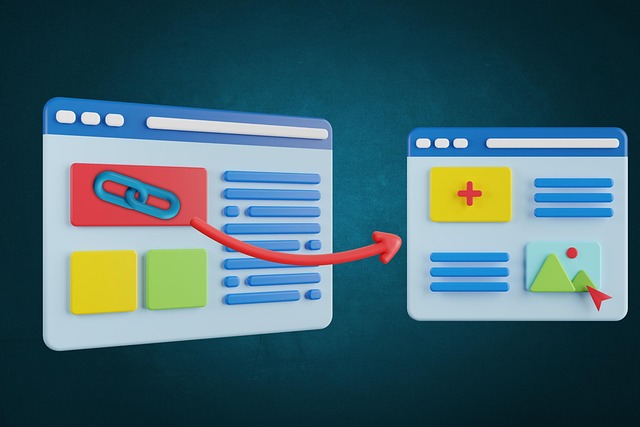
Even with fantastic content and impeccable code, your website can falter if it lacks credibility. Credibility, in the SEO context, refers to the trustworthiness and authority your website and its content possess in the eyes of both users and search engines. This is often built through external signals and your website’s overall reputation.
Backlinks: The Foundation of Authority
Backlinks are links from other websites to yours. They are often referred to as “votes of confidence” from one site to another. The more high-quality, relevant websites that link to yours, the more authority search engines will attribute to your site.
Quality Over Quantity
It’s not just about the number of backlinks; it’s about the quality of the linking websites. A link from a reputable, authoritative website in your niche is far more valuable than dozens of links from obscure or spammy sites.
Relevance of Linking Sites
Links from websites that are thematically related to yours carry more weight. A link from a cooking blog to a recipe website is more valuable than a link from a tech news site (unless there’s a very specific culinary tech angle).
Natural Link Building
Search engines want to see that your backlinks have been acquired naturally. This means earning links through creating great content that others want to share, building relationships with other website owners, and participating in your online community. Avoid PBNs (Private Blog Networks), paid link schemes, and other manipulative tactics.
Anchor Text Diversity
The anchor text is the clickable text of a link. While using relevant keywords in anchor text can be beneficial, an overly optimized or repetitive anchor text profile can look unnatural and raise red flags. Aim for a diverse range of anchor texts, including branded terms, partial matches, and generic phrases.
Brand Mentions and Online Reputation
Your brand’s reputation extends beyond just backlinks. How your brand is perceived online, even without a direct link, can influence your SEO.
Brand Search Volume
When users actively search for your brand name, it signals to search engines that your brand is recognized and has a following.
Social Signals
While not a direct ranking factor, social shares, mentions, and engagement can contribute to content visibility and can indirectly influence your SEO by driving traffic and potentially leading to backlinks.
Online Reviews and Testimonials
Positive reviews on platforms like Google My Business, Yelp, or industry-specific directories build trust and can influence local search rankings.
Press Mentions and Media Coverage
Being featured in reputable news outlets or industry publications can significantly boost your credibility.
User Experience Signals
Search engines increasingly use user behavior on your site as a signal of its quality and relevance. While not directly a “credibility” factor in the same way as backlinks, a poor user experience can erode trust and ultimately hurt your rankings.
Bounce Rate
A high bounce rate (users leaving your site after viewing only one page) can indicate that users aren’t finding what they expected or that the site is not engaging.
Dwell Time
Dwell time refers to how long a user spends on your page. Longer dwell times generally suggest that users are finding your content valuable and engaging.
Click-Through Rate (CTR)
CTR from SERPs to your website is an indicator of how compelling your title and meta description are. A higher CTR suggests your listing is relevant and appealing to searchers.
Website Authority and Trustworthiness
Ultimately, all these factors contribute to your website’s overall authority and trustworthiness. Search engines are designed to direct users to reliable and valuable resources. By focusing on the 3 C’s – Content, Code, and Credibility – you are actively building that trust and demonstrating your value. If you’re using AI tools to help with any of these three pillars, it’s worth reading up on whether ChatGPT can do SEO so you know where it genuinely helps and where it falls short.
By understanding and diligently working on these three core pillars – Content, Code, and Credibility – you lay a robust foundation for your website’s success in the ever-evolving landscape of search engine optimization. It’s a continuous process of refinement, adaptation, and a genuine commitment to providing value to your audience.