

Small Business PPC Company – Hiring help for your ads can feel like a big step. You might wonder, “What happens after I sign up? What will they need from me? How will I know it’s working?” These are smart questions. This guide walks you through what it’s really like to team up with a small business PPC company, from the first meeting to the monthly report. That way, you’ll know exactly what to expect.
A Quick Refresher: What Is PPC?
PPC means “pay-per-click.” You pay only when someone clicks your ad. The most common PPC ads show up at the top of Google Search, marked “Sponsored.” They reach people at the moment they’re looking for what you sell, like “furnace repair” or “birthday cakes near me.”
Small business owners like what search ads can do. In a LocaliQ survey of more than 300 small businesses, search advertising ranked among the tactics owners were happiest with. But getting good results takes time, skill, and steady attention. That’s where a PPC company comes in.
PPC Company, Freelancer, or Do It Yourself?
Before we dive in, it helps to know your three main choices:
- Do it yourself: Costs the least in fees, but takes the most of your time. Best if you enjoy learning and have hours to spare each week.
- Freelancer: One person manages your ads. This can work well, but if they get sick or busy, your ads may wait.
- PPC company: A team manages your ads. You often get more skills, backup when someone is away, and help with things like landing pages and tracking.
There’s no single right answer. It depends on your time, budget, and goals. If you’re still learning how PPC works, our guide to PPC management for small business is a great place to start.
What Happens After You Hire a Small Business PPC Company
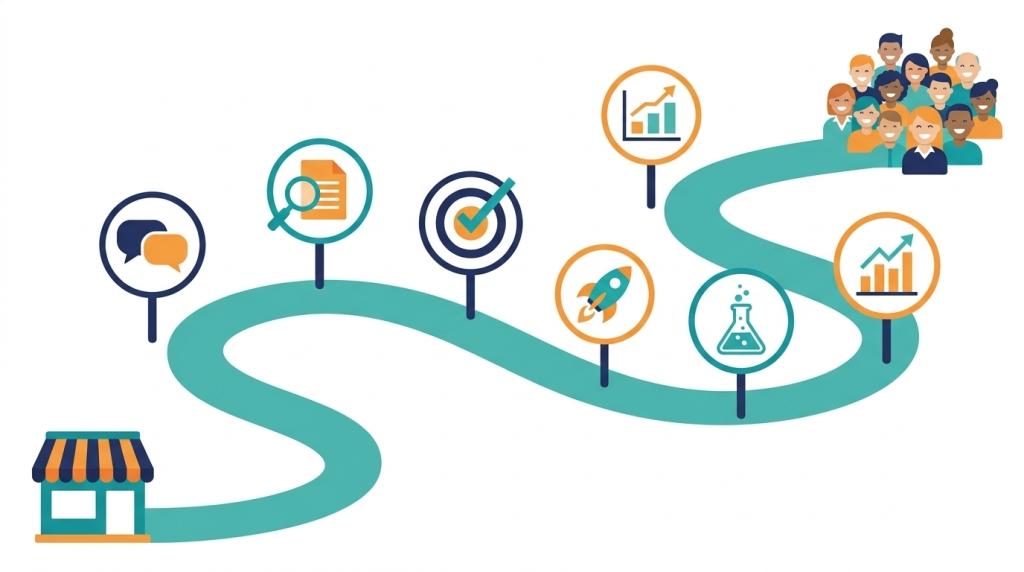
Every company works a little differently. But most follow a path like this one.
Step 1: The getting-to-know-you meeting
Your PPC team will ask lots of questions. Who are your best customers? Which services make you the most money? What areas do you serve? What makes you different from competitors? The better your answers, the better your ads will be.
Step 2: The account check-up
If you already run ads, the team will look at your account. They’ll find keywords that waste money, missing settings, and broken tracking. If you’re brand new, they’ll build your account from scratch.
Step 3: Setting up tracking
This is one of the most important steps. Your PPC company sets up conversion tracking so you can see which ads bring calls, form fills, and sales. Today’s ad platforms use artificial intelligence (AI) to decide where your ads show and how much to bid. That AI learns from your tracking. If tracking is wrong, the AI learns the wrong lessons.
Step 4: Building and launching campaigns
Next comes keyword research, ad writing, and choosing the right landing pages. A good team will often use “phrase match” and “exact match” keywords at first so your ads don’t show for searches that don’t fit.
Step 5: Testing and learning
The first few weeks are about learning. Your team will test different ads and keywords to see what works. Results may go up and down at first. That’s normal, so try to be patient.
Step 6: Ongoing care and reports
Once things are running, your PPC company keeps improving them. They cut keywords that don’t bring customers, add “negative keywords” to block bad searches, and put more money into what works. You’ll usually get regular reports showing your results.
What Your PPC Company Will Need From You
A small business PPC company works best as a team effort. Here’s how you can help:
- Access to your accounts. This includes Google Ads, your website, and Google Analytics. Always keep ownership of your own accounts.
- Your best offers. Tell them about sales, seasonal deals, and services you want to push.
- Real photos. Pictures of your team, your work, and your shop make ads feel honest and local.
- Your customer reviews. The words happy customers use often make great ad copy.
- Lead feedback. Let them know which calls turned into paying jobs. This helps them focus on the right customers.
Why Expert Help Matters More in 2026
Ad platforms are changing quickly. Google’s Performance Max and AI Max tools now make many choices for you. In May 2026, Google introduced new ad formats inside its AI Mode search, which were being tested in the US. Meta made its AI ad tool, Advantage+, the default for new campaigns on Facebook and Instagram. And OpenAI opened a self-serve Ads Manager so US businesses could buy ads inside ChatGPT.
These AI tools can help, but they need careful setup. Small budgets make this even more important. A business spending $2,000 a month gives the AI far less data to learn from than one spending $50,000. So every setting and every dollar matters. A good PPC company knows how to give the AI the right information and keeps an eye on new tools before spending your money on them.
How to Tell If Your PPC Company Is Doing a Good Job
Many owners are watching their budgets closely this year, and experts expect businesses to focus on ads they can measure. So keep your eye on the numbers that matter:
- Leads and sales: Are you getting more calls, forms, or orders?
- Cost per lead: How much does each new lead cost? Is it going down over time?
- Clear reports: Can you understand your report without a dictionary?
- Good communication: Do they answer questions and explain changes?
One helpful sign of skill is a Google Partner badge. Google gives this badge to companies that meet its requirements. You can learn more on the Google Partners program page. A badge isn’t everything, but it shows the company knows Google Ads well.
For a full list of questions to ask before you sign, check out our guide on choosing a small business PPC agency.
PPC Is One Piece of the Puzzle
Paid ads work best when the rest of your online presence is strong. A complete Google Business Profile, fresh customer reviews, and a clear website all help people trust you when they see your ad. Reviews matter more than ever. One 2026 study by Insites found that businesses recommended by AI tools had about 133 Google reviews on average, while businesses the AI ignored had about 11.
That’s why many owners pair PPC with a complete plan for search engine marketing for small business. It helps you show up in both paid ads and free search results.
Frequently Asked Questions
How long before a small business PPC company gets results?
Ads can start getting clicks within days. But it usually takes a few weeks of testing before results settle and costs improve.
Do I still own my ad account?
You should. Always make sure your Google Ads account is in your business’s name, so your data stays with you no matter what.
Final Thoughts
Working with a small business PPC company doesn’t have to be a mystery. Expect a getting-to-know-you meeting, careful setup, a few weeks of testing, and steady improvements after that. Share what you know, keep an eye on real results, and stay in touch. With the right team on your side, your ads can bring in more customers while you focus on running your business.