
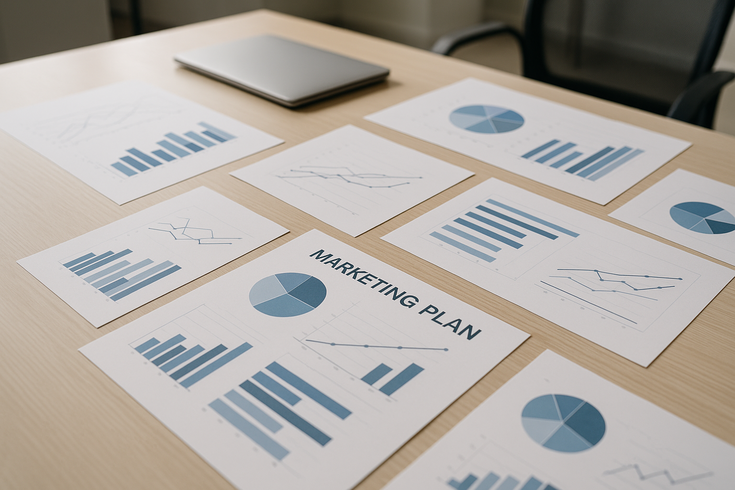
Full Marketing Plan Example PDF – Creating a comprehensive marketing plan is essential for business success, whether you’re launching a startup, managing a small business, or working on a student project. A full marketing plan example in print-friendly format provides a structured framework that guides your marketing efforts and helps you achieve your business goals systematically.
This guide explores complete marketing plan templates suitable for various industries and business sizes. You’ll discover how to structure each section, what content to include, and how to adapt these examples to your specific needs. Whether you’re looking for a marketing plan sample for small business print-friendly format or a sample marketing plan for students print-friendly format, this comprehensive resource covers all essential components.
What Makes a Complete Marketing Plan print-friendly format
This template serves as a roadmap for your marketing activities, outlining strategies, tactics, and measurable objectives. Understanding what constitutes a complete plan helps ensure you don’t overlook critical elements that could impact your success.
Essential Components of a Full Marketing Plan
Every comprehensive marketing plan contains several fundamental sections that work together to create a cohesive strategy. The executive summary provides a high-level overview of your entire plan, making it easy for stakeholders to understand your vision quickly. This section typically includes your mission statement, key objectives, and primary strategies.
The situation analysis forms the foundation of your marketing plan by examining internal and external factors affecting your business. This includes a SWOT analysis (Strengths, Weaknesses, Opportunities, Threats), market research findings, and an assessment of your current market position. Your target market definition clearly identifies your ideal customers, including demographic information, psychographic profiles, and buying behaviors.
Marketing objectives should be specific, measurable, achievable, relevant, and time-bound (SMART). These objectives guide all subsequent marketing activities and provide benchmarks for measuring success. Your marketing strategies outline the broad approaches you’ll use to achieve these objectives, while tactics detail the specific actions you’ll implement.
The marketing mix section covers the four Ps: Product, Price, Place, and Promotion. This framework ensures you consider all aspects of bringing your product or service to market effectively. Your budget allocation demonstrates how financial resources will be distributed across different marketing activities, while the implementation timeline provides a clear schedule for executing your strategies.
Industry-Specific Requirements
Different industries require unique considerations in their marketing plans. A restaurant marketing plan sample print-friendly format, for instance, emphasizes local marketing strategies, seasonal promotions, and customer experience initiatives. Food service businesses must address health and safety messaging, menu presentation, and community engagement tactics.
Technology companies need marketing plans that focus on innovation messaging, thought leadership content, and digital-first strategies. Their plans often include detailed sections on content marketing, search engine optimization, and lead generation through technical demonstrations or free trials.
Retail businesses require marketing plans that balance online and offline strategies, inventory promotion cycles, and seasonal campaign planning. These plans typically include detailed visual merchandising strategies, loyalty program development, and omnichannel customer experience initiatives.
Service-based businesses emphasize relationship building, referral programs, and reputation management in their marketing plans. These plans often include comprehensive customer testimonial strategies, partnership development initiatives, and professional networking tactics.
Executive Summary Examples
The executive summary serves as the gateway to your document, providing readers with a compelling overview that encourages them to explore the entire thing. This section should capture the essence of your marketing strategy while remaining concise and engaging.
Small Business Executive Summary Template
A small business executive summary focuses on practical, achievable goals that align with limited resources and specific market opportunities. Begin with a clear statement of your business purpose and the primary challenge your marketing plan addresses. For example, a local bakery might state: “This marketing plan outlines strategies to increase customer base by 30% and establish our brand as the premier artisan bakery in the downtown district.”
Include a brief overview of your target market, highlighting key demographics and psychographics that drive your marketing decisions. Summarize your unique value proposition and competitive advantages that differentiate your business from others in your market. Present your primary marketing objectives using specific metrics and timeframes.
Outline your core marketing strategies without going into tactical details. Focus on the broad approaches that will guide your efforts, such as content marketing, local partnerships, or customer loyalty programs. Conclude with a summary of expected outcomes and the resources required to implement your plan successfully.
Corporate Marketing Plan Summary Sample
Corporate executive summaries require a more formal tone and comprehensive scope, addressing multiple stakeholders and larger-scale objectives. Start with a strategic overview that connects marketing initiatives to broader corporate goals and shareholder value creation.
Present market opportunity analysis that demonstrates thorough research and understanding of industry trends, competitive landscapes, and growth potential. Include high-level financial projections that show expected return on marketing investment and contribution to revenue growth.
Summarize multi-channel marketing strategies that leverage corporate resources and brand equity. Address how marketing efforts will support product launches, market expansion, and customer retention across different business units or geographic regions. Include key performance indicators that will measure success at both tactical and strategic levels.
Market Analysis Templates
A thorough market analysis provides the data-driven foundation for all marketing decisions in this template. This section demonstrates your understanding of the business environment and validates your strategic choices.
Target Audience Analysis Framework
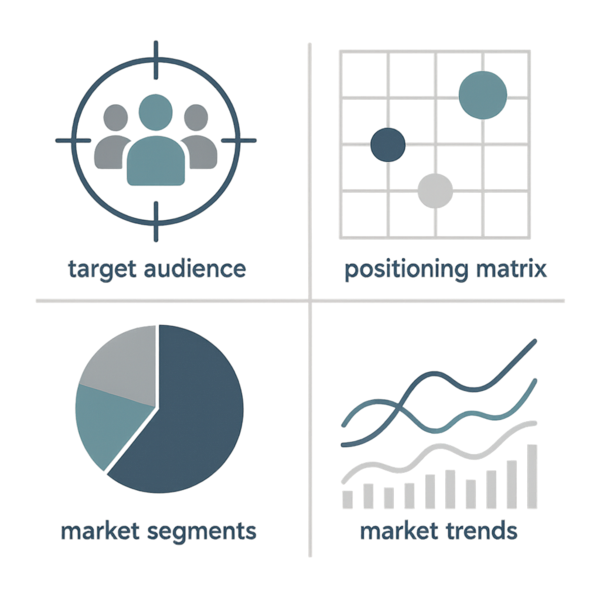
Developing detailed buyer personas helps ensure your marketing messages resonate with the right people. Start by segmenting your market based on relevant criteria such as demographics, behaviors, needs, and preferences. Create comprehensive profiles for each primary customer segment, including age ranges, income levels, education, occupation, and lifestyle factors.
Analyze customer pain points and motivations that drive purchasing decisions. Understanding these psychological factors helps you craft compelling value propositions and marketing messages. Map the customer journey for each persona, identifying touchpoints where marketing interventions can influence decisions.
Include research on media consumption habits, preferred communication channels, and content preferences for each target segment. This information guides channel selection and content strategy development. Consider seasonal variations in customer behavior and how external factors like economic conditions or cultural events might influence purchasing patterns.
Competitive Analysis Examples
A comprehensive competitive analysis examines both direct and indirect competitors to identify market opportunities and threats. Create a competitive matrix that compares key factors such as pricing, product features, market share, marketing strategies, and brand positioning.
Analyze competitor marketing tactics, including their messaging, channel usage, and campaign themes. Identify gaps in their strategies that your business can exploit. Examine their online presence, content quality, and customer engagement levels to benchmark your own efforts.
Study competitor strengths and weaknesses to inform your differentiation strategy. Look for underserved market segments or unmet customer needs that competitors have overlooked. Monitor competitor pricing strategies and promotional patterns to ensure your offerings remain competitive while maintaining profitability.
Marketing Strategies Section
The strategies section of your document translates insights from your analysis into actionable approaches. This is where you’ll create a comprehensive marketing plan that aligns tactics with objectives.
Digital Marketing Strategy Examples
Digital marketing strategies form the backbone of modern marketing plans, offering measurable results and targeted reach. Content marketing strategy should outline your approach to creating valuable, relevant content that attracts and retains your target audience. Define content themes, formats, and distribution channels that align with customer preferences and business objectives.
Search engine optimization (SEO) strategy details how you’ll improve organic visibility for relevant keywords. Include on-page optimization tactics, content creation plans, and link-building initiatives. Specify target keywords based on search volume, competition, and relevance to your business.
Social media strategy encompasses platform selection, content calendars, engagement tactics, and community building initiatives. Define your brand voice and visual identity across platforms. Include plans for both organic content and paid social advertising, with specific objectives for follower growth, engagement rates, and conversion metrics.
Email marketing strategy outlines list building tactics, segmentation approaches, and campaign types. Design automation workflows for different customer lifecycle stages, from welcome series to re-engagement campaigns. Include personalization strategies and testing plans to optimize performance.
Traditional Marketing Approach Samples
Traditional marketing channels remain valuable for reaching specific audiences and building brand awareness. Print advertising strategy should identify relevant publications, ad formats, and messaging approaches. Consider how print materials can drive traffic to digital properties through QR codes or promotional URLs.
Event marketing plans detail participation in trade shows, conferences, or community events. Include objectives for lead generation, brand exposure, and relationship building. Design pre-event promotion, on-site engagement tactics, and post-event follow-up procedures.
Direct mail campaigns can effectively target local markets or specific customer segments. Develop creative concepts that stand out in mailboxes while maintaining brand consistency. Include response mechanisms that track campaign effectiveness and generate measurable results.
Public relations strategies focus on earned media opportunities, thought leadership positioning, and community relationships. Identify newsworthy angles for your business, develop media lists, and create press release templates. Plan for crisis communication scenarios and reputation management protocols.
Budget Planning Templates

Effective budget planning ensures your marketing investments generate positive returns while maintaining financial sustainability. A well-structured budget section in your template demonstrates fiscal responsibility and strategic resource allocation.
Marketing Budget Allocation Examples
Begin by establishing your total marketing budget as a percentage of projected revenue or based on available resources. Industry benchmarks suggest marketing budgets typically range from 5-15% of gross revenue, depending on business stage and growth objectives.
Allocate budget across marketing channels based on expected return on investment and strategic priorities. Digital marketing often receives 40-60% of total budget due to its measurability and targeting capabilities. Within digital, distribute funds among paid search, social media advertising, content creation, and marketing technology tools.
Traditional marketing allocation depends on your industry and target audience. B2B companies might invest more in trade publications and events, while local businesses focus on community sponsorships and local advertising. Reserve 10-15% of your budget for testing new channels and tactics.
Include contingency funds for unexpected opportunities or necessary adjustments. Plan for seasonal fluctuations in spending, with higher allocations during peak business periods. Consider multi-year budget projections that show how marketing investment will scale with business growth.
ROI Tracking Templates
Develop comprehensive tracking systems to measure marketing return on investment across all channels and campaigns. Create attribution models that connect marketing activities to revenue generation, considering both first-touch and multi-touch attribution approaches.
Establish key performance indicators (KPIs) for each marketing channel, including cost per acquisition, lifetime customer value, and return on ad spend. Design dashboards that visualize performance data and highlight trends or anomalies requiring attention.
Implement tracking mechanisms for offline marketing activities, such as unique phone numbers, promotional codes, or landing pages. Regular reporting schedules ensure timely optimization of underperforming campaigns and reallocation of resources to successful initiatives.
Calculate marketing efficiency ratios that compare revenue generated to marketing spend across different time periods. Track year-over-year improvements in marketing productivity and identify factors contributing to performance changes.
Implementation Timeline Examples
A detailed implementation timeline transforms your marketing strategies into executable actions with clear deadlines and responsibilities. This section of your marketing plan sample print-friendly format ensures coordinated execution across all marketing activities.
90-Day Marketing Plan Timeline
The first 90 days of your marketing plan implementation focus on foundation building and quick wins. Week 1-2 involves finalizing marketing assets, setting up tracking systems, and briefing team members on their roles and responsibilities. Establish baseline metrics for all KPIs to measure future progress.
Weeks 3-4 launch priority campaigns that can generate immediate results, such as email marketing to existing customers or paid search campaigns for high-intent keywords. Begin content production for longer-term initiatives while monitoring early campaign performance.
Months 2-3 expand marketing activities based on initial learnings and performance data. Scale successful campaigns, test new channels or messaging variations, and refine targeting parameters. Implement systematic testing procedures to continuously improve results.
Include specific milestones for each marketing initiative, with clear deliverables and success criteria. Regular check-in points ensure projects stay on track and allow for timely adjustments based on market feedback or resource constraints.
Annual Marketing Calendar Template
An annual marketing calendar provides a comprehensive view of all planned marketing activities throughout the year. Map major campaigns to business cycles, seasonal trends, and industry events. Include product launches, promotional periods, and content themes for each month.
Coordinate marketing activities across channels to maximize impact and maintain consistent messaging. Plan integrated campaigns that leverage multiple touchpoints to guide customers through the purchase journey. Schedule regular campaign reviews and optimization periods.
Account for industry-specific considerations such as trade show schedules, holiday shopping seasons, or regulatory deadlines. Build flexibility into your calendar to accommodate unexpected opportunities or market changes. Include buffer time for creative development and approval processes.
Design recurring activities such as monthly newsletters, quarterly business reviews, or annual customer surveys. Establish content production schedules that ensure steady output without overwhelming resources. Plan for team training and development activities that enhance marketing capabilities.
Industry-Specific Marketing Plan Examples
Different industries require tailored approaches to marketing planning. These examples demonstrate how to adapt the framework to specific business contexts while maintaining comprehensive coverage of essential elements.
Restaurant Marketing Plan Sample
Restaurant marketing plans emphasize local market penetration, customer experience optimization, and repeat business generation. Location-based marketing strategies target nearby residents and workers through local SEO, neighborhood partnerships, and community event participation.
Menu marketing requires professional photography, detailed descriptions, and strategic pricing presentation. Seasonal menu updates create marketing opportunities while managing food costs. Online ordering and delivery platform optimization have become essential components of restaurant marketing.
Customer loyalty programs for restaurants focus on frequency rewards and special occasion recognition. Email and SMS marketing deliver timely promotions and event announcements. Social media showcases daily specials, behind-the-scenes content, and user-generated reviews.
Reputation management plays a crucial role in restaurant marketing, with strategies for encouraging positive reviews and addressing negative feedback professionally. Local influencer partnerships and food blogger relationships generate authentic content and word-of-mouth recommendations.
Tech Startup Marketing Plan Example
Technology startup marketing plans prioritize rapid growth, market education, and competitive differentiation. Content marketing establishes thought leadership through technical blogs, whitepapers, and webinars that demonstrate expertise and product capabilities.
Product-led growth strategies offer free trials, freemium models, or interactive demos that showcase value before purchase. Developer relations and API marketing target technical audiences through documentation, community forums, and hackathon sponsorships.
Growth hacking tactics test unconventional acquisition channels and viral mechanisms. A/B testing culture permeates all marketing activities, from landing page optimization to email subject lines. Data analytics drive decision-making and resource allocation.
Partnership marketing leverages integration opportunities, co-marketing agreements, and technology ecosystems. Startup marketing plans include investor relations components and milestone-based communications strategies. International expansion considerations address localization and market entry strategies.
Retail Business Marketing Plan Template
Retail marketing plans balance online and offline strategies to create seamless shopping experiences. Omnichannel integration ensures consistent branding and coordinated promotions across physical stores, e-commerce platforms, and mobile apps.
Inventory-driven promotions align marketing campaigns with stock levels and seasonal merchandise transitions. Visual merchandising strategies extend beyond physical displays to include website design, social media aesthetics, and email templates.
Customer data integration enables personalized marketing based on purchase history, browsing behavior, and demographic information. Loyalty programs for retail businesses often include tiered benefits, exclusive access, and birthday rewards.
Local store marketing empowers individual locations to engage their communities while maintaining brand standards. Pop-up shops and experiential marketing events create buzz and attract new customers. Influencer partnerships and user-generated content campaigns build social proof and expand reach.
Conclusion
A comprehensive full marketing plan example print-friendly format provides the structure and guidance needed to develop effective marketing strategies for any business type or size. By following these templates and customizing them to your specific situation, you create a roadmap for marketing success that aligns with your business objectives and resources.
Remember that marketing plans are living documents that require regular updates based on performance data and market changes. Start with the sections most relevant to your immediate needs, then expand your plan as your business grows and your marketing sophistication increases.
Whether you’re creating a sample marketing plan for a new product print-friendly format or developing a comprehensive strategy for an established business, these examples and templates provide the foundation for marketing excellence. Take action today by selecting the most appropriate template for your situation and beginning the planning process that will drive your business forward.
For additional resources and support in developing your marketing plan, visit the Marketing and sales | U.S. Small Business Administration website, which offers free tools and guidance for small business marketing success.