

Marketing Plan Sample PDF – Creating a solid marketing plan is essential for any business looking to grow and succeed. Whether you’re a startup founder, small business owner, or student learning the ropes, having access to quality marketing plan sample PDFs can make all the difference in developing your strategy. This comprehensive guide will walk you through everything you need to know about finding, choosing, and implementing the right marketing plan template for your needs.
A well-crafted marketing plan serves as your roadmap to reaching customers, building brand awareness, and achieving your business goals. While creating one from scratch can be daunting, using a marketing plan sample print-friendly format as your starting point provides structure and ensures you don’t miss critical elements. From simple one-page overviews to comprehensive marketing plan examples, there’s a template suited for every business type and industry.
What Makes an Effective Marketing Plan Sample print-friendly format
An effective template goes beyond just providing blank fields to fill in. It should guide you through the strategic thinking process while offering flexibility to adapt to your unique business situation. The best templates balance comprehensiveness with usability, ensuring you can create a practical document that actually drives results.
Key Components Every Marketing Plan Must Include
A quality template should contain several essential sections that work together to create a cohesive strategy. The executive summary provides a high-level overview of your entire plan, making it easy for stakeholders to understand your approach quickly. This section typically appears first but is often written last, after all other components are complete.
The situation analysis forms the foundation of your marketing plan by examining your current market position, competitive landscape, and internal capabilities. This includes conducting a SWOT analysis to identify strengths, weaknesses, opportunities, and threats. This document should provide frameworks for gathering this critical information systematically.
Target audience definition is another crucial component that effective templates emphasize. You need clear customer personas that detail demographics, psychographics, pain points, and buying behaviors. The best marketing plan sample PDFs include worksheets or prompts to help you develop detailed buyer profiles.
Marketing objectives and goals must be specific, measurable, achievable, relevant, and time-bound (SMART). Your template should guide you in setting both short-term and long-term objectives that align with your overall business strategy. These goals might include increasing brand awareness, generating leads, boosting sales, or entering new markets.
Understanding Different Marketing Plan Formats
Marketing plans come in various formats, each suited to different business needs and preferences. Traditional long-form marketing plans provide comprehensive coverage of all strategic elements, often spanning 20-30 pages. These detailed documents work well for established businesses or those seeking funding, as they demonstrate thorough planning and analysis.
Lean marketing plans focus on the essentials, typically fitting on just a few pages. These streamlined documents prioritize action over analysis, making them ideal for startups or businesses in rapidly changing markets. A good lean template emphasizes key strategies and metrics without excessive detail.
One-page marketing plans distill your entire strategy into a single, visual document. These ultra-concise formats force you to identify only the most critical elements of your plan. While they lack detail, they excel at maintaining focus and facilitating quick decision-making.
Types of Marketing Plan Templates Available
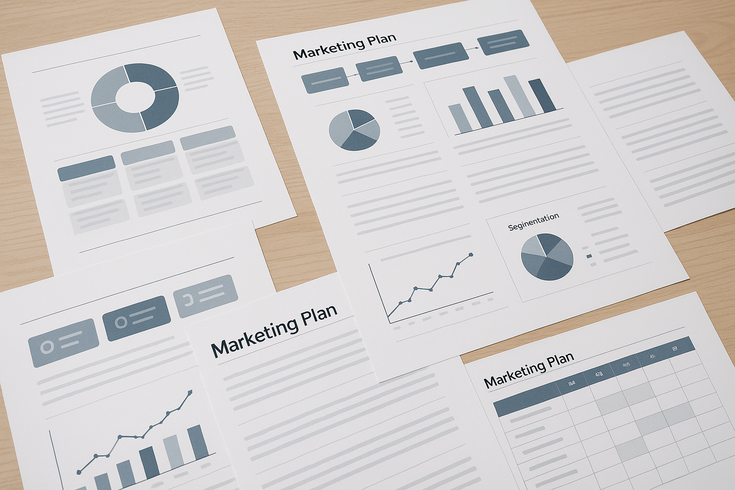
The variety of marketing plan sample PDFs available reflects the diverse needs of different businesses. Understanding these options helps you select the most appropriate template for your specific situation, industry, and goals.
Simple One-Page Marketing Plans
One-page marketing plans have gained popularity for their simplicity and focus. These templates typically use a grid or canvas format to organize key information visually. Common sections include target customers, value propositions, marketing channels, revenue streams, and key metrics.
The beauty of a one-page version lies in its accessibility. Team members can quickly reference the entire strategy without wading through lengthy documents. This format works particularly well for small businesses, solopreneurs, or specific campaign planning where agility matters more than comprehensive documentation.
Despite their brevity, effective one-page templates still cover essential strategic elements. They often use visual hierarchies, color coding, or icons to pack maximum information into minimal space. The constraint of fitting everything on one page forces clarity and prioritization in your marketing thinking.
Comprehensive Marketing Strategy Documents
Comprehensive marketing plan sample PDFs provide extensive frameworks for developing detailed strategies. These templates often include 10-15 major sections, each with multiple subsections addressing specific aspects of your marketing approach. They’re ideal when you need thorough documentation for investors, board members, or large marketing teams.
These detailed templates typically begin with market research sections that guide you through analyzing industry trends, competitive landscapes, and customer insights. They include worksheets for conducting primary research, analyzing secondary data, and synthesizing findings into actionable insights.
The strategy development sections in comprehensive templates cover product positioning, pricing strategies, distribution channels, and promotional tactics in depth. Each area includes prompts, examples, and frameworks to ensure thorough consideration of all options and implications.
Industry-Specific Marketing Plan Examples
Industry-specific marketing plan sample PDFs address the unique challenges and opportunities within particular sectors. A marketing plan for a restaurant differs significantly from one for a software company or consulting firm. These specialized templates include relevant metrics, channels, and strategies specific to your industry.
For retail businesses, templates emphasize location strategy, visual merchandising, seasonal promotions, and inventory management. They include sections on foot traffic analysis, local marketing tactics, and customer loyalty programs that matter most in physical retail environments.
Service industry templates focus on relationship building, referral generation, and demonstrating expertise. They guide you through developing thought leadership content, networking strategies, and client retention programs essential for service-based success.
How to Choose the Right Marketing Plan Template
Selecting the appropriate template requires careful consideration of your business context, resources, and objectives. The right template should challenge you to think strategically while remaining practical and implementable given your constraints.
Assessing Your Business Needs
Start by evaluating your business stage and complexity. Startups and small businesses often benefit from simpler templates that focus on core strategies and quick wins. These businesses need marketing plans that can adapt quickly as they learn more about their market and refine their value proposition.
Consider your team’s marketing expertise when choosing a template. If you’re new to marketing planning, look for marketing plan sample PDFs with extensive guidance, examples, and explanations. More experienced marketers might prefer streamlined templates that provide structure without excessive hand-holding.
Resource availability also influences template selection. If you have limited time and budget for marketing, choose templates that help prioritize high-impact activities. Comprehensive plans make sense when you have dedicated marketing staff and significant budgets to manage.
Matching Templates to Your Industry
Your industry’s characteristics should heavily influence template selection. B2B companies need templates emphasizing long sales cycles, relationship building, and thought leadership. B2C templates should focus more on brand awareness, emotional connections, and volume-based strategies.
Consider your industry’s typical marketing channels when evaluating templates. Digital-first industries need strong sections on online marketing, SEO, and social media. Traditional industries might require more emphasis on trade shows, print advertising, and personal selling.
Regulatory requirements in your industry also matter. Healthcare, financial services, and other regulated industries need marketing plan templates that address compliance considerations and approval processes for marketing materials.
Customization Requirements
No template will perfectly match your business without customization. Evaluate how easily you can modify templates to reflect your unique situation. Look for templates in editable formats that allow you to add, remove, or modify sections as needed.
Consider whether the template’s structure aligns with how you prefer to think about marketing. Some people prefer to start with goals and work backward, while others begin with customer insights and build forward. Choose templates matching your natural planning style for easier adoption.
Assess the template’s scalability for future needs. As your business grows, your marketing plan should evolve too. Select templates that can accommodate increasing complexity without requiring complete overhauls.
Step-by-Step Guide to Using Marketing Plan Templates
Once you’ve selected an appropriate template, following a systematic approach ensures you create a valuable strategic document. This process requires gathering information, making strategic decisions, and creating your marketing plan step by step with careful consideration at each stage.
Gathering Essential Business Information
Before filling out any template, compile the foundational information about your business. This includes your mission statement, core values, unique selling propositions, and business objectives. Having these elements clear ensures your marketing plan aligns with your overall business strategy.
Collect historical performance data if available. Past marketing efforts, sales figures, customer acquisition costs, and conversion rates provide baselines for setting realistic goals. Even new businesses should gather any available data from pilot programs or market tests.
Document your current marketing assets and resources. This includes your team’s skills, budget allocations, existing marketing materials, digital properties, and any partnerships or relationships that could support marketing efforts. Understanding what you have helps identify gaps the plan must address.
Setting Marketing Goals and Objectives
Effective marketing goals connect directly to business objectives while remaining specific and measurable. Start by translating business goals into marketing outcomes. If your business aims to increase revenue by 25%, determine what marketing metrics must improve to support that growth.
Break down annual goals into quarterly or monthly milestones. This creates accountability and allows for course corrections throughout the year. Your document should include templates for tracking these milestones and measuring progress.
Consider both leading and lagging indicators in your goal setting. While sales and revenue are important lagging indicators, leading indicators like website traffic, lead generation, and engagement rates help predict future performance and enable proactive adjustments.
Defining Your Target Audience
Deep customer understanding forms the foundation of effective marketing. Use your template’s audience definition sections to create detailed buyer personas going beyond basic demographics. Include psychographic information like values, interests, challenges, and aspirations that drive purchasing decisions.
Map your customer journey from awareness through purchase and beyond. Identify touchpoints where marketing can influence decisions and the types of information customers need at each stage. This mapping ensures your marketing plan addresses the entire customer lifecycle.
Segment your audience based on meaningful differences in needs, behaviors, or value to your business. Different segments may require distinct marketing approaches, messages, and channels. Your marketing plan should acknowledge these differences and tailor strategies accordingly.
Creating Your Marketing Strategy
With goals set and audiences defined, develop strategies for reaching and engaging your target customers. Your marketing mix should balance various channels and tactics based on where your audience spends time and how they prefer to receive information.
Content strategy often forms a core component of modern marketing plans. Define the types of content you’ll create, topics you’ll cover, and formats you’ll use. Consider how content can support customers throughout their journey while establishing your expertise and building trust.
Channel selection should reflect both audience preferences and your resource constraints. Rather than trying to be everywhere, focus on excelling in a few key channels. Your template should help evaluate channel options based on reach, cost, and alignment with your capabilities.
Industry-Specific Marketing Plan Examples
Different industries face unique marketing challenges requiring tailored approaches. Understanding these industry-specific considerations helps you adapt generic marketing plan sample PDFs to your particular context and competitive environment.
Marketing Plans for Service Businesses
Service businesses face the challenge of marketing intangible offerings. Your marketing plan must focus on building trust, demonstrating expertise, and showcasing results. Client testimonials, case studies, and portfolio examples become crucial marketing assets that tangibly represent your capabilities.
Relationship marketing takes precedence in service industries where referrals often drive new business. Your plan should detail strategies for nurturing existing client relationships, encouraging referrals, and maintaining visibility within professional networks. This might include regular check-ins, value-added communications, and strategic partnership development.
Thought leadership helps service businesses stand out in crowded markets. Develop content strategies that showcase your unique perspectives and expertise. This could include blogging, speaking engagements, webinars, or contributing articles to industry publications. Your marketing plan should outline topics, formats, and distribution strategies for thought leadership content.
Retail and E-commerce Marketing Templates
Retail marketing plans must address both attracting customers and optimizing the shopping experience. For physical retailers, this includes store layout, visual merchandising, and local marketing tactics. Location-based strategies, community involvement, and foot traffic drivers deserve significant attention in your plan.
E-commerce businesses need strong digital marketing strategies encompassing SEO, paid advertising, email marketing, and social commerce. Your marketing plan should detail how you’ll drive traffic, convert visitors, and encourage repeat purchases. Consider the entire online customer journey from discovery through post-purchase engagement.
Inventory and promotional planning intersect with marketing in retail environments. Your marketing plan should coordinate with buying cycles, seasonal trends, and inventory levels. Detail how you’ll promote new arrivals, clear slow-moving inventory, and capitalize on peak selling seasons.
B2B Marketing Plan Samples
B2B marketing plans must account for longer sales cycles and multiple decision-makers. Your strategy should address how to engage various stakeholders throughout the buying process, from technical evaluators to financial decision-makers. Content and messaging must speak to different priorities and concerns.
Lead generation and nurturing form critical components of B2B marketing plans. Detail your strategies for attracting qualified leads through content marketing, trade shows, webinars, and other channels. Equally important is your lead nurturing strategy to maintain engagement throughout extended sales cycles.
Account-based marketing (ABM) strategies may feature prominently in B2B plans targeting enterprise customers. This requires identifying key accounts, understanding their specific needs, and creating customized marketing approaches. Your marketing plan should outline criteria for selecting ABM targets and strategies for personalized engagement.
Common Mistakes to Avoid When Using Templates

While marketing plan sample PDFs provide valuable structure, certain pitfalls can undermine their effectiveness. Awareness of these common mistakes helps you create more practical and impactful marketing plans that drive real business results.
Over-Complicating Your Marketing Plan
The availability of comprehensive templates can tempt you to create overly complex plans. Remember that the best marketing plan is one that gets implemented, not the one with the most sections. Focus on strategies you can realistically execute given your resources and capabilities.
Avoid getting lost in analysis paralysis. While market research and competitive analysis are important, spending months perfecting these sections delays actual marketing implementation. Set reasonable timeframes for research and planning phases, then move into action even with imperfect information.
Keep your language clear and actionable. Marketing plans filled with jargon and abstract concepts fail to provide clear direction for implementation. Each strategy and tactic should translate into specific actions someone can take tomorrow.
Failing to Customize for Your Business
Generic templates require significant customization to reflect your unique business situation. Simply filling in blanks without adapting the structure, emphasis, and content to your context creates a document that looks complete but lacks strategic value.
Industry-specific challenges and opportunities must influence your plan’s focus. A template designed for B2B software companies needs major modifications for a local restaurant. Take time to add sections addressing your specific needs and remove irrelevant components.
Your company culture and brand personality should shine through in your marketing plan. Templates provide structure, but your unique voice, values, and approach to business should infuse every section. This ensures alignment between planning documents and actual marketing execution.
Ignoring Measurable Goals
Vague objectives like “increase brand awareness” or “improve customer satisfaction” make it impossible to measure marketing success. Every goal in your marketing plan needs specific metrics, targets, and timeframes that enable objective performance assessment.
Build measurement strategies into your plan from the beginning. For each tactic, identify what metrics indicate success and how you’ll track them. This might require setting up analytics tools, creating tracking spreadsheets, or establishing regular reporting processes.
Connect marketing metrics to business outcomes. While tracking followers or website visits provides useful data, these metrics must link to meaningful business results like lead generation, sales, or customer retention. Your marketing plan should make these connections explicit.
Tips for Implementing Your Marketing Plan
Creating a marketing plan represents just the beginning. Successful implementation requires translating strategic intent into daily activities, maintaining momentum over time, and adapting based on results. These implementation tips help ensure your carefully crafted plan drives actual business growth.
Creating an Action Timeline
Transform your marketing strategies into specific tasks with deadlines. Break down major initiatives into smaller, manageable steps that can be completed incrementally. This makes large projects less overwhelming and creates regular opportunities to celebrate progress.
Develop a marketing calendar that visualizes all planned activities across time. Include campaigns, content publishing schedules, events, and other marketing activities. This bird’s-eye view helps identify conflicts, ensure consistent market presence, and coordinate cross-functional efforts.
Build in buffer time for unexpected opportunities and challenges. Marketing often requires responding to competitor moves, industry trends, or viral moments. Your timeline should maintain enough flexibility to capitalize on these situations without derailing planned activities.
Assigning Responsibilities
Clear ownership drives accountability and ensures nothing falls through cracks. Assign specific team members to each marketing initiative, even if you’re a solo entrepreneur wearing multiple hats. This creates clarity about who handles what and when.
Define decision-making authority for different aspects of marketing execution. Who approves creative work? Who can adjust campaign budgets? Who responds to customer feedback on social media? Clear delegation prevents bottlenecks and empowers team members to act decisively.
Consider outsourcing specialized tasks to freelancers or agencies when internal expertise is lacking. Your implementation plan should identify areas where external support makes sense and budget accordingly. Having reliable partners lined up prevents delays when specialized skills are needed.
Tracking and Measuring Success
Establish regular review rhythms to assess marketing performance against plan objectives. Monthly reviews might focus on tactical execution and short-term metrics, while quarterly reviews examine strategic progress and needed adjustments. Consistency in these reviews ensures continuous improvement.
Create dashboards or reports that make performance visible to all stakeholders. When everyone can see progress toward goals, it maintains motivation and enables collaborative problem-solving when metrics fall short. Keep these reports simple and focused on key performance indicators.
Document lessons learned throughout implementation to improve future planning. What strategies exceeded expectations? Which tactics underperformed? What unexpected challenges arose? This institutional knowledge makes each subsequent marketing plan more effective and realistic.
Marketing plan sample PDFs provide invaluable structure for developing effective marketing strategies, but success ultimately depends on thoughtful customization and diligent implementation. By understanding different template options, carefully selecting the right format for your needs, and following systematic planning processes, you can create marketing plans that drive meaningful business results. Remember that the best marketing plan is one that gets executed, so prioritize clarity, practicality, and measurability in your planning efforts. Whether you’re a student learning the fundamentals, a small business owner bootstrapping growth, or a marketing professional seeking better frameworks, the right marketing plan sample print-friendly format can accelerate your path to success.