

Marketing Planning Process Example – Creating an effective marketing plan requires a structured approach that transforms business goals into actionable strategies. A well-defined marketing planning process example serves as a roadmap for organizations to navigate complex market conditions, allocate resources efficiently, and achieve measurable results. This comprehensive guide walks you through each critical phase of marketing planning, providing real-world examples and practical frameworks you can implement immediately.
Whether you’re launching a startup, managing an established business, or leading a marketing team at an enterprise level, understanding the marketing planning process fundamentals helps ensure your efforts align with broader business objectives while maximizing return on investment.
What Is a Marketing Planning Process?
The marketing planning process represents a systematic approach to developing, implementing, and evaluating marketing strategies that support organizational goals. This structured methodology ensures every marketing activity contributes to measurable business outcomes while optimizing resource allocation and team efforts.
Definition and Key Components
A marketing planning process encompasses the comprehensive framework organizations use to analyze market conditions, define target audiences, establish objectives, develop strategies, and measure results. The core components include market research, competitive analysis, goal setting, strategy formulation, tactical planning, budgeting, implementation schedules, and performance metrics.
Each component plays a crucial role in creating cohesive marketing efforts. Market research provides insights into customer needs and preferences. Competitive analysis reveals market positioning opportunities. Goal setting ensures alignment with business objectives. Strategy formulation determines the overall approach, while tactical planning details specific actions. Budgeting allocates resources effectively, implementation schedules coordinate activities, and performance metrics enable continuous improvement.
Modern marketing planning processes also incorporate digital transformation considerations, including data analytics, marketing automation, customer experience mapping, and omnichannel integration. These elements ensure marketing plans remain relevant in today’s rapidly evolving business landscape.
Why Marketing Planning Matters
Strategic marketing planning delivers numerous benefits that directly impact business performance. Organizations with documented marketing plans typically experience better resource allocation, improved team alignment, clearer communication of priorities, and enhanced ability to respond to market changes.
Marketing planning creates accountability by establishing clear objectives and success metrics. Teams understand their roles and responsibilities, leading to more efficient execution. The process also facilitates better decision-making by providing a framework for evaluating opportunities and challenges against established criteria.
Furthermore, marketing planning helps organizations anticipate and prepare for market shifts. By regularly reviewing and updating plans, businesses maintain agility while pursuing long-term strategic goals. This balance between flexibility and focus proves essential for sustainable growth.
Step-by-Step Marketing Planning Process
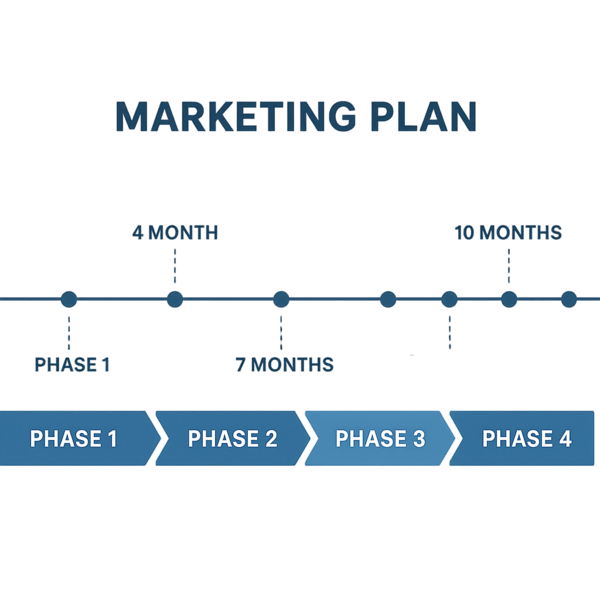
Developing a comprehensive marketing plan requires following a structured process that builds upon each previous phase. This systematic approach ensures thorough analysis, strategic thinking, and practical implementation planning.
Phase 1: Situation Analysis
The situation analysis phase establishes the foundation for all subsequent planning activities. This comprehensive assessment examines internal capabilities, external market conditions, competitive landscape, and customer insights to create a complete picture of the current business environment.
Begin by conducting a SWOT analysis to identify strengths, weaknesses, opportunities, and threats. Internal strengths might include unique products, strong brand reputation, or exceptional customer service. Weaknesses could encompass limited resources, outdated technology, or skills gaps. External opportunities often involve emerging markets, changing consumer preferences, or new technologies. Threats typically include competitive pressures, economic conditions, or regulatory changes.
Market analysis forms another crucial component of situation analysis. Examine market size, growth trends, customer segments, and buying behaviors. Analyze demographic shifts, psychographic patterns, and technological adoption rates that influence your target market. Understanding these dynamics helps identify the most promising opportunities for growth.
Competitive analysis provides insights into market positioning and differentiation opportunities. Evaluate competitor strengths, weaknesses, strategies, and market share. Assess their product offerings, pricing strategies, distribution channels, and marketing approaches. This intelligence informs strategic decisions about positioning and competitive advantage.
Phase 2: Setting Objectives
Clear, measurable objectives transform insights from situation analysis into actionable goals. Effective marketing objectives follow the SMART framework: Specific, Measurable, Achievable, Relevant, and Time-bound. This structure ensures objectives provide clear direction while enabling progress tracking.
Marketing objectives should directly support broader business goals. If the company aims to increase revenue by a certain percentage, marketing objectives might focus on generating qualified leads, improving conversion rates, or expanding market share. Ensure each objective includes specific metrics and timeframes for accountability.
Consider both short-term and long-term objectives. Short-term goals might include launching new campaigns, improving website traffic, or increasing social media engagement within the next quarter. Long-term objectives could encompass brand positioning changes, market expansion, or customer lifetime value improvements over the coming year.
Prioritize objectives based on business impact and resource requirements. While ambitious goals drive innovation, they must remain achievable given available resources and market conditions. Balance stretch targets with realistic expectations to maintain team motivation and momentum.
Phase 3: Strategy Development
Strategy development translates objectives into high-level approaches for achieving goals. This phase determines target market selection, positioning strategies, marketing mix decisions, and resource allocation priorities. Effective strategies leverage organizational strengths while addressing market opportunities.
Target market selection involves identifying and prioritizing customer segments that offer the greatest potential for profitable growth. Analyze segment attractiveness based on size, growth rate, accessibility, and alignment with organizational capabilities. Develop detailed buyer personas that capture demographic, psychographic, and behavioral characteristics of ideal customers.
Positioning strategy defines how your organization wants target customers to perceive your brand relative to competitors. Craft a unique value proposition that clearly communicates distinctive benefits and resonates with customer needs. Ensure positioning remains consistent across all marketing communications and customer touchpoints.
Marketing mix decisions encompass product, price, place, and promotion strategies. Product strategies might include feature development, packaging improvements, or service enhancements. Pricing strategies balance competitive positioning with profitability requirements. Distribution strategies determine optimal channels for reaching target customers. Promotion strategies select the most effective communication methods and messages.
Phase 4: Implementation Planning
Implementation planning transforms strategies into detailed action plans with specific tasks, timelines, responsibilities, and budgets. This phase ensures smooth execution by anticipating requirements, coordinating activities, and establishing accountability mechanisms.
Develop detailed campaign plans that specify creative requirements, media schedules, content calendars, and launch sequences. Break down major initiatives into manageable tasks with clear deliverables and deadlines. Assign responsibilities to team members based on skills and availability.
Create comprehensive budgets that account for all marketing expenses, including advertising costs, content creation, technology investments, and personnel resources. Build in contingency funds for unexpected opportunities or challenges. Establish approval processes for budget adjustments.
Design monitoring and control systems to track implementation progress. Schedule regular review meetings to assess performance, address challenges, and make necessary adjustments. Establish communication protocols to ensure team members stay informed and aligned throughout execution.
Real-World Marketing Planning Examples
Examining practical applications of marketing planning processes across different organizational contexts provides valuable insights for developing your own approach. These examples demonstrate how fundamental principles adapt to various business situations.
Small Business Example
Consider a local bakery seeking to expand its customer base and increase revenue. The marketing planning process begins with situation analysis revealing strong product quality and customer loyalty but limited brand awareness beyond the immediate neighborhood. Competitive analysis identifies several chain competitors with larger marketing budgets but less personalized service.
The bakery establishes objectives to increase monthly revenue by targeting office catering opportunities and expanding social media presence. Specific goals include securing ten new corporate accounts within six months and growing Instagram followers to build community engagement.
Strategy development focuses on differentiating through artisanal quality and personalized service. The bakery positions itself as the premium local option for special occasions and corporate events. Marketing mix decisions include introducing catering packages, competitive pricing for bulk orders, partnerships with local event planners, and content marketing showcasing baking expertise.
Implementation planning details weekly social media content, monthly networking events, seasonal promotional campaigns, and customer appreciation programs. The owner allocates specific time blocks for marketing activities and enlists staff support for content creation. Budget allocation prioritizes low-cost, high-impact tactics suitable for small business resources.
Enterprise-Level Example
A multinational software company illustrates marketing planning at enterprise scale. Situation analysis reveals strong market position in traditional segments but emerging competition from cloud-native startups. Customer research indicates demand for more integrated solutions and simplified pricing models.
The company sets ambitious objectives for cloud service adoption, aiming to migrate existing customers while attracting new segments. Specific targets include achieving certain subscription revenue milestones and establishing thought leadership in cloud transformation.
Strategy development encompasses global market segmentation, industry-specific positioning, and coordinated product launches across regions. The company invests in customer success programs, partner ecosystems, and executive engagement initiatives. Marketing mix strategies balance premium positioning with volume incentives for enterprise deals.
Implementation involves coordinating multiple teams across product marketing, demand generation, field marketing, and digital channels. Sophisticated marketing automation platforms enable personalized campaigns at scale. Regular business reviews ensure alignment between corporate strategy and regional execution.
Digital Marketing Campaign Example
An e-commerce retailer planning a holiday season campaign demonstrates focused marketing planning for specific initiatives. Situation analysis examines previous campaign performance, seasonal buying patterns, and competitive promotional strategies. Customer data reveals gift-buying personas and peak shopping periods.
Campaign objectives target specific revenue goals, new customer acquisition metrics, and average order value improvements. The retailer aims to capitalize on early shopping trends while maintaining momentum through the entire season.
Strategy emphasizes omnichannel integration, personalized recommendations, and time-sensitive promotions. The campaign leverages email marketing, social media advertising, influencer partnerships, and retargeting to maximize reach and conversion. Creative themes celebrate gift-giving while highlighting value propositions.
Implementation planning coordinates inventory management, website optimization, customer service scaling, and fulfillment capacity. The team develops contingency plans for traffic spikes and potential supply chain disruptions. Daily performance monitoring enables rapid optimization throughout the campaign period.
Essential Marketing Planning Templates
Well-designed templates streamline the marketing planning process while ensuring comprehensive coverage of critical elements. These frameworks provide structure without constraining creativity, helping teams develop professional plans efficiently.
Marketing Plan Template Structure
A comprehensive marketing planning process example template begins with an executive summary that captures key objectives, strategies, and expected outcomes. This overview helps stakeholders quickly understand plan essentials before diving into details.
The situation analysis section organizes market research, competitive intelligence, and SWOT findings in a structured format. Include subsections for market overview, customer analysis, competitive landscape, and internal capabilities assessment. Visual elements like charts and matrices enhance readability.
Objectives and strategies sections provide clear frameworks for documenting goals and approaches. Use tables to align objectives with metrics, timelines, and responsible parties. Strategy documentation should connect high-level approaches with specific tactical initiatives.
Implementation sections detail campaign plans, content calendars, budget allocations, and team responsibilities. Include Gantt charts or timeline visualizations to illustrate project phases and dependencies. Append supporting documents like creative briefs, media plans, and measurement frameworks.

Budget Allocation Framework
Effective budget templates balance strategic priorities with practical constraints. Begin with top-line budget parameters based on revenue projections or historical allocations. Break down expenses into major categories including paid media, content creation, technology, events, and personnel.
Create allocation models that link budget items to specific objectives and expected returns. This connection helps justify investments and facilitates performance evaluation. Include both fixed costs like salaries and variable expenses like advertising spend.
Build flexibility into budget frameworks through contingency reserves and periodic review cycles. Establish clear approval authorities for different spending levels. Document assumptions underlying budget projections to facilitate adjustments as conditions change.
Incorporate tracking mechanisms that compare actual spending against budgets. Regular variance analysis helps identify areas requiring attention and informs future planning cycles. Link budget performance to campaign results for comprehensive ROI assessment.
Timeline and Milestone Planning
Timeline templates transform strategic plans into executable schedules. Begin with major milestones tied to business objectives or market opportunities. Work backward to identify required activities and dependencies. This approach ensures adequate time for preparation and execution.
Develop layered timeline views that provide appropriate detail for different audiences. Executive views might show quarterly milestones, while team views detail weekly activities. Use color coding or symbols to indicate priority levels, approval requirements, or risk factors.
Include buffer time for creative development, approval cycles, and unexpected delays. Marketing activities often involve multiple stakeholders and iterative processes that extend timelines. Realistic scheduling prevents last-minute rushes that compromise quality.
Establish regular checkpoint meetings to review progress and adjust timelines as needed. Document lessons learned from timeline variations to improve future planning accuracy. Link timeline milestones to performance metrics for comprehensive project evaluation.
Common Marketing Planning Mistakes to Avoid
Understanding common pitfalls helps organizations develop more effective marketing plans. These insights, drawn from extensive industry experience, highlight areas requiring special attention during the planning process.
Lack of Clear Objectives
Vague or unmeasurable objectives represent one of the most fundamental planning failures. Without specific targets, teams lack direction and cannot assess progress effectively. Objectives like “increase brand awareness” provide insufficient guidance compared to “achieve 25% unaided brand recall among target demographic within six months.”
Organizations often confuse activities with objectives. Launching a social media campaign represents a tactic, not an objective. True objectives focus on business outcomes like lead generation, conversion rates, or customer retention. This distinction ensures marketing efforts connect to measurable business impact.
Another common mistake involves setting unrealistic objectives that ignore market conditions or resource constraints. While ambitious goals inspire teams, impossible targets lead to frustration and disengagement. Balance stretch goals with achievable milestones to maintain momentum.
Failing to cascade objectives throughout the organization creates alignment problems. When team members don’t understand how their work contributes to larger goals, execution suffers. Clear objective hierarchies help everyone understand their role in achieving success.
Insufficient Market Research
Inadequate market research leads to strategies based on assumptions rather than facts. Organizations often rely on outdated information or internal perspectives that don’t reflect actual market conditions. Regular research updates ensure plans respond to current realities.
Surface-level research misses important nuances that influence strategy effectiveness. Understanding basic demographics provides limited value compared to deep insights into customer motivations, pain points, and decision-making processes. Invest in qualitative research methods that reveal underlying dynamics.
Ignoring competitive intelligence creates blind spots in strategic planning. Competitors’ actions influence market dynamics and customer expectations. Regular competitive monitoring helps anticipate market shifts and identify differentiation opportunities.
Research scope should extend beyond immediate customers to include broader market trends, technological developments, and regulatory changes. These external factors often create the most significant opportunities and threats for marketing strategies.
Poor Resource Allocation
Misaligned resource allocation undermines even well-conceived strategies. Organizations frequently spread resources too thin across multiple initiatives rather than concentrating on highest-impact opportunities. Portfolio optimization requires difficult prioritization decisions.
Underestimating resource requirements leads to incomplete execution and disappointing results. Marketing initiatives often require more time, money, and expertise than initially anticipated. Build realistic resource plans that account for hidden costs and complexity.
Failing to match resources with objectives creates execution gaps. Ambitious digital transformation goals require corresponding investments in technology, training, and talent. Ensure resource allocation supports stated priorities.
Static resource allocation ignores changing conditions and performance feedback. Build flexibility into resource plans through regular reviews and reallocation mechanisms. Shift resources from underperforming initiatives to emerging opportunities.
Measuring Marketing Plan Success
Effective measurement systems transform marketing from cost center to value driver by demonstrating concrete business impact. Comprehensive measurement approaches balance leading indicators with business outcomes while enabling continuous optimization.
Key Performance Indicators
Selecting appropriate KPIs requires balancing comprehensive measurement with practical limitations. Focus on metrics that directly indicate progress toward objectives while remaining feasible to track accurately. Quality trumps quantity in KPI selection.
Leading indicators provide early warning signals about strategy effectiveness. Website traffic, social media engagement, and email open rates offer insights into audience interest before sales results materialize. These metrics enable rapid adjustments to improve outcomes.
Business outcome metrics demonstrate marketing’s contribution to organizational success. Revenue attribution, customer acquisition costs, lifetime value, and market share provide definitive proof of marketing impact. Connect these metrics to specific marketing activities through attribution modeling.
Customer-centric metrics reflect marketing’s role in delivering superior experiences. Net promoter scores, customer satisfaction ratings, and retention rates indicate whether marketing efforts create lasting value. These metrics often predict future business performance.
Establish metric hierarchies that connect tactical measures to strategic objectives. Campaign-level metrics should roll up to program metrics that support business goals. This structure ensures every measurement contributes to meaningful insights.
Tracking and Reporting Methods
Modern marketing measurement requires sophisticated tracking systems that capture customer interactions across multiple touchpoints. Marketing automation platforms, analytics tools, and CRM systems provide the technical foundation for comprehensive tracking.
Design reporting frameworks that deliver relevant insights to different stakeholder groups. Executive dashboards might emphasize ROI and market share trends, while team reports focus on campaign performance and optimization opportunities. Tailor visualization methods to audience preferences and decision-making needs.
Establish regular reporting cadences that balance timely insights with meaningful trends. Daily reports might track campaign performance, weekly reviews assess tactical adjustments, monthly reports evaluate program effectiveness, and quarterly reviews examine strategic progress.
Integrate quantitative metrics with qualitative insights for complete performance understanding. Customer feedback, sales team input, and market observations provide context that explains metric movements. This holistic approach enables better decision-making.
Create feedback loops that connect measurement insights to planning improvements. Document lessons learned from each planning cycle to enhance future efforts. Build institutional knowledge that improves planning effectiveness over time.
The marketing planning process provides the strategic foundation for achieving business growth through coordinated marketing efforts. By following this structured approach, organizations of all sizes can develop comprehensive plans that align resources with opportunities while maintaining flexibility to adapt to changing conditions. Remember that effective marketing planning is an iterative process that improves with each cycle as teams gain experience and market insights deepen. Start with the fundamentals outlined in this guide, customize the approach to your specific context, and commit to continuous refinement based on performance feedback and market evolution. For additional resources and guidance on marketing planning, visit the Marketing and sales | U.S. Small Business Administration website, which offers valuable tools and insights for businesses at every stage of growth.