

In 2026, your small business’s online presence isn’t just important—it’s essential for survival. With over 70% of consumers researching products and services online before making a purchase decision, the question isn’t whether you need a professional website, but rather how quickly you can get one that converts visitors into customers. Web design services small business owners invest in today directly impact their bottom line tomorrow. The digital landscape has become increasingly competitive, and businesses without a strong web presence are essentially invisible to the majority of potential customers actively searching for solutions.
The challenge many small business owners face is understanding exactly what web design services small business growth requires and how to navigate the overwhelming array of options available. From DIY website builders to full-service agencies, the choices can seem endless and confusing. This comprehensive guide breaks down everything you need to know about web design services small business success demands, including the seven powerful strategies that separate thriving online businesses from those struggling to gain traction. Whether you’re launching your first website or redesigning an existing one, you’ll discover actionable insights that help you make informed decisions and maximize your return on investment in web design services small business owners are using to dominate their local markets.
Why Web Design Services Small Business Owners Can’t Ignore
The statistics are compelling and impossible to dismiss. Studies consistently show that 75% of consumers judge a company’s credibility based solely on their website design. Within the first 50 milliseconds of landing on your site, visitors form an opinion that influences whether they’ll stay or leave. This snap judgment means your website design isn’t just about aesthetics—it’s about trust, professionalism, and perceived value. When potential customers encounter a poorly designed, outdated, or difficult-to-navigate website, they immediately question whether your business can deliver quality products or services.
Mobile-first behavior has fundamentally transformed how consumers interact with businesses online. In 2026, mobile devices account for approximately 63% of all web traffic, and Google’s mobile-first indexing means your mobile experience directly impacts search rankings. Web design services small business professionals provide ensure your website performs flawlessly across all devices, from smartphones to tablets to desktop computers. A website that looks perfect on desktop but breaks on mobile isn’t just inconvenient—it’s driving away the majority of your potential customers before they ever contact you.
Your competitors are already online, and they’re capturing market share you could be claiming. Every day without a professional web presence is a day your competitors are building relationships with customers who might have chosen your business. The revenue impact is substantial: businesses with professional websites typically see 40-60% higher conversion rates compared to those with amateur or outdated designs. Web design services small business growth strategies include aren’t an expense—they’re an investment that pays dividends through increased visibility, credibility, and ultimately, sales. The businesses thriving in 2026 are those that recognized this reality and took action to establish a commanding digital presence.
7 Essential Features Every Small Business Website Must Have
Understanding the non-negotiable elements of effective web design services small business success requires is crucial before investing a single dollar. These seven features form the foundation of every high-converting website, and skipping any of them compromises your entire digital marketing strategy. Professional designers build these elements into every project because they’ve proven their impact on user experience and business results time and again.
Mobile Responsiveness
Your website must automatically adjust and optimize for every screen size and device. Mobile responsiveness isn’t optional—it’s fundamental. Google penalizes websites that don’t provide excellent mobile experiences, pushing them down in search results where potential customers will never find them. Beyond SEO implications, mobile users expect seamless navigation, readable text without zooming, and buttons sized appropriately for touch interaction. A responsive design ensures your site looks professional and functions perfectly whether someone views it on a smartphone during their commute or a desktop computer in their office.
Fast Loading Speed
Website speed directly correlates with conversion rates and user satisfaction. Research shows that 53% of mobile users abandon sites that take longer than three seconds to load. Every additional second of loading time can decrease conversions by up to 7%. Professional web design services small business packages include optimize images, leverage browser caching, minify code, and implement content delivery networks (CDNs) to ensure blazing-fast performance. Page speed isn’t just about user experience—it’s a confirmed Google ranking factor that influences where your site appears in search results.
Clear Calls-to-Action
Every page on your website should guide visitors toward a specific action. Whether you want them to schedule a consultation, request a quote, make a purchase, or sign up for your newsletter, strategically placed calls-to-action (CTAs) make the next step obvious. Effective CTAs use action-oriented language, contrasting colors that stand out, and positioning in high-visibility areas. Vague or buried CTAs leave visitors wondering what to do next, resulting in them leaving your site without converting.
Contact Information Accessibility
Making it easy for customers to reach you seems obvious, yet many websites bury contact information or require multiple clicks to find a phone number. Your contact information should be visible on every page, typically in the header or footer. Include multiple contact methods—phone, email, contact form, and physical address if applicable. For local businesses, prominently displayed contact information also helps with local SEO, as search engines use this data to verify your business legitimacy and location.
SEO Optimization
The most beautiful website in the world is worthless if nobody can find it. SEO optimization involves strategic keyword placement, proper heading structure, meta descriptions, alt text for images, clean URL structures, and internal linking. Professional designers understand how to build SEO best practices into the site architecture from day one, rather than trying to retrofit optimization later. When evaluating small business website design services, ask specifically about their SEO approach and whether it’s included or an additional cost.
Security (SSL Certificates)
Website security protects both your business and your customers. SSL certificates encrypt data transmitted between your website and visitors, essential for any site that collects personal information or processes payments. Beyond security benefits, SSL certificates are required for Chrome and other browsers to avoid displaying “Not Secure” warnings that immediately erode trust. Google also uses HTTPS as a ranking signal, meaning secure sites receive preferential treatment in search results.
Analytics Integration
You can’t improve what you don’t measure. Analytics integration allows you to track visitor behavior, traffic sources, popular pages, conversion paths, and dozens of other metrics that inform business decisions. Understanding which marketing channels drive the most qualified traffic, which pages cause visitors to leave, and how users navigate your site empowers you to continuously optimize performance. Professional web design services small business growth-focused designers configure analytics during initial setup, ensuring you capture valuable data from day one rather than missing critical insights during your launch period.
Types of Web Design Services Small Business Owners Should Consider
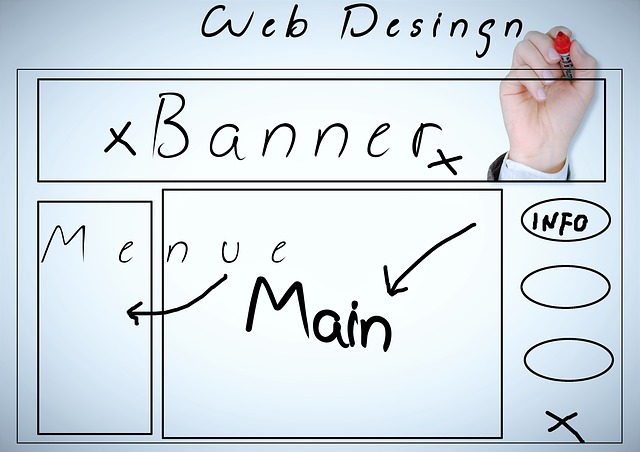
The web design services small business success strategies utilize vary significantly based on business goals, budget, and industry requirements. Understanding the different service types helps you select the right solution for your specific situation rather than overpaying for features you don’t need or choosing an inadequate option that limits growth potential.
Custom website design represents the premium option where designers build your site from scratch based on your unique brand, goals, and specifications. This approach offers maximum flexibility and differentiation, ensuring your website doesn’t look like anyone else’s and includes exactly the functionality your business requires. Custom design works best for businesses with specific requirements, established brands, or those operating in competitive markets where standing out is crucial. While more expensive upfront, custom sites often provide better long-term value because they scale with your business and don’t impose platform limitations.
Template-based solutions offer a middle ground between DIY and custom design. Professional designers start with proven templates and customize them to match your branding and content. This approach significantly reduces development time and cost while still delivering professional results. Template-based designs work well for service businesses, professional practices, and small retailers who need established functionality without reinventing the wheel. The key is ensuring sufficient customization that your site doesn’t look generic or identical to competitors using the same template.
E-commerce integration becomes essential for any business selling products online. Whether you need a simple online store or complex inventory management, payment processing, and shipping calculations, e-commerce functionality requires specialized expertise. Professional web design services small business e-commerce solutions include implement platforms like WooCommerce, Shopify, or custom shopping carts that handle secure transactions, inventory tracking, order management, and customer accounts. If you’re exploring options, reviewing small business website examples can provide inspiration for effective e-commerce design.
Ongoing maintenance packages ensure your website remains secure, updated, and functional long after launch. Websites require regular updates to content management systems, plugins, security patches, and backups. Maintenance services typically include monitoring for downtime, fixing broken links, updating content, and providing technical support when issues arise. Many businesses overlook maintenance until something breaks, resulting in extended downtime and emergency repair costs that far exceed preventive maintenance fees.
Branding and logo design services help establish or refine your visual identity before website development begins. Consistent branding across your website, business cards, social media, and marketing materials creates recognition and professionalism. Some web design agencies offer comprehensive branding packages that develop your logo, color palette, typography, and brand guidelines alongside website design, ensuring cohesive implementation across all touchpoints.
Content creation services address one of the biggest challenges businesses face: filling their website with compelling, SEO-optimized content. Professional copywriters understand how to craft messaging that resonates with your target audience while incorporating keywords that improve search rankings. Many businesses underestimate the time and skill required to write effective website copy, making professional content creation a valuable investment that accelerates launch timelines and improves results.
How to Choose the Right Web Design Provider for Your Business
Selecting the right partner for your website project can mean the difference between a transformative business asset and a frustrating money pit. The process requires due diligence, clear communication, and understanding what separates exceptional providers from mediocre ones. When researching a small business web developer, focus on these critical evaluation criteria.
Evaluating portfolios and case studies provides concrete evidence of capabilities and style. Don’t just look at how sites look—test them on mobile devices, check loading speeds, and navigate through the user experience. Strong portfolios showcase diversity, demonstrating the ability to adapt to different industries and requirements rather than churning out cookie-cutter solutions. Case studies that include specific results (traffic increases, conversion improvements, revenue growth) prove the designer understands business objectives beyond aesthetics. Be wary of portfolios that only show homepage designs without demonstrating full site functionality.
Understanding pricing structures prevents surprises and ensures you’re comparing apples to apples when evaluating quotes. Some designers charge flat project fees, others bill hourly, and some offer monthly retainers. Clarify exactly what’s included: does the price cover stock photos, copywriting, SEO optimization, training, and post-launch support? Are there additional costs for revisions, premium plugins, or specific features? The lowest quote isn’t necessarily the best value if it excludes critical elements you’ll need to purchase separately. Get everything in writing with clear deliverables and timelines tied to payment milestones.
Questions to ask potential designers reveal their expertise, process, and whether they’re the right fit for your project. Ask about their design process, typical timelines, revision policies, and who will actually be doing the work. Inquire about their experience with businesses similar to yours and how they approach mobile optimization and SEO. Understand what happens if you need changes after launch and whether they offer training on updating your own content. Their answers should demonstrate expertise and instill confidence that they understand your needs.
Red flags to avoid include designers who guarantee first-page Google rankings (nobody can guarantee rankings), those unwilling to provide references or portfolio access, or anyone pressuring you to sign immediately with limited-time offers. Be cautious of prices that seem too good to be true—quality web design requires significant expertise and time. Avoid designers who don’t ask detailed questions about your business, goals, and target audience, as this suggests they’re more interested in churning out templated sites than creating strategic solutions. Poor communication during the sales process typically indicates worse communication during the project.
Timeline expectations should be realistic and clearly communicated. A simple brochure website might take 4-6 weeks, while complex e-commerce sites often require 12-16 weeks or more. Timelines depend heavily on your responsiveness in providing content, feedback, and approvals. Professional designers provide detailed project plans with milestones and explain how delays on your end impact overall completion. Be suspicious of promises to complete complex projects in unrealistically short timeframes, as rushed work typically results in poor quality and technical issues.
Communication and support levels define the working relationship and post-launch experience. Clarify preferred communication methods, response time expectations, and how changes or questions are handled. Understanding support policies—whether you receive 30 days post-launch support, ongoing maintenance options, or pay-per-incident technical assistance—prevents frustration when issues arise. The best designers view website launches as the beginning of an ongoing relationship rather than a one-time transaction, offering guidance as your business evolves and digital needs change.
Web Design Services Small Business Cost Breakdown for 2026
Understanding current market rates helps you budget appropriately and recognize whether quotes you receive represent fair value. Web design services small business investment ranges span from a few hundred dollars to tens of thousands, depending on complexity, customization, and the provider’s expertise level. Breaking down costs by tier helps set realistic expectations.
Budget tier: $500-$2,000 typically includes template-based designs with minimal customization, often delivered through freelance platforms or automated website builders with designer assistance. At this price point, expect 5-10 pages, basic SEO optimization, mobile responsiveness, and limited revisions. You’ll likely need to provide all content, images, and be heavily involved in the process. Budget options work for very simple sites with straightforward requirements, but limitations often become apparent as businesses grow. Many businesses in this tier eventually redesign within 1-2 years as they outgrow the initial solution.
Mid-range tier: $2,000-$10,000 represents the sweet spot for most small businesses, offering professional custom or semi-custom design with comprehensive features. This range typically includes 10-20 pages, custom graphics, professional copywriting, thorough SEO optimization, contact forms, blog setup, social media integration, and training on content management. You’ll work with experienced designers who provide strategic guidance, not just technical implementation. Mid-range investments deliver websites that effectively represent your brand, convert visitors, and support business growth for 3-5 years before requiring major updates. For those considering this investment, exploring free website design for business options can help you understand what features justify the investment.
Premium tier: $10,000+ encompasses complex websites with advanced functionality, comprehensive e-commerce platforms, custom integrations, sophisticated animations, extensive content development, and strategic consulting. Premium projects might include 30+ pages, membership areas, booking systems, custom calculators, multilingual support, or integration with CRM and marketing automation platforms. This tier suits established businesses with specific requirements, competitive industries where differentiation is crucial, or companies treating their website as a primary sales channel requiring maximum optimization and conversion focus.
Monthly maintenance costs typically range from $50-$500 depending on service levels. Basic maintenance ($50-$150/month) includes security updates, backups, and monitoring. Standard maintenance ($150-$300/month) adds content updates, performance optimization, and priority support. Premium maintenance ($300-$500+/month) encompasses everything plus ongoing SEO work, analytics reporting, conversion optimization, and strategic consulting. Regular maintenance prevents security breaches, keeps your site functioning properly, and protects your initial investment.
Hidden costs to anticipate include domain registration ($10-$50/year), hosting ($100-$600/year depending on traffic and requirements), premium plugins or themes ($50-$300/year), stock photography if not provided ($10-$100 per image), SSL certificates if not included with hosting ($0-$200/year), and professional email addresses ($6-$12/user/month). Content updates, if you don’t handle them internally, run $50-$150/hour. Factor these ongoing costs into your budget to avoid surprises.
ROI considerations help justify the investment by focusing on business impact rather than just cost. A $5,000 website that generates 10 new customers worth $1,000 each in the first year delivers a 100% return. Calculate your average customer lifetime value, estimate how many additional customers a professional website might generate, and compare that revenue to the investment. Most small businesses find that professional web design pays for itself within 6-12 months through increased leads, higher conversion rates, and improved credibility that closes more sales.
DIY Website Builders vs. Professional Web Design Services

The decision between building your own website or hiring professionals depends on your budget, technical skills, available time, and business objectives. Both approaches have legitimate use cases, and understanding the tradeoffs helps you make the right choice for your specific situation.
Pros and cons of DIY platforms like Wix, Squarespace, and WordPress.com include low upfront costs ($10-$40/month), drag-and-drop simplicity requiring no coding knowledge, and hundreds of templates providing starting points. You maintain complete control over timing and changes, updating content whenever you want without depending on a designer’s schedule. However, DIY limitations include less design flexibility, template restrictions that make true customization difficult, time investment that takes you away from running your business, and technical knowledge gaps that result in suboptimal SEO, performance, or functionality. DIY sites often look amateur even when using professional templates because small design details, layout choices, and content quality reveal inexperience.
When DIY makes sense includes scenarios like testing business concepts before major investment, creating simple placeholder sites while planning comprehensive redesigns, building internal sites or personal portfolios not requiring high conversion optimization, or operating on extremely tight budgets with more time than money. DIY works for people with design aptitude and willingness to invest significant learning time, or businesses where web presence is secondary to offline sales channels. Some entrepreneurs successfully launch with DIY then upgrade to professional design once they’ve validated their business model and generated revenue.
When professional services are worth the investment encompasses most established businesses competing for customers online. If your website serves as a primary lead generation or sales channel, professional design pays for itself through improved conversion rates. Businesses without time or interest in learning web design benefit enormously from delegating to experts who deliver results in weeks rather than months. Companies in competitive industries need differentiation that template limitations prevent. Professional services make sense when you need specific functionality, e-commerce capabilities, custom integrations, or optimal SEO implementation that requires technical expertise. The opportunity cost of spending 50-100 hours building a mediocre DIY site often exceeds paying professionals who deliver superior results faster.
Hybrid approaches offer middle ground solutions. Some businesses start with DIY platforms then hire professionals to customize and optimize their existing sites, improving design and functionality without starting from scratch. Others use professional designers for initial setup and design, then manage ongoing content updates themselves. This maximizes professional expertise on complex technical and strategic elements while keeping simple updates in-house. Some agencies offer “guided DIY” where they provide templates, training, and support while you handle implementation, reducing costs while ensuring quality standards. Evaluate hybrid options if neither pure DIY nor full-service fits your situation.
Small Business Web Design Success Stories and ROI Examples
Real-world examples demonstrate how strategic investments in web design services small business transformation generates tangible business results. These case studies illustrate different business types, challenges, and outcomes, providing concrete evidence of web design’s impact beyond aesthetics.
Case study 1: Local retail business – A boutique clothing store in a mid-sized city had operated successfully for 15 years relying entirely on foot traffic and word-of-mouth. Their outdated website (built in 2012 and never updated) featured poor mobile experience, broken links, and no e-commerce capability. After investing $6,500 in professional redesign including e-commerce integration, mobile optimization, local SEO, and professional photography, they saw remarkable results within six months: 340% increase in website traffic, 28% of revenue now generated online, improved local search rankings from page 3 to top 3 for key terms, and significantly expanded customer base beyond their immediate geographic area. The website investment paid for itself in the first four months through online sales alone, not counting increased foot traffic from improved local SEO.
Case study 2: Service-based company – A residential and commercial HVAC company struggled with lead generation despite excellent service quality and customer reviews. Their DIY website built on Wix looked unprofessional, lacked clear calls-to-action, and provided no trust signals like certifications or reviews. A $4,200 redesign focused on conversion optimization, incorporating prominent service area maps, online booking, customer testimonials, before/after photos, financing options, and emergency service CTAs. Within three months, they documented: 165% increase in quote requests, 43% reduction in cost-per-lead from Google Ads due to improved Quality Score, average of 12 new appointments per week attributed directly to website inquiries, and 5-star reviews increased from 23 to 87 as they made it easy for satisfied customers to leave feedback. The owner reported the website became their best salesperson, working 24/7 without complaints.
Case study 3: B2B consulting firm – A management consulting firm with Fortune 500 clients had an elegant but static website that failed to demonstrate expertise or generate inbound leads. Their $12,000 redesign implemented thought leadership content strategy, gated premium resources, case study showcases, sophisticated filtering for service offerings, and integration with their CRM and email marketing. Results after one year included: 520% increase in organic search traffic, 89 qualified leads generated through gated content downloads, 14 consulting engagements won directly attributed to website-initiated conversations worth $380,000 in revenue, and dramatically shortened sales cycles as prospects arrived already educated about their methodology. The website transformed from a digital brochure into a lead generation engine that justified a 3,200% ROI.
Measurable outcomes across these diverse examples share common themes: professional web design increases visibility through improved SEO, enhances credibility that converts more visitors into customers, provides 24/7 lead generation that scales beyond owner capacity, and delivers measurable ROI that typically exceeds 200-500% in the first year. Success requires more than just attractive design—it demands strategic thinking about user experience, conversion optimization, content strategy, and technical implementation. The businesses that see transformative results view their website as a critical business asset deserving professional attention, not an afterthought or cost to minimize.
Taking Action on Your Web Design Investment
Armed with comprehensive understanding of web design services small business success depends on, you’re prepared to make informed decisions that position your business for growth. The seven strategies we’ve covered—understanding why professional web design matters, implementing essential features, choosing appropriate service types, selecting the right provider, budgeting realistically, evaluating DIY versus professional approaches, and learning from real success stories—provide a roadmap for transforming your digital presence from liability to asset.
Your next steps should include defining your specific goals and requirements, determining your realistic budget including ongoing costs, researching and vetting potential design partners using the criteria discussed, and scheduling consultations with your top 3-5 candidates. Ask detailed questions, review their portfolios thoroughly, and trust your instincts about who understands your business and communicates effectively. Request detailed proposals that specify deliverables, timelines, and costs so you can compare options objectively. Once you’ve selected a partner, commit fully to the process by providing prompt feedback, delivering content on schedule, and maintaining open communication throughout the project.
The timeline for seeing results varies but typically follows predictable patterns. Expect your website project to take 4-16 weeks depending on complexity. Initial SEO results typically appear 2-3 months after launch as search engines index and rank your site. Lead generation and conversion improvements often materialize within the first month as qualified traffic discovers your professional online presence. The full business impact becomes clear 6-12 months post-launch when you can analyze comprehensive data on traffic sources, user behavior, conversion rates, and revenue attribution.
Remember that web design services small business growth strategies leverage aren’t one-time expenses but ongoing investments in your business infrastructure. The most successful businesses treat their websites as living assets requiring regular updates, optimization, and evolution as markets change and businesses grow. Technology advances, design trends shift, and search algorithms update—maintaining relevance requires attention even after an excellent initial launch. Budget for periodic content updates, annual design refreshments, and major redesigns every 3-5 years to maintain competitive advantage.
The ROI speaks for itself when you consider that your website works 24/7, never takes vacation, doesn’t require benefits, and reaches far more potential customers than any single employee could. It answers questions, demonstrates expertise, builds credibility, and generates leads while you sleep. Every day you delay investing in professional web design is a day your competitors capture customers who could have chosen your business. The businesses dominating their markets in 2026 are those that recognized the strategic importance of exceptional web presence and took decisive action to claim their digital territory. Your future customers are searching right now—make sure they find a website that converts them into clients who fuel your business growth for years to come.