

In 2026, your small business’s digital presence isn’t just a nice-to-have—it’s the foundation of your survival and growth strategy. With more than 70% of consumers conducting extensive online research before making any purchase decision, the critical question facing business owners isn’t whether they need a website, but rather how quickly they can secure one that effectively converts casual visitors into paying customers. The website design services for small business owners invest in today become the revenue-generating assets that fuel tomorrow’s growth. The digital marketplace has evolved into an intensely competitive arena where businesses lacking a robust web presence effectively disappear from the consideration set of the vast majority of potential customers actively seeking solutions like yours.
The fundamental challenge confronting most small business owners centers on understanding precisely what website design services for small business success actually requires and how to navigate the bewildering array of options flooding the marketplace. From do-it-yourself website builders promising instant results to full-service agencies offering comprehensive solutions, the choices can feel overwhelming and paralyzing. This comprehensive guide systematically breaks down everything you need to understand about website design services for small business growth demands, providing clear, actionable insights that empower you to make informed decisions. Whether you’re launching your first website or completely redesigning an outdated one, you’ll discover the strategic framework that helps you maximize your return on investment in website design services for small business leaders are leveraging to dominate their local and national markets.
Understanding Website Design Services for Small Business: What You Really Need
Professional website design services for small business encompass far more than simply creating an attractive digital brochure. These services represent comprehensive solutions that combine strategic planning, user experience design, technical development, search engine optimization, and ongoing support to create digital assets that actively contribute to business growth. Understanding what separates professional services from amateur efforts helps business owners recognize the value proposition and make investment decisions aligned with their growth objectives.
The impact of first impressions cannot be overstated in the digital realm. Research consistently demonstrates that 75% of consumers form judgments about a company’s credibility based exclusively on website design quality. Within the first 50 milliseconds of landing on your site—faster than a single heartbeat—visitors form opinions that fundamentally influence whether they’ll engage with your content or immediately click away to a competitor. This instantaneous judgment means your website design transcends aesthetics to become a critical trust signal, a demonstration of professionalism, and a representation of your brand’s value proposition. When potential customers encounter poorly designed, outdated, or difficult-to-navigate websites, they instinctively question whether your business possesses the capability to deliver quality products or exceptional services.
Mobile-first consumer behavior has fundamentally transformed how businesses must approach web design in 2026. Mobile devices now account for approximately 63% of all web traffic, and Google’s mobile-first indexing protocol means your mobile experience directly determines search rankings. The website design services for small business professionals provide ensure seamless performance across every device category—smartphones, tablets, and desktop computers. A website that displays beautifully on desktop but breaks or performs poorly on mobile devices isn’t merely inconvenient—it’s actively driving away the majority of your potential customers before they ever have the opportunity to learn about your offerings or contact your business. Professional services address this mobile imperative through responsive design frameworks that automatically adapt to any screen size.
Essential Features Every Small Business Website Must Include
Comprehending the non-negotiable elements that effective website design services for small business success requires proves crucial before investing a single dollar in web development. These essential features form the foundation of every high-converting website, and omitting any of them fundamentally compromises your entire digital marketing strategy. Professional designers systematically build these elements into every project because decades of data have proven their dramatic impact on user experience and measurable business results.
Mobile Responsiveness
Your website must automatically adjust and optimize presentation for every conceivable screen size and device type. Mobile responsiveness has transitioned from optional enhancement to absolute fundamental requirement. Google actively penalizes websites failing to provide excellent mobile experiences, relegating them to lower positions in search results where potential customers never discover them. Beyond search engine optimization implications, mobile users expect seamless navigation, readable text without zooming, and appropriately sized buttons optimized for touch interaction. Responsive design ensures your site maintains professional appearance and perfect functionality whether someone views it on a smartphone during their morning commute or a desktop computer in their office environment.
Fast Loading Speed
Website speed correlates directly with conversion rates and overall user satisfaction metrics. Research demonstrates that 53% of mobile users abandon sites requiring longer than three seconds to load. Every additional second of loading time decreases conversions by up to 7%, creating a compounding negative effect on business results. Professional website design services for small business packages systematically optimize images, leverage browser caching, minify code, and implement content delivery networks (CDNs) to ensure blazing-fast performance. Page speed transcends user experience considerations—it represents a confirmed Google ranking factor that directly influences where your site appears in search results and consequently how many potential customers discover your business.
Clear Calls-to-Action
Every page on your website should strategically guide visitors toward a specific, measurable action. Whether you want them to schedule consultations, request quotes, make purchases, or subscribe to your newsletter, strategically positioned calls-to-action (CTAs) make the next step obvious and frictionless. Effective CTAs employ action-oriented language, contrasting colors that command attention, and positioning in high-visibility areas based on user behavior patterns. Vague or buried CTAs leave visitors uncertain about next steps, resulting in them departing your site without converting and seeking clearer guidance from competitors.
Contact Information Accessibility
Making customer contact effortless seems obvious, yet countless websites bury contact information or require multiple clicks to locate phone numbers. Your contact information should display prominently on every page, typically positioned in headers or footers for consistent accessibility. Include multiple contact methods—phone numbers, email addresses, contact forms, and physical addresses when applicable. For local businesses, prominently displayed contact information provides additional benefits for local SEO, as search engines utilize this data to verify business legitimacy and precise location, improving your visibility in location-based searches.
SEO Optimization
The most visually stunning website delivers zero value if potential customers cannot discover it through search engines. SEO optimization involves strategic keyword placement, proper heading hierarchy, compelling meta descriptions, descriptive alt text for images, clean URL structures, and strategic internal linking. Professional designers understand how to architect SEO best practices into site structure from inception, rather than attempting to retrofit optimization after launch. When evaluating small business website design services, inquire specifically about their SEO approach, whether optimization is included in base pricing or represents an additional investment, and request examples of ranking improvements they’ve achieved for previous clients.
Security (SSL Certificates)
Website security protects both your business operations and your customers’ sensitive information. SSL certificates encrypt data transmitted between your website and visitors, proving absolutely essential for any site collecting personal information or processing payments. Beyond fundamental security benefits, SSL certificates prevent Chrome and other browsers from displaying “Not Secure” warnings that immediately erode visitor trust. Google additionally uses HTTPS as a ranking signal, meaning secure sites receive preferential treatment in search results, improving visibility and traffic potential.
Analytics Integration
You cannot improve what you don’t measure systematically. Analytics integration enables tracking visitor behavior, traffic sources, popular pages, conversion paths, and dozens of other metrics that inform strategic business decisions. Understanding which marketing channels drive the most qualified traffic, which pages cause visitors to exit, and how users navigate your site empowers continuous performance optimization. Professional website design services for small business growth-focused providers configure analytics during initial setup, ensuring you capture valuable behavioral data from day one rather than missing critical insights during your crucial launch period when baseline data proves most valuable.
Types of Website Design Services for Small Business Growth
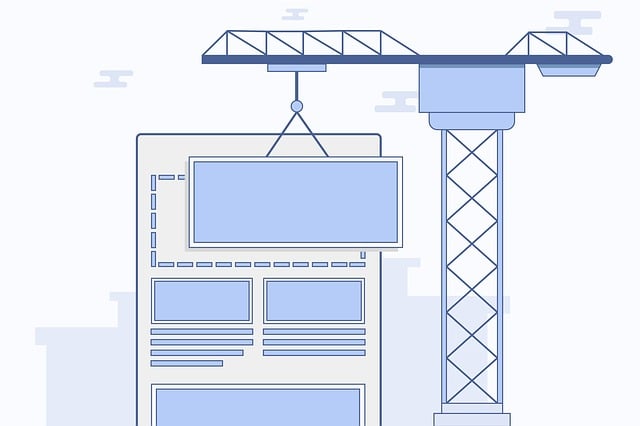
The specific website design services for small business success strategies utilize vary significantly based on individual business goals, available budget, and industry-specific requirements. Understanding the distinct service categories helps you select the optimal solution for your particular situation rather than overpaying for features you don’t require or selecting inadequate options that limit growth potential and necessitate costly redesigns.
Custom website design represents the premium option where designers build your site completely from scratch based on your unique brand identity, specific goals, and detailed specifications. This approach offers maximum flexibility and differentiation, ensuring your website doesn’t resemble competitors and includes precisely the functionality your business model requires. Custom design works optimally for businesses with highly specific requirements, established brands requiring perfect alignment, or those operating in intensely competitive markets where differentiation proves crucial. While more expensive initially, custom sites often provide superior long-term value because they scale seamlessly with business growth and don’t impose platform limitations that restrict future expansion.
Template-based solutions offer an intelligent middle ground between DIY approaches and fully custom design. Professional designers begin with proven templates and extensively customize them to match your branding, content, and functional requirements. This approach dramatically reduces development time and associated costs while still delivering professional results that convert visitors effectively. Template-based designs work exceptionally well for service businesses, professional practices, and small retailers requiring established functionality without reinventing fundamental website architecture. The critical factor involves ensuring sufficient customization that your site doesn’t appear generic or identical to competitors utilizing the same base template.
E-commerce integration becomes absolutely essential for any business selling products online. Whether you require a straightforward online store or complex inventory management, payment processing, shipping calculations, and customer account systems, e-commerce functionality demands specialized expertise. Professional website design services for small business e-commerce solutions implement proven platforms like WooCommerce, Shopify, or custom shopping carts that securely handle transactions, track inventory accurately, manage orders efficiently, and maintain customer accounts. If you’re exploring design options, reviewing small business website examples provides valuable inspiration for effective e-commerce design approaches and helps you articulate your vision to potential designers.
Ongoing maintenance packages ensure your website remains secure, current, and fully functional long after initial launch. Websites require regular updates to content management systems, plugins, security patches, and backup systems. Maintenance services typically include continuous monitoring for downtime, fixing broken links as they emerge, updating content as needed, and providing technical support when issues arise. Many businesses unfortunately overlook maintenance until critical problems emerge, resulting in extended downtime and emergency repair costs that far exceed proactive maintenance fees. Establishing maintenance agreements from the outset protects your investment and ensures consistent performance.
Branding and logo design services help establish or refine your visual identity before website development begins. Consistent branding across your website, business cards, social media profiles, and marketing materials creates recognition and reinforces professionalism. Some web design agencies offer comprehensive branding packages that develop your logo, color palette, typography standards, and brand guidelines alongside website design, ensuring cohesive implementation across all customer touchpoints and creating a unified brand experience.
Content creation services address one of the most significant challenges businesses face: populating their website with compelling, SEO-optimized content that resonates with target audiences. Professional copywriters understand how to craft messaging that connects emotionally with your target audience while strategically incorporating keywords that improve search rankings. Many businesses dramatically underestimate the time investment and specialized skill required to write effective website copy, making professional content creation a valuable investment that accelerates launch timelines and improves conversion results from day one.
Selecting the Right Design Partner for Your Small Business
Choosing the appropriate partner for your website project can literally mean the difference between a transformative business asset that generates consistent returns and a frustrating money pit that drains resources without delivering results. The selection process requires thorough due diligence, crystal-clear communication, and deep understanding of what separates exceptional providers from mediocre ones. When researching a small business web developer, focus systematically on these critical evaluation criteria to increase your probability of successful outcomes.
Portfolio and case study evaluation provides concrete, objective evidence of capabilities and design style. Don’t merely examine how sites look aesthetically—thoroughly test them on multiple mobile devices, check loading speeds using tools like Google PageSpeed Insights, and navigate through the complete user experience. Strong portfolios showcase meaningful diversity, demonstrating the ability to adapt to different industries and requirements rather than producing cookie-cutter solutions. Case studies that include specific, measurable results—traffic increases, conversion improvements, revenue growth—prove the designer understands business objectives beyond pure aesthetics. Exercise caution with portfolios showing only homepage designs without demonstrating full site functionality and user journeys.
Understanding pricing structures prevents unpleasant surprises and ensures you’re comparing equivalent offerings when evaluating quotes from multiple providers. Some designers charge flat project fees, others bill hourly, and some offer monthly retainer arrangements. Clarify exactly what’s included in quoted prices: does the fee cover stock photography, professional copywriting, comprehensive SEO optimization, client training, and post-launch support? Are there additional costs for revision rounds, premium plugins, or specific advanced features? The lowest quote rarely represents the best value if it excludes critical elements you’ll need to purchase separately or add later. Insist on everything documented in writing with clear deliverables and timelines tied to payment milestones.
Questions to ask potential designers reveal their true expertise level, systematic process, and whether they represent the right fit for your specific project requirements. Inquire about their design process, typical project timelines, revision policies, and who will actually perform the work. Ask about their experience with businesses similar to yours and how they approach mobile optimization and SEO implementation. Understand clearly what happens if you need changes after official launch and whether they offer training on updating your own content. Their answers should demonstrate deep expertise and instill confidence that they genuinely understand your unique needs and challenges.
Red flags to avoid include designers who guarantee first-page Google rankings (no legitimate professional can guarantee rankings), those unwilling to provide client references or portfolio access, or anyone pressuring you to sign contracts immediately with artificial limited-time offers. Exercise extreme caution with prices that seem too good to be true—quality web design requires significant expertise and time investment. Avoid designers who don’t ask detailed, probing questions about your business model, specific goals, and target audience characteristics, as this suggests they’re more interested in churning out templated sites than creating strategic solutions. Poor communication during the sales process typically indicates even worse communication during actual project execution.
Timeline expectations should be realistic and clearly communicated from project inception. A straightforward brochure website might require 4-6 weeks, while complex e-commerce sites often demand 12-16 weeks or more for proper execution. Timelines depend heavily on your responsiveness in providing content, feedback, and approvals at each project stage. Professional designers provide detailed project plans with clearly defined milestones and transparently explain how delays on your end impact overall completion dates. Be highly suspicious of promises to complete complex projects in unrealistically short timeframes, as rushed work typically results in poor quality and technical issues that cost more to fix later.
Communication and support levels fundamentally define the working relationship and post-launch experience quality. Clarify preferred communication methods, response time expectations, and how changes or questions will be handled throughout the project and beyond. Understanding support policies—whether you receive 30 days of post-launch support, ongoing maintenance options, or pay-per-incident technical assistance—prevents frustration when inevitable issues arise. The best designers view website launches as the beginning of ongoing relationships rather than one-time transactions, offering continued guidance as your business evolves and digital needs change over time.
Website Design Services for Small Business: 2026 Cost Breakdown
Understanding current market rates helps you budget appropriately and recognize whether quotes you receive represent fair value or attempt to exploit inexperience. Website design services for small business investment ranges span from several hundred dollars to tens of thousands, depending on complexity, customization level, and the provider’s expertise and reputation. Breaking down costs by tier helps establish realistic expectations and aligns investment with business goals.
Budget tier: $500-$2,000 typically includes template-based designs with minimal customization, often delivered through freelance platforms or automated website builders with limited designer assistance. At this price point, expect 5-10 pages, basic SEO optimization, mobile responsiveness, and limited revision rounds. You’ll likely need to provide all content, images, and invest heavily in the process yourself. Budget options work adequately for very simple sites with straightforward requirements, but limitations often become painfully apparent as businesses grow and requirements evolve. Many businesses in this tier eventually require complete redesigns within 1-2 years as they outgrow the initial solution’s capabilities.
Mid-range tier: $2,000-$10,000 represents the optimal sweet spot for most small businesses, offering professional custom or semi-custom design with comprehensive features and strategic guidance. This range typically includes 10-20 pages, custom graphics, professional copywriting, thorough SEO optimization, contact forms, blog setup, social media integration, and comprehensive training on content management. You’ll work directly with experienced designers who provide strategic guidance beyond mere technical implementation. Mid-range investments deliver websites that effectively represent your brand, convert visitors consistently, and support business growth for 3-5 years before requiring major updates. For those considering this investment level, exploring free website design for business options first can help you understand what features justify professional investment and what you might accomplish independently.
Premium tier: $10,000+ encompasses complex websites with advanced functionality, comprehensive e-commerce platforms, custom integrations with business systems, sophisticated animations, extensive content development, and strategic consulting services. Premium projects might include 30+ pages, membership areas, booking systems, custom calculators or configurators, multilingual support, or integration with CRM and marketing automation platforms. This tier suits established businesses with highly specific requirements, competitive industries where differentiation proves crucial, or companies treating their website as a primary sales channel requiring maximum optimization and conversion focus to generate substantial returns.
Monthly maintenance costs typically range from $50-$500 depending on service levels and site complexity. Basic maintenance ($50-$150/month) includes security updates, regular backups, and uptime monitoring. Standard maintenance ($150-$300/month) adds content updates, performance optimization, and priority support. Premium maintenance ($300-$500+/month) encompasses everything plus ongoing SEO work, detailed analytics reporting, conversion optimization, and strategic consulting. Regular maintenance prevents security breaches, keeps your site functioning properly, and protects your substantial initial investment from deterioration over time.
Hidden costs to anticipate include domain registration ($10-$50/year), hosting services ($100-$600/year depending on traffic volume and requirements), premium plugins or themes ($50-$300/year), stock photography if not provided ($10-$100 per professional image), SSL certificates if not included with hosting ($0-$200/year), and professional email addresses ($6-$12/user/month). Content updates, if you don’t handle them internally, typically run $50-$150/hour for professional services. Factor these ongoing costs into your comprehensive budget planning to avoid unpleasant surprises that strain cash flow.
ROI considerations help justify the investment by focusing on tangible business impact rather than merely comparing costs. A $5,000 website that generates 10 new customers worth $1,000 each in the first year delivers a compelling 100% return on investment. Calculate your average customer lifetime value, estimate conservatively how many additional customers a professional website might generate or retain, and compare that projected revenue to the investment required. Most small businesses discover that professional web design pays for itself within 6-12 months through increased qualified leads, higher conversion rates, and improved credibility that closes more sales at higher margins.
DIY Website Builders vs. Professional Design Services
The decision between building your own website or hiring professionals depends on multiple factors: available budget, technical skills, available time, and overarching business objectives. Both approaches have legitimate use cases in different situations, and understanding the genuine tradeoffs helps you make the optimal choice for your specific circumstances rather than following generic advice that may not apply to your situation.
Pros and cons of DIY platforms like Wix, Squarespace, and WordPress.com include genuinely low upfront costs ($10-$40/month), drag-and-drop simplicity requiring no coding knowledge, and hundreds of templates providing reasonable starting points. You maintain complete control over timing and changes, updating content whenever desired without depending on a designer’s schedule or availability. However, significant DIY limitations include substantially less design flexibility, template restrictions that make true customization difficult or impossible, massive time investment that diverts attention from core business activities, and technical knowledge gaps that result in suboptimal SEO, performance, or functionality. DIY sites often appear amateur even when using professional templates because subtle design details, layout choices, and content quality immediately reveal inexperience to discerning visitors.
When DIY makes sense includes specific scenarios like testing business concepts before major investment, creating simple placeholder sites while planning comprehensive redesigns, building internal sites or personal portfolios not requiring high conversion optimization, or operating on extremely tight budgets with more available time than money. DIY works reasonably well for people with natural design aptitude and genuine willingness to invest significant learning time, or businesses where web presence remains secondary to offline sales channels. Some entrepreneurs successfully launch with DIY approaches then strategically upgrade to professional design once they’ve validated their business model and generated sufficient revenue to justify professional investment.
When professional services justify investment encompasses most established businesses actively competing for customers online. If your website serves as a primary lead generation or direct sales channel, professional design pays for itself rapidly through dramatically improved conversion rates. Businesses without available time or interest in learning web design benefit enormously from delegating to experts who deliver superior results in weeks rather than the months DIY typically requires. Companies in competitive industries need differentiation that template limitations inherently prevent. Professional services make compelling sense when you need specific functionality, e-commerce capabilities, custom integrations with business systems, or optimal SEO implementation requiring technical expertise. The opportunity cost of spending 50-100 hours building a mediocre DIY site often substantially exceeds paying professionals who deliver superior results faster while you focus on revenue-generating activities.
Hybrid approaches offer pragmatic middle ground solutions worth considering. Some businesses strategically start with DIY platforms then hire professionals to customize and optimize their existing sites, improving design quality and functionality without starting completely from scratch. Others use professional designers for critical initial setup and design, then manage straightforward ongoing content updates themselves. This approach maximizes professional expertise on complex technical and strategic elements while keeping simple updates in-house to control costs. Some agencies offer “guided DIY” services where they provide customized templates, comprehensive training, and ongoing support while you handle implementation, reducing costs while ensuring quality standards. Carefully evaluate hybrid options if neither pure DIY nor full-service professional design perfectly fits your situation and constraints.
Small Business Success Stories: Real ROI Examples
Real-world examples powerfully demonstrate how strategic investments in website design services for small business transformation generate tangible, measurable business results that justify initial costs. These detailed case studies illustrate different business types, unique challenges, and concrete outcomes, providing compelling evidence of web design’s impact far beyond superficial aesthetics.
Case study 1: Local retail business – A boutique clothing store in a mid-sized city had operated successfully for 15 years relying entirely on foot traffic and word-of-mouth referrals. Their severely outdated website (originally built in 2012 and never meaningfully updated) featured poor mobile experience, numerous broken links, and zero e-commerce capability. After investing $6,500 in comprehensive professional redesign including full e-commerce integration, mobile optimization, local SEO implementation, and professional photography, they documented remarkable results within just six months: 340% increase in website traffic, 28% of total revenue now generated through online sales, improved local search rankings from page 3 to consistent top 3 positions for key terms, and significantly expanded customer base reaching far beyond their immediate geographic area. The website investment paid for itself completely in the first four months through online sales alone, not even accounting for increased foot traffic directly attributed to improved local SEO visibility.
Case study 2: Service-based company – A residential and commercial HVAC company struggled with inconsistent lead generation despite excellent service quality and strong customer reviews. Their amateur DIY website built on Wix looked unprofessional, lacked clear calls-to-action, and provided no trust signals like certifications, insurance documentation, or customer reviews. A focused $4,200 redesign concentrated on conversion optimization, incorporating prominent service area maps, streamlined online booking, compelling customer testimonials, before/after project photos, transparent financing options, and prominent emergency service CTAs. Within just three months, they documented impressive results: 165% increase in qualified quote requests, 43% reduction in cost-per-lead from Google Ads due to improved Quality Score and landing page experience, average of 12 new appointments per week attributed directly to website inquiries, and 5-star reviews increased from 23 to 87 as they made leaving feedback effortless for satisfied customers. The owner enthusiastically reported the website became their best salesperson, working 24/7 without complaints, sick days, or demanding raises.
Measurable outcomes across these diverse examples share compelling common themes: professional web design dramatically increases visibility through improved SEO implementation, substantially enhances credibility that converts more visitors into paying customers, provides consistent 24/7 lead generation that scales far beyond owner capacity, and delivers measurable ROI typically exceeding 200-500% in the first year alone. Success requires far more than merely attractive design—it demands strategic thinking about user experience optimization, systematic conversion optimization, comprehensive content strategy, and expert technical implementation. The businesses achieving truly transformative results view their website as a critical business asset deserving serious professional attention and ongoing investment, not an afterthought or cost to minimize.
Your Action Plan for Website Design Investment
Armed with comprehensive understanding of what website design services for small business success genuinely depends on, you’re now prepared to make informed decisions that strategically position your business for sustainable growth. The key insights we’ve covered—understanding why professional web design matters critically, implementing essential features systematically, choosing appropriate service types strategically, selecting the right provider carefully, budgeting realistically for long-term success, evaluating DIY versus professional approaches objectively, and learning from real success stories—provide a practical roadmap for transforming your digital presence from liability into valuable asset.
Your immediate next steps should include defining your specific goals and detailed requirements, determining your realistic budget including often-overlooked ongoing costs, researching and thoroughly vetting potential design partners using the criteria we’ve discussed, and scheduling consultations with your top 3-5 candidates for direct comparison. Ask penetrating questions, review their portfolios meticulously, and trust your instincts about who genuinely understands your business and communicates effectively. Request detailed proposals that explicitly specify deliverables, realistic timelines, and comprehensive costs so you can compare options objectively rather than emotionally. Once you’ve selected a partner, commit fully to the collaborative process by providing prompt, constructive feedback, delivering requested content on schedule, and maintaining open, honest communication throughout the project lifecycle.
The timeline for seeing meaningful results varies but typically follows predictable patterns across industries. Expect your website project to require 4-16 weeks depending on scope complexity and your responsiveness. Initial SEO results typically begin appearing 2-3 months after launch as search engines systematically index and rank your new site. Lead generation and conversion improvements often materialize within the first month as qualified traffic discovers your professional online presence and responds to clear calls-to-action. The complete business impact becomes clear 6-12 months post-launch when you can analyze comprehensive data on traffic sources, user behavior patterns, conversion rates across different segments, and revenue attribution to specific marketing channels. Remember that website design services for small business growth strategies leverage aren’t one-time expenses but ongoing investments in fundamental business infrastructure that compounds returns over time. Your future customers are searching right now—ensure they find a website that converts them into loyal clients fueling your business growth for years to come.