
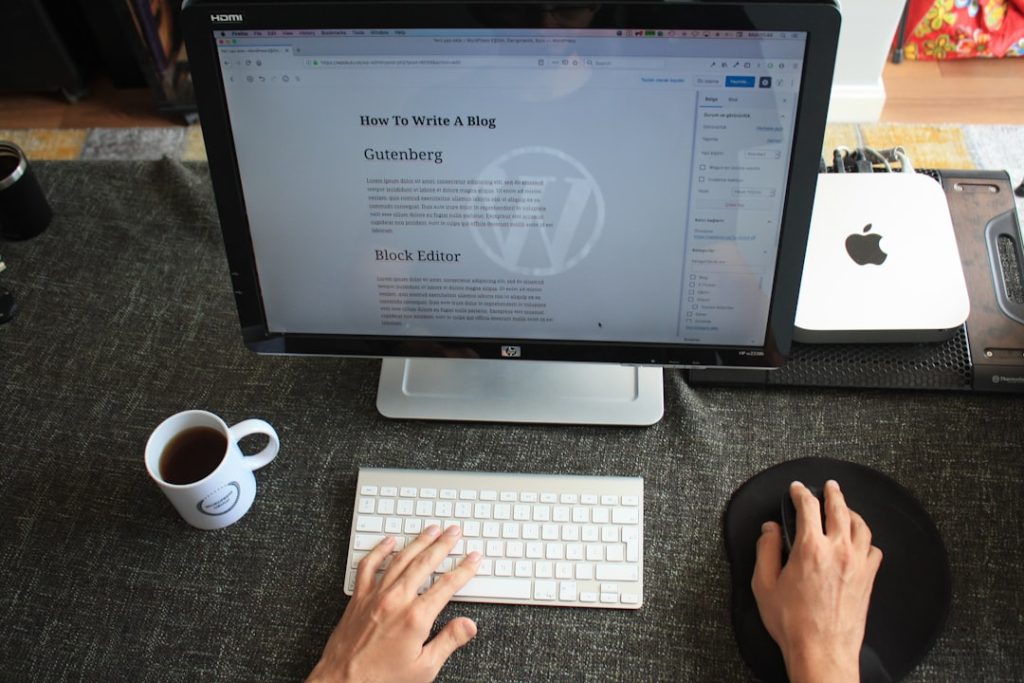
The digital landscape is in constant flux. For years, WordPress has been the bedrock of the web, a titan that has powered a significant portion of online presences. Yet, as you navigate the evolving terrain of website creation and management, the question naturally arises: what will replace WordPress? While the concept of a single, overarching successor is a misnomer – the web is rarely that singular in its evolution – a constellation of powerful alternatives is emerging, each poised to capture different segments of the market and cater to specific needs. Understanding these shifts in the digital architecture will equip you to make informed decisions about your own online footprint.
The dominance of WordPress, while impressive, has also led to certain inherent complexities. Its open-source nature, a key strength, has also created a vast ecosystem of plugins and themes, which, while offering immense flexibility, can also be a source of performance bottlenecks, security vulnerabilities, and a steep learning curve. For many users, the sheer volume of options can be overwhelming, akin to facing a sprawling metropolis with no clear itinerary. The maintenance burden of keeping a WordPress site running optimally – updates, security patches, plugin conflicts – can often feel like a second job. This is where the allure of simpler, more streamlined, or specialized solutions begins to grow, whispering promises of reduced complexity and enhanced focus.
The Weight of Legacy and Complexity
Think of your current website as a well-worn toolbox. WordPress, in its ubiquity, has become a universal toolbox, capable of holding almost any tool you might imagine. However, with that breadth comes depth, and often, clutter. You might have tools you’ve never used, or tools that have become obsolete, yet they remain, adding to the overall bulk and making it harder to find the specific instrument you need for the task at hand. This is the legacy WordPress carries: a vast, powerful, but at times unwieldy, system.
The Rise of Specialization
The modern web often demands a more nuanced approach. Just as you wouldn’t use a sledgehammer to crack a nut, the diverse needs of creators, businesses, and individuals require platforms that are finely tuned to specific functionalities. This specialization means that instead of a single platform attempting to be everything to everyone, a suite of specialized tools are now making their mark, offering tailored experiences.
The New Vanguard: Leading Alternatives and Their Niche
The idea of a single platform “replacing” WordPress is a narrative that doesn’t quite align with the current reality. Instead, you are witnessing the emergence of a diverse ecosystem of platforms, each excelling in particular areas. These are not direct one-to-one replacements, but rather intelligent alternatives that address specific user requirements more effectively. For instance, where WordPress might require extensive customization for eCommerce, Shopify offers a dedicated and robust solution. Where WordPress can be challenging for beginners to style, Wix provides intuitive drag-and-drop interfaces.
Wix: The All-Rounder for Ease of Use and Versatility
For those who prioritize immediate results and a visually-driven experience, Wix stands out as a compelling option. It has cultivated a reputation for being incredibly user-friendly, allowing individuals with little to no coding knowledge to construct professional-looking websites. Its drag-and-drop interface acts like a digital canvas, where you can freely arrange elements and design your pages with a high degree of visual control.
Beginner-Friendly Design and AI Assistance
Wix’s appeal lies in its accessibility. You don’t need to decipher complex code or navigate through a labyrinth of settings. The platform provides a wide array of pre-designed templates, which serve as excellent starting points. From there, you can customize every aspect of your site, from fonts and colors to image placement and layout. Recent advancements have further bolstered its user-friendliness, with AI-powered tools that can assist in generating initial website designs based on your input, effectively giving you a head start. This AI assistance can be likened to having a digital design assistant who understands your initial vision.
Flexible Functionality for Various Needs
Beyond aesthetics, Wix offers a comprehensive suite of features to support diverse website needs. Whether you aim to build a personal blog, a portfolio, a small business website, or even an online store, Wix provides the necessary tools. Its App Market further expands its capabilities, allowing you to integrate third-party services and functionalities, much like adding specialized apps to your smartphone for enhanced utility. This flexibility, combined with its ease of use, makes it a strong contender for those seeking a quick and effective online presence without the technical overhead.
Squarespace: The Stylist for Visual Storytelling
If your online presence is as much about aesthetics and brand curation as it is about content, Squarespace offers a highly polished and design-centric experience. It has garnered a loyal following among creatives, artists, and businesses that place a high premium on visual presentation. Squarespace’s templates are renowned for their elegance and sophistication, often feeling more like curated art pieces than standard website layouts.
Elegant Templates and Consistent Branding
Squarespace’s core strength lies in its beautifully crafted templates. Unlike the more freeform approach of some other builders, Squarespace offers a more structured, yet highly customizable, framework. This structure ensures that your website will maintain a consistent and professional look, even as you personalize it. It’s like having a meticulously designed portfolio where every page is a framed masterpiece. The platform prioritizes high-quality imagery and typography, allowing your content to shine in a visually appealing context.
Seamless Content Management and Import
For bloggers and content creators, Squarespace offers a robust and intuitive content management system. Publishing new posts, organizing content, and managing media are streamlined processes. Furthermore, for those transitioning from other platforms, Squarespace provides tools to import content, making the migration process less daunting. This attention to content flow and ease of publishing has made it a favorite for those who want to focus on creating and sharing their stories without getting bogged down in technicalities.
Webflow: The Designer’s Playground for Uncompromised Control
Webflow represents a significant step forward for designers and developers who seek a powerful visual development platform without sacrificing control. It bridges the gap between traditional coding and visual website builders, offering a no-code environment that provides granular control over every aspect of a website’s design and functionality. This is not simply a drag-and-drop interface; it’s a sophisticated visual editor that translates your design decisions into clean, semantic code.
Visual Development with Unparalleled Control
Imagine being able to design and build a website as if you were using graphic design software, but with the power to create fully functional, responsive web pages. That is the essence of Webflow. You manipulate elements, define their behavior, and craft animations and interactions using a visual interface that mirrors the underlying HTML, CSS, and JavaScript. This means you can achieve highly customized and dynamic designs that might be difficult or time-consuming to replicate with other builders or even with traditional WordPress development. It’s like having a master architect’s blueprint at your fingertips, allowing you to construct precisely what you envision.
Built-in CMS and Scalability
A key advantage of Webflow is its integrated CMS. This allows you to create dynamic content structures, manage collections of data (like blog posts, portfolio items, or products), and display them beautifully on your site without needing to rely on external plugins. This inherent scalability and powerful CMS make Webflow suitable for a wide range of projects, from simple marketing sites to complex web applications.
Shopify: The E-Commerce Powerhouse
When your primary objective is to sell products online, Shopify emerges as the undisputed leader. It is a dedicated eCommerce platform, meaning its entire feature set is optimized for online retail. While WordPress can be adapted for eCommerce with plugins like WooCommerce, Shopify is built from the ground up with the needs of online store owners at its core.
Comprehensive eCommerce Functionality
Shopify provides everything you need to launch and manage an online store. This includes secure payment gateway integration, inventory management, shipping solutions, robust order processing, and detailed sales analytics. Its user interface is designed to guide you through the process of setting up your store, adding products, and managing your customer base. It’s like stepping into a fully equipped virtual retail space, ready for business.
Scalability and Extensive App Ecosystem
As your business grows, Shopify can scale with you. Its platform is designed to handle increasing traffic and sales volumes. Furthermore, the Shopify App Store is a treasure trove of extensions that can add almost any imaginable functionality to your store, from advanced marketing tools and customer service enhancements to specialized inventory tracking and fulfillment options.
The Horizon of Innovation: Emerging Trends and Technologies

Beyond the established platforms, the future of web development is also being shaped by powerful trends that are pushing boundaries and offering new paradigms for online presence. These trends often lean towards enhanced performance, increased flexibility, and greater developer control. For those who are technically inclined or foresee significant growth and complexity in their online endeavors, understanding these emerging technologies is crucial.
Headless CMS: Decoupling Content and Presentation
The concept of a “headless” Content Management System (CMS) is a significant departure from the traditional monolithic approach of platforms like WordPress. In a headless CMS, the content repository (the “body”) is separated from the presentation layer (the “head”). This decoupling allows you to manage your content in one central location and then deliver it to any number of front-end applications or devices.
Flexibility in Front-End Development
With a headless CMS, you are no longer tied to the templating engine or front-end constraints of the CMS itself. You can use modern JavaScript frameworks like React, Vue.js, or Angular to build highly interactive and dynamic user interfaces. This offers immense flexibility for developers to create unique user experiences and to deliver content across various platforms, including websites, mobile apps, and even IoT devices, with a single source of truth for content.
Enhanced Performance and Security
By separating content management from content delivery, headless architectures can often lead to significant performance improvements. Static site generators, which pull content from a headless CMS and pre-render entire pages, offer lightning-fast loading times. Furthermore, by reducing the attack surface of the content management system itself, headless approaches can also enhance security.
Static Site Generators: Speed and Simplicity
Static site generators (SSGs) have gained considerable traction for their ability to create incredibly fast and secure websites. Unlike dynamic websites that generate pages on the fly with each request, SSGs pre-build all of your website’s pages during the build process. This means that when a user visits your site, they are served pre-rendered HTML files, leading to significantly faster loading times.
Performance and Security Advantages
The inherent nature of static sites offers substantial benefits in terms of performance and security. Because there is no server-side processing for each user request, loading speeds are dramatically reduced. This improved performance can positively impact user experience and search engine rankings. Furthermore, with no active server-side code or database to interact with for rendering content, static sites present a much smaller attack surface, making them significantly more secure against common web vulnerabilities.
Popular SSGs and Their Applications
Tools like Next.js, Gatsby, and Hugo are at the forefront of the static site generator movement. Next.js, built on React, offers a powerful framework for building modern web applications, including static sites, with features like server-side rendering and API routes. Gatsby, also a React-based framework, excels at pulling data from various sources to create fast and dynamic static sites. Hugo, written in Go, is known for its exceptional speed and ease of use for generating static blogs and simpler websites. These tools provide developers with the power to build high-performance websites efficiently.
You can Hire WordPress Developer to create a stunning and functional website tailored to your needs.
Other Notable Contenders and Specialized Solutions

While Wix, Squarespace, Webflow, and Shopify represent significant forces in the website creation market, a broader spectrum of platforms caters to equally valid, and often very specific, needs. Understanding these additional options can help you pinpoint the perfect tool for your unique project.
Ghost: The Publisher’s Haven for Content and Community
Ghost has carved out a distinct niche for itself as a modern, open-source publishing platform, emphasizing speed, simplicity, and the creator economy. It is designed from the ground up for writers, bloggers, and publishers who want to focus on creating content and building an audience.
Focus on Publishing and Membership Features
Ghost’s core strength lies in its streamlined publishing workflow and its robust membership features. It offers a clean and distraction-free writing interface, making it ideal for producing high-quality articles and blog posts. The platform’s built-in membership functionality allows creators to easily build subscription models, offer exclusive content to paid members, and manage their subscriber base, fostering a direct relationship with their audience.
Open-Source Flexibility and Hosted Simplicity
For those with technical expertise, Ghost can be self-hosted, offering complete control and customization. However, for those who prefer a hassle-free experience, Ghost also offers a fully managed, hosted solution that simplifies setup and maintenance, allowing you to focus entirely on your content and community.
HubSpot: The All-in-One Business Platform
HubSpot has established itself as a comprehensive platform for businesses looking to manage their marketing, sales, and customer service operations. While it offers website building capabilities, its primary strength lies in its integrated CRM and its suite of marketing automation tools.
Integrated Marketing and Sales Tools
HubSpot’s website builder is designed to work seamlessly with its other product Hubs (Marketing, Sales, Service). This integration means that the websites you build with HubSpot are inherently connected to your sales and marketing funnels, allowing for sophisticated lead generation, nurturing, and customer engagement strategies.
Ideal for Growing Businesses
For businesses that are focused on growth and are seeking a unified platform to manage their entire customer journey, HubSpot’s website builder offers a powerful and integrated solution. It moves beyond just displaying information and becomes an active engine for business development.
Canva: Simplicity and Visual Design for the Everyday User
Canva, primarily known for its graphic design tools, has also ventured into website creation, offering an incredibly accessible option for those who need a simple, visually appealing online presence. Its strengths lie in its user-friendly interface and its vast library of design assets.
Free and Easy Website Creation
Canva’s website builder is particularly attractive due to its free tier and its intuitive drag-and-drop interface, which is familiar to anyone who has used its design tools. It is perfect for individuals or small projects that require a basic, professional-looking website quickly and without cost. The emphasis is on visual appeal and ease of creation.
Framer: AI-Driven Design and Interactive Prototypes
Framer is an emerging platform that is making waves with its AI-driven design capabilities and its focus on creating interactive prototypes and functional websites. It aims to empower designers and developers to build sophisticated interfaces with greater efficiency.
AI-Assisted Design and Workflow
Framer leverages AI to assist in the design process, offering features that can generate layouts, suggest design elements, and even help with code generation. This AI assistance aims to accelerate the workflow, allowing users to bring their ideas to life more rapidly.
Bridging Design and Development
The platform is designed to bridge the gap between design and development, allowing users to create highly interactive prototypes that can seamlessly transition into functional websites. This makes it a compelling option for those looking for a workflow that prioritizes both aesthetics and interactivity.
The Future is Decentralized and Specialized
To conclude, the notion of a single platform “replacing” WordPress is an oversimplification. The digital ecosystem is evolving into a more specialized and decentralized landscape. You are not looking for a monolithic skyscraper, but rather a well-designed cityscape, with each building serving a specific purpose and contributing to the overall urban fabric.
No One-Size-Fits-All Solution
The key takeaway is that the future of website creation is not about a single victor, but about a diverse array of powerful tools, each excelling in its own domain. Whether you are a small business owner seeking an easy-to-manage online store, a blogger prioritizing elegant design, a developer demanding ultimate control, or a creative professional showcasing your work, there is now a platform, or a combination of platforms, that perfectly aligns with your needs. This is a positive development, offering you more choice and the ability to tailor your online presence with unprecedented precision.
Embracing the Evolving Digital Toolkit
As you evaluate your own digital needs, consider what aspects are most critical to your success. Is it ease of use, design flexibility, eCommerce prowess, content publishing, or technical control? By understanding your priorities, you can navigate the options presented above and select the tools that will best serve your objectives. The digital toolkit is richer and more varied than ever before, empowering you to build and manage your online presence with greater confidence and efficacy.