


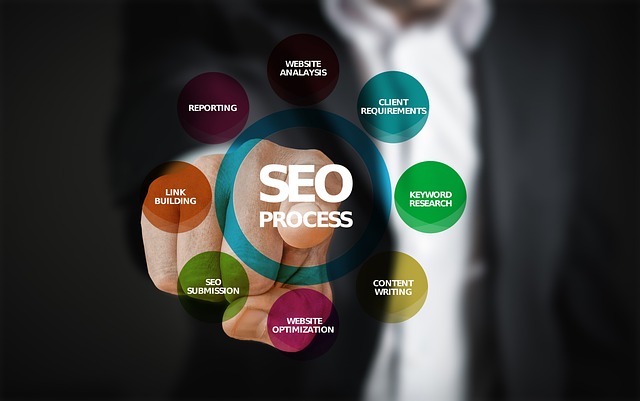
How To Check SEO Performance? – You’ve invested time and resources into optimizing your website for search engines, but how do you truly know if your efforts are paying off? Simply assuming your SEO is working is a dangerous gamble that can lead to wasted expenditure and missed opportunities. This guide will walk you through the systematic process of checking your SEO performance, equipping you with the knowledge and tools to make data-driven decisions and steer your online presence towards sustainable growth.
Gauging Your Visibility: Where Do You Stand in the Search Results?
The most immediate indicator of SEO success is your website’s presence in organic search results. If people are searching for keywords relevant to your business, you need to be found. This section focuses on understanding your ranking and how it fluctuates over time.
Keyword Ranking Analysis
Your keyword rankings are the bedrock of your SEO performance. They tell you which search terms are driving traffic to your site and, crucially, where you appear for those terms.
Tracking Your Primary Keywords
Identify your core keywords – those terms that most accurately describe your products or services and are likely to be used by your target audience. These are your most important metrics. Tools like Google Search Console, SEMrush, Ahrefs, or Moz give you the ability to track your website’s position for these specific keywords. Look for trends. Has your rank for a key term increased, decreased, or remained stable over the past week, month, and quarter? Significant drops can indicate issues with your content, backlinks, technical SEO, or competitor activity.
Monitoring Long-Tail Keyword Performance
While broad keywords might attract high search volume, long-tail keywords (more specific, multi-word phrases) often indicate users with higher purchase intent. Tracking these can reveal niche opportunities and untapped traffic sources. Don’t overlook them in your quest for top rankings. A gradual climb for a well-chosen long-tail keyword can be more valuable than a fleeting appearance for a highly competitive, broad term.
Benchmarking Against Competitors
Understanding your keyword rankings is only half the story. You need to know how you stack up against your direct competitors. Are they consistently outranking you for your most important terms? This insight is crucial for identifying where you need to focus your optimization efforts. Tools like SEMrush and Ahrefs allow you to see your competitors’ keyword rankings, providing a comparative landscape. Analyze the keywords they rank for that you don’t, and vice versa.
Understanding Search Intent
Simply ranking high for a keyword isn’t enough. You must also satisfy the intent behind that search. Users are looking for information, a product to buy, a local business, or a specific website.
Analyzing User Queries
Utilize tools like Google Search Console to see the actual queries people are using to find your website. This data is invaluable for understanding what your audience is searching for and whether your current content aligns with their needs. If you’re ranking for queries that are completely unrelated to your offerings, it suggests a mismatch between your SEO strategy and what users expect.
Matching Content to Intent
Once you understand search intent, you can evaluate whether your content effectively addresses it. For example, if users are searching for “how to choose a CRM,” a blog post offering a comprehensive guide with feature comparisons is more likely to satisfy their informational intent than a product page simply listing your CRM’s features. Regularly review your landing pages and their corresponding search queries to ensure alignment.
Measuring Your Traffic: Are People Actually Clicking Through?
Ranking well is a necessary precursor to driving traffic, but it’s not the ultimate goal. You need to ensure that your presence in the search results is translating into actual visits to your website.
Organic Traffic Analysis
This is the primary metric for assessing the effectiveness of your SEO efforts. You want to see a consistent upward trend in the number of visitors arriving from unpaid search results.
Using Google Analytics
Google Analytics is your indispensable tool for understanding website traffic. Navigate to “Acquisition” > “All Traffic” > “Channels” and select “Organic Search.” Observe the “Users” or “Sessions” metric over time. Look for trends, seasonality, and the impact of any recent SEO campaigns. A sudden dip in organic traffic can signal a technical issue, a penalty, or a significant shift in search engine algorithms.
Identifying Traffic Sources
Within Google Analytics, delve deeper into your organic traffic. Which pages are receiving the most organic visits? Are these the pages you intended to rank for specific keywords? This helps you identify your most successful content and areas where your optimization might be falling short. If a blog post is attracting significant organic traffic, consider how you can leverage that success for other content.
Tracking New vs. Returning Visitors from Organic Search
Understanding the balance between new and returning organic visitors can offer insights into user engagement and brand loyalty. A high proportion of new visitors might indicate successful organic discovery, while a healthy number of returning visitors suggests that your website provides value and encourages repeat engagement.
Click-Through Rate (CTR)
Your CTR is the percentage of users who click on your website link when it appears in the search results. A higher CTR indicates that your title tags and meta descriptions are compelling and relevant to the search query.
Leveraging Google Search Console for CTR Data
Google Search Console provides invaluable CTR data for your keywords. Go to “Performance” and select “Queries.” You can see impressions (how many times your link was shown) and clicks (how many times it was clicked). Calculate your CTR for individual keywords and for your website overall.
Optimizing Title Tags and Meta Descriptions
Are your title tags and meta descriptions accurately reflecting the content of your pages? Are they enticing enough to encourage a click? Test different variations. Experiment with compelling language, keywords, and a clear call to action where appropriate. A slightly longer, more descriptive title tag might outperform a shorter, vaguer one if it better communicates value to the searcher.
Understanding the Impact of Rich Snippets and Featured Snippets
The presence of rich snippets (like star ratings or product information) and featured snippets (the answer boxes at the top of search results) can significantly impact your CTR. If a competitor is occupying a featured snippet for a key term, it might be pulling clicks away from your listing, even if you rank second. Analyzing which of your pages are eligible for and how you can achieve these enhanced results is important.
Evaluating User Engagement: Are Visitors Staying and Interacting?
Getting people to click through is the first hurdle. The next is keeping them engaged once they arrive on your site. High bounce rates and short session durations can indicate that your website isn’t meeting user expectations, even if you’re ranking well.
Bounce Rate and Time on Page
Bounce rate is the percentage of visitors who leave your website after viewing only one page. Time on page, conversely, measures how long visitors spend on a specific page.
Interpreting Bounce Rate
A high bounce rate isn’t always a negative. If a user finds the exact information they need on a single page (e.g., a contact number), they might leave without further interaction, resulting in a “bounce.” However, if your intent is to encourage exploration or conversions, a high bounce rate on key landing pages is a red flag. Analyze your bounce rate by page to identify problem areas. A high bounce rate on a blog post, for instance, might suggest the content is not engaging or doesn’t answer the user’s question comprehensively.
Analyzing Time on Page as a Measure of Content Value
A longer time on page generally suggests that visitors are finding your content valuable and engaging. Compare the time on page for different content formats and topics. If users are spending significantly less time on one page than others, it’s a cue to re-evaluate the content’s depth, readability, and overall appeal. Consider if the content is too dense, too simplistic, or if it fails to hold the reader’s attention.
The Role of Internal Linking in Reducing Bounce Rate
Effective internal linking strategy is crucial for keeping visitors on your site. By strategically linking to other relevant content within your website, you encourage users to explore further, reducing bounce rates and increasing overall engagement. When reviewing a page, ask yourself: “Where else on my site would a visitor interested in this topic want to go next?”
Pages Per Session and Conversion Rates
Pages per session track how many different pages a user views during a single visit. Conversion rates measure how many visitors complete a desired action, such as making a purchase, filling out a form, or subscribing to a newsletter.
Understanding User Journey Flow
Analyzing the “Behavior Flow” report in Google Analytics can illuminate the paths users take through your website. This helps you understand their journey and identify any drop-off points. Are users navigating as you expect them to, or are they getting lost? This can inform your website structure and navigation design.
Setting Up and Tracking Goals in Google Analytics
To accurately measure conversions, you must set up specific goals within Google Analytics. Whether it’s a lead generation form submission, a product purchase, or a download, defining and tracking these goals allows you to quantify the direct impact of your SEO efforts on your business objectives.
Identifying Conversion Bottlenecks
A low conversion rate, even with high organic traffic, can indicate issues with your website’s user experience, calls to action, or the clarity of your value proposition. Examine the user flow for pages that should lead to conversions and identify any points where users are dropping off. This might involve A/B testing different call-to-action buttons or refining the content on your landing pages.
Assessing Technical Health: Is Your Website Search-Engine Friendly?
SEO isn’t just about content and backlinks; it’s also about the technical foundation of your website. A technically flawed website can hinder your ability to rank, regardless of how good your content is.
Website Speed and Mobile-Friendliness
Search engines prioritize websites that offer a fast and seamless user experience, particularly on mobile devices.
Using Google PageSpeed Insights
Google’s PageSpeed Insights tool provides a comprehensive analysis of your website’s loading speed on both desktop and mobile. It offers actionable recommendations for improvement, such as optimizing images, leveraging browser caching, and reducing server response time. Your goal is to achieve consistently high scores.
Testing Mobile Responsiveness
With the majority of internet traffic now coming from mobile devices, a mobile-friendly website is non-negotiable. Use Google’s Mobile-Friendly Test to ensure your site displays and functions correctly on various mobile screen sizes. Issues here can lead to significant ranking disadvantages.
The Impact of Core Web Vitals
Core Web Vitals (Largest Contentful Paint, First Input Delay, and Cumulative Layout Shift) are a set of metrics that Google uses to measure user experience. Optimizing these can directly impact your search rankings. Google Search Console provides insights into your Core Web Vitals performance.
Crawlability and Indexability
Search engines need to be able to crawl and index your website effectively to understand and rank your content.
Checking Your Robots.txt File
The robots.txt file tells search engine crawlers which pages or sections of your website they are allowed to access. Incorrectly configured robots.txt can inadvertently block crucial content from being indexed. Regularly review this file to ensure it’s allowing access to all important pages.
Submitting a Sitemap to Search Engines
An XML sitemap is a roadmap for search engines, helping them discover all the important pages on your website. Ensure you have an up-to-date sitemap and have submitted it to Google Search Console and Bing Webmaster Tools.
Monitoring Crawl Errors in Google Search Console
Google Search Console provides a “Crawl Errors” report that highlights issues search engines encounter when trying to access your site, such as “Not Found” (404) errors or server errors. Addressing these errors promptly is vital for ensuring search engines can properly index your content. A 404 error on a previously ranking page can significantly impact its visibility.
HTTPS and Security
Website security is a ranking factor, and HTTPS ensures that your website’s connection is encrypted and secure.
Verifying Your HTTPS Implementation
Ensure your website is consistently served over HTTPS. Any mixed content (HTTP links on an HTTPS page) can trigger security warnings and negatively impact your SEO. Use online tools to check for mixed content issues.
The Importance of SSL Certificates
An SSL certificate is essential for enabling HTTPS. If your website doesn’t have one, you’re missing out on a crucial ranking signal and potentially deterring users who value security.
Analyzing Backlink Profile: Who is Linking to You and Why?
Backlinks, or inbound links from other websites, act as votes of confidence for your website, signaling to search engines that your content is authoritative and trustworthy. A robust backlink profile is a cornerstone of strong SEO.
Quantity and Quality of Backlinks
It’s not just about having many links; the quality and relevance of those links are paramount.
Using Backlink Analysis Tools
Tools like Ahrefs, SEMrush, and Moz’s Link Explorer allow you to see where your backlinks are coming from. Analyze the domain authority of the linking sites – links from authoritative, relevant websites carry more weight.
Identifying Toxic or Spammy Links
Links from low-quality, spammy, or irrelevant websites can actually harm your SEO. You may need to disavow these links to mitigate their negative impact. Google Search Console’s “Manual Actions” report can alert you to penalties related to unnatural links.
The Relationship Between Backlinks and Domain Authority
Domain Authority (DA), a metric developed by Moz, is a score from 0 to 100 that predicts how well a website will rank on search engine result pages. While not a direct ranking factor used by Google, it’s a useful indicator of a website’s overall link equity and authority. Monitor your DA over time and compare it to your competitors.
Link Velocity and Anchor Text Diversity
The rate at which you acquire backlinks and the variety of anchor text used in those links are also important considerations.
Tracking Link Velocity
Link velocity refers to the speed at which a website is acquiring new backlinks. A steady, gradual increase in backlinks is generally viewed more favorably than sudden, artificial spikes.
The Importance of Diverse Anchor Text
Anchor text is the clickable text of a hyperlink. Using a diverse range of anchor text – including branded terms, generic phrases, and relevant keywords – makes your backlink profile appear more natural to search engines. Over-optimization of anchor text with exact match keywords can be flagged as manipulative.
Analyzing Competitor Backlinks
Understanding your competitors’ backlink strategies can reveal valuable opportunities you might be missing. Identify websites that link to them but not to you. This can be a goldmine for outreach and guest blogging opportunities.
Monitoring Your Competition: Staying Ahead of the Curve
The SEO landscape is constantly evolving, and your competitors are often actively optimizing their own websites. Regular competitive analysis is crucial for staying informed and adapting your strategy.
Competitor Keyword Rankings and Content Gaps
Understanding what your competitors are doing well can inform your own strategy and highlight areas where you can improve.
Identifying Top-Performing Competitors
Determine who your primary SEO competitors are. These are websites that rank for the same keywords as you and target a similar audience.
Analyzing Competitor Keyword Strategies
Use competitive analysis tools to see which keywords your competitors are ranking for that you are not. This can reveal keyword opportunities you might have overlooked or areas where their content is stronger.
Discovering Content Gaps
By comparing your content to that of your competitors, you can identify “content gaps” – topics or keywords that your competitors are covering effectively, but you are not. Filling these gaps can attract new audiences and improve your overall SEO performance. This could involve creating more in-depth guides, addressing specific user questions, or offering a unique perspective.
Competitor Backlink Acquisition and Technical SEO
Beyond content, observing your competitors’ technical SEO and backlink strategies can provide valuable insights.
Examining Competitor Backlink Profiles
As mentioned earlier, analyzing competitor backlinks can reveal high-quality linking opportunities. See where they are acquiring links from and consider if similar outreach efforts would be fruitful for your website.
Assessing Competitor Website Speed and Mobile-Friendliness
If your competitors have significantly faster websites or a superior mobile experience, this could be contributing to their higher rankings. Use tools like PageSpeed Insights to assess their technical performance and identify areas for improvement on your own site.
Monitoring Competitor Site Structure and Navigation
A well-structured and easily navigable website can enhance user experience and improve crawlability. Observe how your competitors organize their content and present information. This can inform your own website architecture and user flow.
By systematically checking these key areas, you gain a comprehensive understanding of your SEO performance. This data-driven approach empowers you to identify strengths, pinpoint weaknesses, and make informed decisions to continuously optimize your website for sustainable growth in the competitive online landscape. Remember, SEO is an ongoing process, not a one-time fix, and regular monitoring and adaptation are the keys to long-term success.

Juan is a Digital Advertising / SEM Specialist with over 10 years of experience with Google AdWords, Bing Ad Center, Facebook, LinkedIn, Google Analytics, HTML, and WordPress. He is a co-founder of Sheaf Media Group and has work in several online advertising projects for retail, automotive, and service industries. Additionally, Juan holds a bachelor’s degree in Psychology and has a deep interest in the science of human behavior which he attributes as the key factor for his success in the advertising world.