


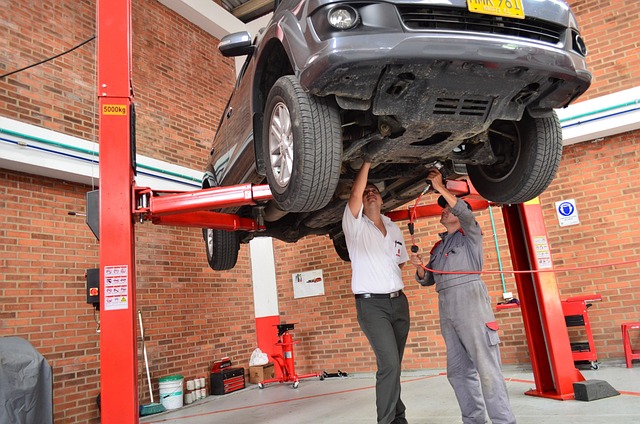
The auto repair industry is booming. With over 276 million registered vehicles in the United States alone, shop owners have unprecedented opportunities to scale their businesses.
But here’s the challenge: competition is fiercer than ever. Independent shops compete against dealerships, franchises, and mobile mechanics for the same customers.
Learning how to grow auto repair business operations isn’t just about working harder. It’s about working smarter with proven strategies that attract more customers, increase revenue, and build lasting success.
This guide reveals 17 actionable strategies that successful shop owners use to dominate their local markets. Whether you’re running a single bay or multiple locations, these tactics will transform how you approach growth.
Understanding how to grow auto repair business revenue starts with the right foundation. From digital marketing to customer experience, we’ll cover everything you need to take your shop to the next level.
The best part? You don’t need a massive budget to implement these strategies. Many require nothing more than time, consistency, and commitment to excellence.
Ready to discover how to grow auto repair business profits and build the shop you’ve always dreamed of? Let’s dive into the proven tactics that separate thriving shops from struggling ones.
Why Learning How to Grow Auto Repair Business Matters in 2026
The automotive service landscape has changed dramatically in recent years. Consumer expectations have shifted, technology has advanced, and new competitors enter the market daily.
Shop owners who master how to grow auto repair business operations position themselves for long-term success. Those who resist change risk becoming obsolete.
The average age of vehicles on the road continues to increase, currently sitting at 12.5 years. This means more repair opportunities than ever before.
However, vehicles are also becoming more complex. Electric vehicles, advanced driver assistance systems, and computerized diagnostics require new skills and equipment.
Understanding how to grow auto repair business strategies helps you adapt to these changes. It’s not just about survival—it’s about thriving in an evolving industry.
The shops that grow are those that invest in their people, processes, and customer relationships. They embrace technology while maintaining the personal touch that keeps customers loyal.
Market research shows that independent auto repair shops hold a significant market share. But maintaining that position requires constant innovation and improvement in how you operate your business.
Strategy #1 – Optimize Your Customer Experience
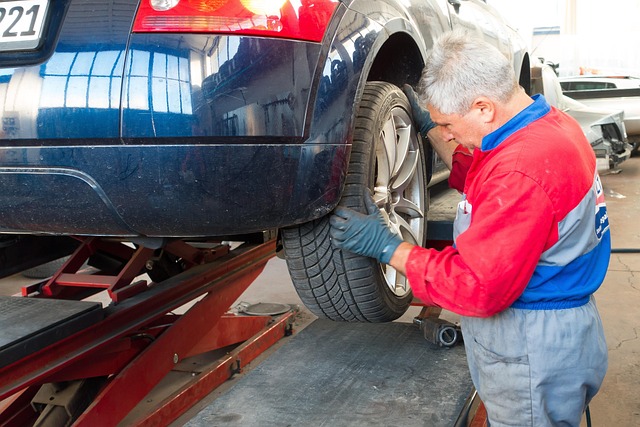
Your waiting area is more than just a room with chairs. It’s where customers form lasting impressions about your business.
Create a comfortable, clean space with amenities like free Wi-Fi, coffee, and charging stations. These small touches show you value their time and comfort.
Communication transparency builds trust. Use text messages or apps to send real-time updates about repair progress, unexpected issues, and completion times.
Offer courtesy services that make life easier. Shuttle services, loaner vehicles, or partnerships with ride-sharing companies demonstrate customer-first thinking.
Follow-up procedures separate good shops from great ones. Call customers a few days after service to ensure satisfaction and address any concerns immediately.
Train your service advisors to explain repairs in simple terms. Avoid technical jargon that confuses customers and creates distrust.
Consider implementing a customer feedback system. Quick surveys after each visit provide valuable insights into what you’re doing right and where you can improve.
Strategy #2 – Digital Marketing Strategies: How to Grow Auto Repair Business Online
Digital marketing is essential for anyone learning how to grow auto repair business revenue in today’s connected world. Your online presence directly impacts your bottom line.
Most customers search online before choosing an auto repair shop. If you’re not visible where they’re looking, you’re losing business to competitors who are.
Effective auto repair advertising combines multiple channels to reach customers at different stages of their decision-making process.
Build a Professional Website
Your website is your digital storefront. It needs to load quickly, look professional, and provide the information customers need to choose your shop.
Mobile optimization isn’t optional anymore. Over 60% of searches happen on smartphones, so your site must work flawlessly on small screens.
Include clear calls-to-action on every page. Make it easy for visitors to book appointments, call your shop, or request quotes.
Service pages should target specific repairs. Create dedicated pages for brake service, oil changes, transmission repair, and other key services you offer.
If budget is a concern, explore options for free website design for business to get started without breaking the bank.
How to Grow Auto Repair Business Through Google My Business
Google My Business is the most powerful free tool for local businesses. Optimizing your profile helps you appear in local search results and Google Maps.
Add high-quality photos of your shop, team, and work. Listings with photos receive 42% more requests for directions and 35% more clicks to websites.
Post regular updates about promotions, services, and company news. Active profiles rank higher than neglected ones.
Respond to every review, both positive and negative. This shows potential customers that you care about feedback and value client relationships.
Keep your business hours, phone number, and address accurate. Inconsistent information confuses customers and hurts your search rankings.
Social Media Marketing for Auto Shops
Choose platforms where your customers spend time. Facebook and Instagram work well for most auto repair shops.
Share before-and-after photos of repairs. Visual content generates more engagement than text-only posts.
Educational content builds authority. Post quick tips about car maintenance, warning signs of common problems, and seasonal preparation advice.
Run targeted ads to reach local car owners. Social media advertising allows precise targeting based on location, age, vehicle ownership, and interests.
Engage with your followers by responding to comments and messages promptly. Social media is about building relationships, not just broadcasting messages.
Strategy #3 – Master Local SEO
Local SEO helps customers in your area find your shop when they search online. It’s one of the most cost-effective ways to attract new business.
Target location-specific keywords in your website content. Include your city, neighborhood, and nearby landmarks in service descriptions and blog posts.
NAP consistency (Name, Address, Phone) across all online directories improves your search rankings. Ensure your business information matches exactly on every platform.
Build local links by partnering with other businesses, sponsoring community events, and getting featured in local news publications.
List your business in automotive directories, local chambers of commerce, and industry associations. These citations strengthen your local presence.
Create neighborhood-specific content that addresses local concerns. Write about preparing vehicles for local weather conditions or serving specific communities.
Encourage customers to mention your location in their reviews. Geographic references in reviews boost your local search visibility.
Strategy #4 – Expand Your Service Offerings
Analyze gaps in your local market. What services do customers need that competitors aren’t providing well?
Specialization opportunities exist in emerging vehicle technologies. Electric vehicle service, hybrid repair, and diesel maintenance represent growing markets.
Pursue certifications that differentiate your shop. ASE certification, manufacturer-specific training, and specialized equipment demonstrate expertise.
Calculate equipment ROI carefully before major investments. New diagnostic tools and specialized equipment should pay for themselves within a reasonable timeframe.
Consider adding maintenance services beyond repairs. Oil changes, tire rotation, and routine inspections bring customers in regularly and build relationships.
Fleet maintenance services can provide steady, predictable revenue. Commercial accounts often need reliable partners for maintaining multiple vehicles.
Strategy #5 – Implement a Customer Retention Program
Acquiring new customers costs five times more than retaining existing ones. Smart retention programs maximize customer lifetime value.
Design loyalty programs that reward repeat business. Points-based systems, discounts for referrals, or exclusive member benefits keep customers coming back.
Automated maintenance reminder systems ensure customers don’t forget important services. Email or text reminders based on mileage or time intervals show you care about their vehicle’s health.
Email marketing campaigns keep your shop top-of-mind. Share maintenance tips, seasonal promotions, and company updates to maintain regular contact.
Exclusive member benefits create VIP experiences. Priority scheduling, extended warranties, or special pricing for loyalty program members increase perceived value.
Track customer visit frequency and reach out to those who haven’t returned. A simple “we miss you” message with a special offer can reactivate lapsed customers.
Personalize your communications based on customer history. Reference their specific vehicle and past services to show attention to detail.
Strategy #6 – Build a High-Performance Team
Your team makes or breaks your business. Hiring skilled technicians and training them properly is essential for growth.
Develop clear hiring criteria that go beyond technical skills. Look for technicians who communicate well, show integrity, and align with your company values.
Ongoing training programs keep your team current with evolving technology. Budget for regular education, certification courses, and manufacturer training.
Incentive structures motivate peak performance. Consider productivity bonuses, profit-sharing, or performance-based pay increases.
Culture development creates a workplace where people want to stay. Recognize achievements, celebrate wins, and foster an environment of respect and teamwork.
Invest in your service advisors as much as your technicians. They’re the face of your business and directly impact customer satisfaction.
Strategy #7 – Target Fleet and Commercial Accounts
Commercial accounts provide stable, recurring revenue that smooths out seasonal fluctuations in consumer business.
B2B prospecting requires a different approach than consumer marketing. Attend business networking events, join industry associations, and directly contact fleet managers.
Contract negotiation tips: offer volume discounts, guaranteed turnaround times, and dedicated service advisors for commercial accounts.
Fleet service best practices include flexible scheduling, detailed reporting, and proactive maintenance recommendations that minimize downtime.
Partnership opportunities exist with delivery services, construction companies, and property management firms that maintain vehicle fleets.
Create commercial service packages that simplify budgeting for business clients. Fixed monthly rates for maintenance make financial planning easier.
Strategy #8 – Leverage Online Reviews and Reputation Management
Online reviews influence 93% of consumers’ purchasing decisions. Your reputation directly impacts your ability to attract new customers.
Review generation systems make collecting feedback automatic. Send review requests via email or text immediately after service completion.
Response protocols ensure every review receives attention. Thank customers for positive reviews and address concerns in negative ones professionally.
Platform prioritization matters because customers check different sites. Focus on Google, Facebook, and Yelp as primary review platforms.
Turning negative reviews positive demonstrates your commitment to customer satisfaction. Respond quickly, acknowledge issues, and offer to make things right.
Never ignore negative feedback. Unaddressed complaints signal that you don’t care about customer experiences.
Showcase positive reviews on your website and social media. Testimonials build trust with potential customers researching your shop.
Strategy #9 – Optimize Your Pricing Strategy
Competitive analysis helps you understand the local market. Research what competitors charge, but don’t automatically match their prices.
Value-based pricing focuses on the worth of your service, not just parts and labor costs. Quality work, expertise, and customer service justify premium pricing.
Package deals and bundling increase transaction values. Combine related services at a slight discount to encourage customers to purchase more.
Transparent estimates build trust. Provide detailed breakdowns showing parts, labor, and why each service is necessary.
Don’t compete solely on price. The cheapest shop rarely builds a sustainable business or attracts quality customers.
Consider tiered pricing options for different service levels. Good, better, best approaches let customers choose based on their budget and needs.
Strategy #10 – Invest in Shop Management Technology
Modern shop management software streamlines operations and improves efficiency. The right tools free up time to focus on growth.
Software selection criteria should include ease of use, integration capabilities, reporting features, and customer support quality.
Inventory management systems prevent stockouts and reduce excess inventory. Automated ordering ensures you have parts when needed without tying up capital.
Diagnostic tools upgrades improve accuracy and speed. Modern equipment pays for itself through increased efficiency and expanded service capabilities.
Payment processing modernization includes contactless payments, digital invoicing, and online payment options. Make it easy for customers to pay how they prefer.
Integration between systems eliminates double-entry and reduces errors. Connect your shop management software with accounting, marketing, and CRM tools.
Strategy #11 – Create Referral and Partnership Programs
Customer referral incentives turn satisfied clients into active promoters. Offer discounts, free services, or gift cards for successful referrals.
Strategic partnerships with dealerships create win-win relationships. Dealers often refer warranty-expired customers to trusted independent shops.
Insurance company partnerships can drive steady business. Get on preferred provider lists and offer direct billing to make the claims process easier.
Cross-promotion opportunities with complementary businesses expand your reach. Partner with car washes, detail shops, or tire retailers.
Affiliate programs with automotive retailers or parts suppliers create additional revenue streams while adding value for customers.
Document your partnership agreements clearly. Define expectations, referral fees, and service standards to avoid misunderstandings.
Strategy #12 – Develop Educational Content Marketing
Educational content positions you as an expert and attracts customers actively researching auto maintenance. Quality content builds trust before customers ever visit your shop.
Blog topics that attract customers include “how-to” guides, symptom explanations, and maintenance schedules for popular vehicle makes and models.
Video content creation doesn’t require expensive equipment. Use a smartphone to film simple explanations of common repairs or maintenance tips.
Seasonal maintenance guides help customers prepare vehicles for weather changes. Create content around winter preparation, summer heat protection, and road trip readiness.
DIY vs. professional content balance shows you’re helpful, not just self-promotional. Explain which tasks owners can handle and when professional service is necessary.
Repurpose content across multiple platforms. Turn blog posts into social media content, videos into blog transcripts, and customer questions into FAQ pages.
Strategy #13 – Optimize Your Physical Location

Signage visibility impacts how many people discover your shop. Ensure your sign is clear, well-lit, and visible from the street.
Curb appeal improvements create positive first impressions. Keep your lot clean, landscaping maintained, and building exterior in good repair.
Bay efficiency layout maximizes productivity. Organize tools, parts, and equipment to minimize wasted time and movement.
Accessibility considerations ensure all customers can use your services. Provide adequate parking, wheelchair-accessible facilities, and clear pathways.
Exterior lighting improves safety and visibility during early morning or evening hours. Well-lit facilities feel more welcoming and secure.
Strategy #14 – Implement Data-Driven Decision Making
KPIs to track include average repair order value, customer retention rate, bay utilization, and gross profit margin. What gets measured gets improved.
Dashboard creation puts critical metrics at your fingertips. Visual displays of key data help you spot trends and make informed decisions quickly.
Customer analytics reveal patterns in service history, seasonal trends, and vehicle types you serve most. Use this data to target marketing and inventory decisions.
Service profitability analysis shows which repairs generate the best margins. Focus on promoting and excelling at your most profitable services.
Use tools like Zapier to automate data collection and reporting between different software platforms.
Strategy #15 – Network Within Your Community
Chamber of commerce involvement connects you with other business owners and community leaders. These relationships lead to referrals and partnership opportunities.
Local sponsorships increase brand visibility. Sponsor youth sports teams, community events, or charity fundraisers to demonstrate community commitment.
Community events participation shows you’re invested in more than just profits. Participate in car shows, safety fairs, or educational programs.
Charitable initiatives build goodwill and demonstrate values. Partner with local charities, offer discounted services to those in need, or donate to community causes.
Attend local business mixers and networking events regularly. Consistent presence builds recognition and relationships over time.
Strategy #16 – Offer Financing and Payment Options
Third-party financing partnerships remove price barriers for customers facing unexpected repairs. Programs like Synchrony or GreenSky make expensive repairs affordable.
Payment plans structure allows customers to spread costs over time. Offer in-house payment arrangements for trusted customers who need flexibility.
Digital payment acceptance includes mobile wallets, contactless cards, and online payment portals. Modern payment options improve convenience and speed.
Transparency in billing prevents disputes and builds trust. Provide detailed invoices showing exactly what customers are paying for.
Communicate financing options proactively. Train service advisors to mention payment alternatives when presenting estimates over certain amounts.
Strategy #17 – Plan for Scalability and Growth
Multi-location strategies require careful planning and systems documentation. Before expanding, ensure your first location runs smoothly without your constant presence.
Franchising considerations include brand protection, training systems, and support infrastructure. Franchising can accelerate growth but requires significant upfront investment.
Exit planning should begin years before you intend to sell. Build a business that can operate without you to maximize value.
Succession planning ensures business continuity. Identify and develop future leaders within your organization or family.
Document all processes and procedures. Systematic operations make scaling easier and increase business value for potential buyers.
Conclusion: Your Roadmap to Success
Learning how to grow auto repair business operations requires commitment to continuous improvement. The strategies outlined here provide a comprehensive roadmap for sustainable growth.
Start by prioritizing strategies that address your biggest challenges or opportunities. You don’t need to implement everything at once.
Focus on customer experience, digital presence, and operational efficiency first. These foundational elements support all other growth initiatives.
For more detailed guidance, explore these 11 ways to grow your auto repair shop that dive deeper into specific tactics.
Take action today on at least one strategy. Whether it’s optimizing your Google My Business profile, implementing a review request system, or upgrading your waiting area, small steps create momentum.
Remember that mastering how to grow auto repair business success is a journey, not a destination. The most successful shop owners never stop learning, adapting, and improving.
Your competition is implementing these strategies right now. The question isn’t whether you can afford to invest in growth—it’s whether you can afford not to.
The future belongs to shop owners who embrace change, prioritize customer relationships, and build businesses that deliver exceptional value. With these 17 strategies, you have everything you need to join their ranks.

Juan is a Digital Advertising / SEM Specialist with over 10 years of experience with Google AdWords, Bing Ad Center, Facebook, LinkedIn, Google Analytics, HTML, and WordPress. He is a co-founder of Sheaf Media Group and has work in several online advertising projects for retail, automotive, and service industries. Additionally, Juan holds a bachelor’s degree in Psychology and has a deep interest in the science of human behavior which he attributes as the key factor for his success in the advertising world.