



Introduction
If you’re researching how to start mechanic shop, you’re already ahead of most people—because the auto repair world rewards planning more than hype. Cars keep getting more complex, drivers keep their vehicles longer, and everybody still needs someone they trust when the check-engine light pops on at the worst possible time. That steady demand is why a well-run shop can be incredibly profitable… and why a poorly planned shop can burn cash fast.
The difference usually isn’t talent with a wrench. It’s the basics: clear pricing, clean processes, the right location, the right licenses, and marketing that makes you the “default” choice in your area. In other words, the business side matters just as much as the technical side.
This guide breaks down how to start mechanic shop the practical way: nine proven steps you can follow in order. You’ll learn how to write a business plan that makes lenders take you seriously, how to set up your legal and insurance foundation, how to choose a location that feeds you consistent work, what equipment to prioritize, how to hire and retain great techs, and how to launch marketing that drives bookings without relying on discounts forever. We’ll finish with software, financing, and a simple launch checklist that keeps the first week from turning into chaos.
Before we jump in, keep one reality in mind: a shop becomes profitable when you control three levers—labor efficiency, parts margin, and customer trust. If you treat every job like a one-off, you’ll always feel behind. If you build repeatable systems, you’ll scale faster than competitors who rely on luck and “busy seasons.”
Think of this as a blueprint you can print, highlight, and use as a checklist—so when you open your doors, you’re not guessing. You’re executing.
Step 1: Drafting a Comprehensive Business Plan
A mechanic shop without a plan is basically a pile of tools with rent attached. Your business plan doesn’t need to be fancy, but it does need to be specific enough that you can make decisions quickly when money gets tight. Start with your niche. Are you doing general repair, quick maintenance, collision support, diesel work, specialty imports, or a high-end diagnostic-focused shop?
Next, do a real market scan. List competitors nearby, read their reviews, and note what customers praise or complain about. You’re looking for gaps—like Saturday hours, faster diagnostics, or better communication. That gap becomes your advantage.
Your plan should also include your UVP (unique value proposition). The best UVPs are simple promises you can actually keep, like “same-day diagnostics,” “photos of every recommended repair,” or “transparent pricing before work begins.” If you’re mapping out how to start mechanic shop operations that feel premium, build that transparency into the plan from day one.
Define a simple service menu and pricing guardrails: target effective labor rate, diagnostic fee policy, and a few core maintenance packages. Many new owners copy competitors without understanding their own costs. A good plan makes how to start mechanic shop pricing decisions easier by forcing the math.
Finally, write the numbers. Estimate the monthly fixed costs (rent, utilities, software, insurance, loan payments) and your break-even point. Then estimate realistic capacity: how many billable hours per bay per day, and at what effective labor rate? If your plan doesn’t pencil out on paper, it won’t magically pencil out once you’re paying payroll.
One more tip: treat your plan as a living document. When you learn something new about your market—like a fleet account opportunity or a competitor’s weakness—update it. The more you refine it, the easier how to start mechanic shop decisions become, because you’re not starting from scratch each time.
Step 2: Navigating Legal Requirements and Licenses
You can be the best technician in town and still get crushed by paperwork if you ignore the legal side. Start by choosing a business structure. Many owners pick an LLC because it can separate personal assets from business liabilities, but your best move depends on your taxes and risk profile. A local CPA or small business attorney is worth the fee here.
Once the entity is set up, get your EIN (Employer Identification Number) so you can open a business bank account, pay employees, and build credit under the business name.
Now the shop-specific stuff. Depending on your state and city, you may need a repair dealer license, tax permits, signage permits, and environmental compliance for fluids and hazardous waste. Plan for proper oil disposal, coolant handling, and battery recycling. Many areas also expect documented procedures for storing chemicals and preventing spills. If you’re learning how to start mechanic shop the safe, professional way, put these procedures in writing and train the team from day one.
Insurance isn’t optional, either. At minimum, you’re looking at general liability and garage keepers coverage (to protect customer vehicles in your care). If you’re financing equipment or leasing a building, the lender or landlord will usually require specific coverage limits. Thinking through how to start mechanic shop compliance early keeps you from losing weeks later to failed inspections, delayed openings, or “surprise” requirements.
Also, consider certifications. ASE certification isn’t always legally required, but it’s a trust multiplier. Even if you’re not personally turning every wrench, building a shop staffed with certified techs can justify higher rates and reduce comebacks. And comebacks are expensive—financially and reputationally. When you’re mapping how to start mechanic shop operations, plan your certifications and training like you would any other investment.
Location Strategy: How to Start Mechanic Shop in the Right Spot
Location is marketing you pay for every month, so choose carefully. Start with the customer you want. A shop built for commuters needs easy access and strong visibility. A shop aimed at fleet clients may care more about proximity to industrial parks and wide vehicle access. Check household income, vehicle age, and the number of registered cars in the surrounding area.
Traffic patterns matter, but “busy road” isn’t everything. You need the right kind of traffic: people who can safely pull in, park, and see your signage. If the driveway is awkward or the lot is cramped, customers will avoid you even if your reviews are perfect.
Then look at bay requirements. How many lifts do you need to hit your break-even? A good rule is to start lean but not cramped: enough bays to keep work flowing, with room for storage and a clean customer area. If you’re planning heavy diagnostic or electrical work, make sure you have stable power, adequate lighting, and the ventilation you need.
Leasing vs. buying is usually a cash-flow decision. Leasing reduces upfront capital but can limit renovations. Buying builds equity but locks you into a location and requires bigger financing. For many owners figuring out how to start mechanic shop growth without drowning in debt, leasing a solid space first is a safer play.
Before signing, confirm what improvements you’re allowed to make (lifts, ventilation, signage, lighting) and who pays for them. If you’re serious about how to start mechanic shop the smart way, your lease should prevent surprise costs and leave room to expand.
Finally, confirm zoning and restrictions. Some areas limit noise, signage, or chemical usage. Ask about operating hours, hazardous waste rules, and whether you can add lifts, ventilation, or exterior lighting. The “perfect” building is useless if you can’t legally operate the way you need.
In the end, the right spot is the one that supports your service model, fits your budget, and makes it easy for customers to choose you without thinking.
Step 4: Acquiring Essential Tools and Equipment
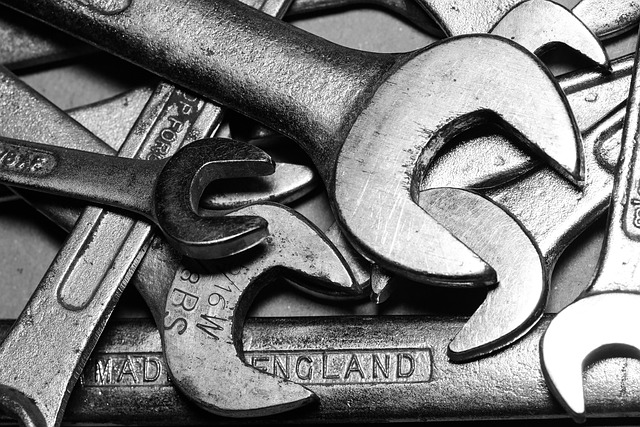
Equipment is one of the biggest startup costs, so prioritize what generates revenue fast. Start with the “big ticket” essentials: lifts, a quality diagnostic scanner, air compressor, tire machine, and balancing equipment if you’re doing tires. Don’t buy everything at once. Build your inventory based on the work you’re targeting and the vehicles you expect to see most.
A smart approach is to create a tiered equipment list:
- Must-have on day one (you can’t open without it)
- Should-have within 90 days (improves speed and quality)
- Nice-to-have later (specialty tools that support expansion)
Hand tools matter, too, especially duplicates. A shop runs smoother when techs aren’t waiting for the same torque wrench or scan tool. Plan storage and organization early. Shadow boards, labeled drawers, and a clear check-in/check-out system reduce tool loss and wasted time.
If cash is tight, consider leasing major equipment. Leasing can protect your runway while you build consistent volume. Just make sure the monthly payments fit your break-even math. Also, be realistic about subscriptions: modern scan tools, programming access, and service information can add a real monthly cost.

Customer comfort also counts as “equipment” in a way. A clean waiting area with Wi-Fi, coffee, and clear communication can turn a first-time visitor into a loyal client. People remember how you made them feel. And that matters when you’re building a reputation.
When you’re planning how to start mechanic shop operations, think about speed and consistency. The right tools reduce diagnosis time, prevent mistakes, and increase billable hours without burning out your team. Done right, equipment pays for itself in throughput. And when you’re budgeting how to start mechanic shop costs, prioritize tools that remove bottlenecks—because bottlenecks are where profit disappears.
Step 5: Hiring Certified Technicians and Staff
Your first hires shape your shop’s identity. Skilled, honest techs create trust; sloppy techs create comebacks and bad reviews. If you can, hire or contract at least one ASE-certified technician early—even if it means paying slightly above market. Quality work lowers warranty headaches and makes your entire shop more marketable.
Don’t overlook the service advisor. In many shops, the advisor is the profit lever: they set expectations, explain recommendations, and keep jobs moving. A great advisor improves ARO (average repair order) without being pushy, because they communicate value clearly. If you’re mapping out how to start mechanic shop success long-term, invest in the front counter just as much as the back shop.
Recruiting is easier when you’re specific: clean bays, consistent hours, modern tooling, and zero shady upsells. Ask suppliers and trade schools for referrals, then interview with real scenarios (diagnose a no-start, explain a comeback). That approach helps how to start mechanic shop hiring feel like a process, not a gamble.
Set up payroll and HR basics before you hire. That means clear job descriptions, pay ranges, and performance metrics. For techs, consider a structure that rewards productivity and quality, not just speed. Flat-rate systems can work, but only if your workflow supports it and you track comebacks carefully.
Culture is your retention strategy. Great techs have options. If your bays are organized, parts show up on time, estimates are clear, and you don’t tolerate shady upsells, you’ll keep good people. Create a simple standard: honest diagnostics, documented recommendations, and respect for the customer’s budget. Over time, how to start mechanic shop culture becomes a competitive advantage that’s hard to copy.
Also, create a training rhythm. Even a short weekly huddle to review common failures, new vehicle tech, and safety reminders builds consistency. Over time, that consistency becomes your brand.
Marketing 101: How to Start Mechanic Shop Growth Campaigns
Marketing isn’t “ads.” Marketing is making it easy for the right customers to find you, trust you, and book. Start with a website that converts: clear services, strong reviews, transparent messaging, and a big “Book Appointment” button. Add online booking if possible, because many customers prefer scheduling without calling. Make sure your site loads fast and looks great on mobile. Set a simple opening script for calls so every customer gets consistent answers.
Next, lock down local SEO. Claim and complete your Google Business Profile, choose the right categories, add service areas, and upload real photos of your shop. Ask happy customers for reviews consistently—ideally right after pickup when the experience is fresh. Reviews are gasoline for local search, and local search is where most new customers start. If you’re learning how to start mechanic shop marketing from scratch, this is the first lever to pull.
Consider a simple “trust stack” on every marketing asset: your certifications, warranty, inspection photos, and clear messaging about estimates and approvals. Trust reduces price shopping. And trust is what lets you raise rates without losing the right customers—which is a core part of how to start mechanic shop growth without living on discounts.
Traditional marketing can still work, especially when targeted. Direct mailers to nearby zip codes can drive first-time visits, particularly if you position the offer as a “new customer inspection” or “diagnostic credit” instead of a cheap oil change. The goal is to start a relationship, not attract bargain hunters who never return.
Build referral momentum, too. A simple referral bonus—like a small credit for both the referrer and the new customer—can compound quickly in tight communities.
To make your campaigns measurable, track calls, form submissions, and bookings. Even basic tracking helps you see what’s working so you can invest more in the channels that actually produce jobs. If you want marketing to feel predictable, measurement is non-negotiable.
At the end of the day, how to start mechanic shop growth is about trust at scale. Your marketing should feel like an invitation, not a trick.
Step 7: Implementing Shop Management Software
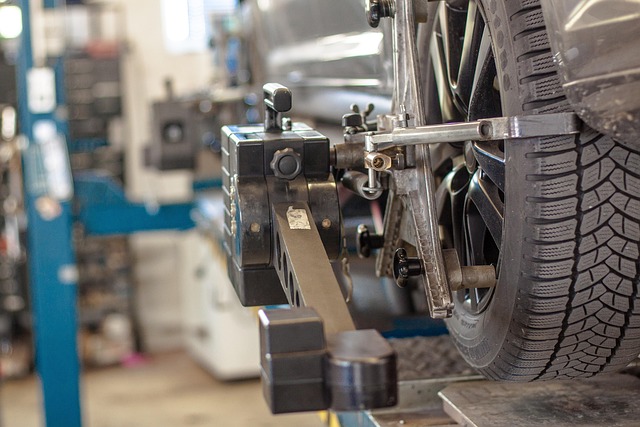
Running a modern shop on sticky notes is a slow-motion leak. Shop management software helps you quote faster, track parts, manage labor, and keep customers in the loop. Even a simple system can reduce mistakes and free up hours every week.
Look for features that match your workflow:
- Digital inspections with photos and approvals
- Estimates and invoices that are easy to understand
- Inventory and parts ordering integrations
- Labor time guides and job tracking
- Payment processing and financing options
CRM features matter more than people think. Automated reminders for oil changes, tire rotations, and major mileage services bring customers back without you constantly “selling.” That repeat business is the foundation of predictable revenue.
A good system also improves accountability. You can see bottlenecks, track productivity by bay, and measure comebacks. If you’re trying to master how to start mechanic shop operations efficiently, software is the control panel that lets you run the business instead of letting the business run you.
Also, set up templates. Standard inspection notes, estimate language, and follow-up messages keep your communication consistent when the shop gets busy. Consistency is a quiet superpower in how to start mechanic shop execution, because it reduces mistakes while improving the customer experience.
Start with one platform, train everyone thoroughly, and keep the process consistent. The tool only works if the team actually uses it.
Step 8: Managing Finances and Funding
Most new shops underestimate startup costs. Between lease deposits, insurance, signage, tools, lifts, software, initial inventory, and working capital, it’s common to land in the $50,000 to $100,000+ range—sometimes more depending on your market. Build a conservative budget with a buffer, because surprises are guaranteed.
For funding, consider traditional bank financing, SBA loans, equipment financing, or a mix. SBA-backed options can be attractive for new owners because they’re designed to support small business growth. The SBA loan programs page outlines options and eligibility, helping you choose financing that fits your plan quickly.
Cash flow in the first six months is the real boss fight. You’ll have fixed expenses before you have predictable volume. Track weekly cash flow, not just monthly profit. Keep an eye on parts margins, labor efficiency, and how fast you collect payments. The cleaner your systems, the easier how to start mechanic shop scaling becomes without constantly tapping credit.
Build financial habits early: reconcile accounts monthly, set aside tax money, and watch your key ratios (gross profit, labor utilization, and effective labor rate). When you understand the numbers, how to start mechanic shop decisions stop feeling emotional and start feeling strategic.
If you can, build a small reserve before opening. Even a few extra weeks of runway can keep you calm enough to make smart decisions instead of panic moves.
Step 9: Launch Day and Grand Opening
Your grand opening should feel like a community moment, not a hard sell. Invite neighbors, local businesses, and nearby fleet managers. If you have room, host a small event with a simple giveaway, free vehicle health checks, or a short “car care basics” session. The goal is to create conversations and visibility. Keep safety signage visible, and make cleanliness a daily habit.
Offer a launch promotion, but keep it sustainable. Instead of deep discounts that attract one-and-done customers, consider a “new customer inspection package,” a small credit toward a repair, or a bundled maintenance offer. Make sure every visitor leaves with a clear next step: a quote, a follow-up appointment, or a reminder schedule.
Get reviews immediately. Ask customers at pickup, send a follow-up text or email, and make the review process frictionless. Those early reviews are the foundation of your Google visibility.
Also, collect feedback. If your waiting room needs better signage or your booking process confuses people, fix it in week one. The faster you tighten your experience, the faster word-of-mouth starts working for you.
Conclusion
Opening a shop is a big move, but it’s not mysterious. When you follow a clear sequence—plan, legalize, choose the right location, buy the right tools, hire well, market consistently, run tight systems, manage cash, and launch with confidence—you dramatically raise your odds of success.
If you keep coming back to the fundamentals of how to start mechanic shop the right way, you’ll build a business that customers trust and employees want to stay in. Start today by writing your business plan, estimating your break-even point, and outlining your first 90 days. The sooner you turn ideas into a checklist, the sooner you can turn a bay into a profitable, reliable operation—and make how to start mechanic shop your next real win.

Juan is a Digital Advertising / SEM Specialist with over 10 years of experience with Google AdWords, Bing Ad Center, Facebook, LinkedIn, Google Analytics, HTML, and WordPress. He is a co-founder of Sheaf Media Group and has work in several online advertising projects for retail, automotive, and service industries. Additionally, Juan holds a bachelor’s degree in Psychology and has a deep interest in the science of human behavior which he attributes as the key factor for his success in the advertising world.