


Marketing Planning Process Framework – In today’s competitive business landscape, success hinges on having a well-structured approach to marketing. A comprehensive marketing planning process framework serves as the backbone of effective marketing initiatives, transforming scattered ideas into cohesive strategies that drive measurable results. Whether you’re launching a startup or scaling an established enterprise, implementing a systematic framework ensures your marketing efforts align with business objectives while maximizing return on investment.
This guide will walk you through creating and implementing a robust marketing planning framework that adapts to your unique business needs. From initial analysis to ongoing optimization, you’ll discover practical strategies, real-world examples, and actionable templates to streamline your marketing planning process.
What is a Marketing Planning Process Framework?
Definition and Core Purpose
A marketing planning process framework is a structured methodology that guides organizations through the systematic development, implementation, and evaluation of marketing strategies. This framework serves as a roadmap, outlining the sequential steps and essential components needed to create comprehensive marketing plans that align with broader business objectives.

At its core, this framework transforms abstract marketing concepts into concrete, actionable plans. It provides a standardized approach that ensures consistency across marketing initiatives while remaining flexible enough to accommodate industry-specific requirements and changing market conditions. The framework encompasses everything from initial market research and strategic planning to tactical execution and performance measurement.
The primary purpose extends beyond mere organization. It creates a common language and understanding across departments, facilitating better collaboration between marketing teams, sales departments, product development, and executive leadership. This unified approach ensures all stakeholders work toward shared goals with clearly defined roles and responsibilities.
Why Your Business Needs a Structured Framework
Operating without a structured marketing framework is like navigating without a compass. Businesses that implement formal planning frameworks experience improved resource allocation, better team alignment, and more predictable outcomes. The framework eliminates guesswork and reactive decision-making, replacing them with data-driven strategies and proactive planning.
A well-designed framework brings clarity to complex marketing environments. It helps teams prioritize initiatives based on strategic importance rather than urgency, ensuring long-term goals don’t get overshadowed by immediate demands. This strategic focus leads to more efficient use of marketing budgets and better return on marketing investments.
Furthermore, structured frameworks create accountability throughout the organization. With clearly defined processes, milestones, and success metrics, teams can track progress objectively and make informed adjustments. This transparency builds confidence among stakeholders and creates a culture of continuous improvement where successes can be replicated and failures become learning opportunities.
Key Components of an Effective Marketing Planning Framework
Understanding the fundamental building blocks of a marketing planning framework is essential for creating a system that delivers consistent results. Each component plays a crucial role in the overall success of your marketing efforts.
Situational Analysis
The foundation of any effective marketing framework begins with a comprehensive situational analysis. This critical component involves examining both internal capabilities and external market conditions to establish a realistic baseline for planning. The analysis encompasses market trends, competitive landscapes, customer behaviors, and organizational strengths and weaknesses.
Conducting thorough situational analysis requires gathering data from multiple sources. Internal assessments include evaluating current marketing performance, team capabilities, technology infrastructure, and available resources. External analysis focuses on market size, growth potential, competitor strategies, regulatory environments, and emerging opportunities or threats.
The insights gained from situational analysis inform every subsequent decision in the planning process. They help identify gaps between current performance and desired outcomes, revealing opportunities for differentiation and growth. This component also establishes benchmarks against which future performance can be measured, creating a feedback loop for continuous improvement.
Goal Setting and Objectives
Clear, measurable objectives transform vague aspirations into achievable targets. This component of the framework establishes specific goals that align with broader business strategies while remaining attainable within available resources and timeframes. Effective goal setting follows the SMART criteria: Specific, Measurable, Achievable, Relevant, and Time-bound.
Goals should cascade from organizational objectives down to individual marketing initiatives. Primary objectives might focus on revenue growth, market share expansion, or brand awareness, while supporting goals address specific channels, campaigns, or customer segments. This hierarchical structure ensures every marketing activity contributes to overarching business success.
The goal-setting process also involves establishing key performance indicators (KPIs) that track progress toward objectives. These metrics provide early warning signs when strategies aren’t working and validate successful approaches. Regular review and adjustment of goals ensure the framework remains responsive to changing market conditions and business priorities.
Strategy Development
Strategy development translates insights and objectives into actionable plans. This component defines how the organization will achieve its marketing goals, including target market selection, positioning strategies, and competitive differentiation. Effective strategies balance ambition with practicality, pushing boundaries while remaining grounded in market realities.
The strategic planning process involves making critical decisions about resource allocation, channel selection, and messaging frameworks. It requires understanding customer journey mapping, identifying key touchpoints, and designing experiences that move prospects through the sales funnel. Strategies should leverage organizational strengths while addressing weaknesses identified during situational analysis.
Successful strategy development also considers long-term sustainability. While addressing immediate needs, strategies should build foundations for future growth. This includes developing brand equity, establishing thought leadership, and creating systems that scale with business growth. The best strategies remain flexible enough to adapt while maintaining consistent core principles.
Tactical Implementation
Tactical implementation bridges the gap between strategy and execution. This component details specific actions, timelines, responsibilities, and resources required to bring strategies to life. It transforms high-level plans into day-to-day activities that teams can execute consistently and effectively.
Implementation planning includes creating detailed project plans, content calendars, campaign schedules, and budget allocations. It assigns clear ownership for each initiative and establishes communication protocols to ensure smooth coordination. This level of detail prevents important tasks from falling through cracks and ensures all team members understand their roles.
Effective implementation also requires change management considerations. Teams need training on new tools or processes, and systems must be in place to support new initiatives. Regular check-ins and progress reviews keep implementation on track while allowing for necessary adjustments based on real-world feedback and results.
Measurement and Control
The measurement and control component closes the loop in the marketing planning framework. It establishes systems for tracking performance, analyzing results, and making data-driven adjustments. Without robust measurement, organizations cannot determine whether their marketing investments deliver expected returns or identify areas for improvement.
Comprehensive measurement goes beyond basic metrics like website traffic or lead generation. It connects marketing activities to business outcomes, demonstrating the value of marketing investments. This includes attribution modeling to understand which touchpoints drive conversions, customer lifetime value calculations, and return on marketing investment analysis.
Control mechanisms ensure the framework remains effective over time. Regular performance reviews identify trends and anomalies, triggering investigations when results deviate from expectations. This component also includes feedback loops that capture lessons learned and incorporate them into future planning cycles, creating a system that continuously improves.
Step-by-Step Implementation Guide
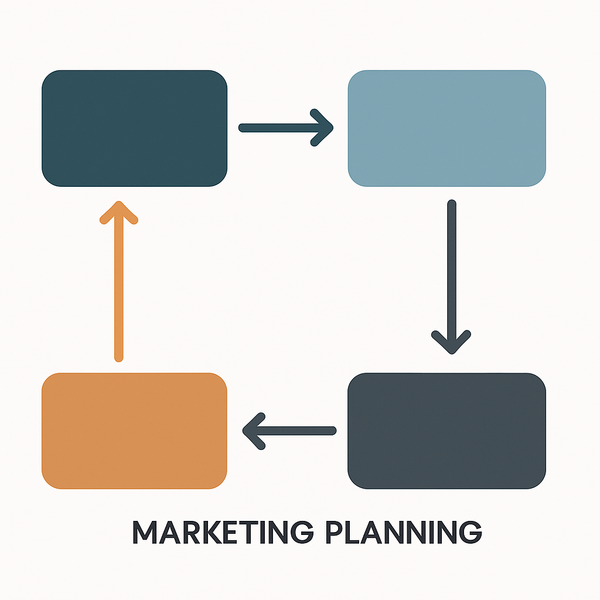
Implementing a marketing planning process framework requires systematic execution across four distinct phases. Each phase builds upon the previous one, creating momentum toward achieving your marketing objectives.
Phase 1: Research and Analysis
The research and analysis phase lays the groundwork for all subsequent planning activities. Begin by conducting a comprehensive audit of your current marketing efforts, documenting what’s working, what isn’t, and why. This internal assessment should examine all marketing channels, campaigns, and initiatives from the past year, analyzing performance metrics, resource utilization, and return on investment.
Next, expand your analysis to include external factors. Research your target market thoroughly, including demographic shifts, behavioral changes, and emerging preferences. Analyze competitor strategies, identifying their strengths and weaknesses while looking for market gaps your organization can exploit. Consider broader environmental factors such as economic conditions, technological advances, and regulatory changes that might impact your marketing efforts.
Synthesize your findings into actionable insights. Create a SWOT analysis that clearly articulates strengths to leverage, weaknesses to address, opportunities to pursue, and threats to mitigate. Document key assumptions and uncertainties that could impact your plans. This comprehensive understanding becomes the foundation for strategic decision-making in subsequent phases.
Phase 2: Strategic Planning
Strategic planning transforms research insights into directional decisions that guide all marketing activities. Start by revisiting or establishing your brand positioning, ensuring it resonates with target audiences while differentiating from competitors. Define your unique value proposition and key messages that will consistently communicate this positioning across all channels.
Develop customer personas that represent your ideal buyers, including their demographics, psychographics, pain points, and decision-making processes. Use these personas to map customer journeys, identifying critical touchpoints where marketing can influence purchasing decisions. This understanding helps prioritize marketing investments where they’ll have maximum impact.
Create strategic frameworks for each major marketing area. Develop content strategies that address customer needs at each stage of the buyer’s journey. Design channel strategies that reach target audiences where they’re most receptive. Establish partnership strategies that extend your reach through complementary organizations. Each strategic element should align with overall objectives while remaining flexible enough to adapt to changing conditions.
Phase 3: Tactical Execution
Tactical execution translates strategies into specific actions with clear timelines and accountability. Begin by breaking down strategic initiatives into discrete projects with defined scopes, deliverables, and success criteria. Create detailed project plans that specify tasks, dependencies, resources, and milestones.
Develop comprehensive campaign briefs that provide creative teams with clear direction while allowing room for innovation. These briefs should include target audience profiles, key messages, desired outcomes, brand guidelines, and any constraints or requirements. Establish approval processes that balance quality control with agility, ensuring campaigns launch on schedule without compromising effectiveness.
Implement robust project management systems to coordinate activities across teams and external partners. Use collaborative tools that provide visibility into progress, flag potential issues early, and facilitate communication. Regular stand-ups or status meetings keep everyone aligned and accountable. Build buffer time into schedules to accommodate unexpected challenges without derailing entire campaigns.
Phase 4: Monitoring and Optimization
The monitoring and optimization phase ensures your marketing framework delivers continuous improvement. Establish dashboards that track key performance indicators in real-time, providing early warning signs when campaigns underperform. These dashboards should present data in ways that facilitate quick decision-making, highlighting trends and anomalies that require attention.
Conduct regular performance reviews that go beyond surface-level metrics. Analyze the complete customer journey to understand how different touchpoints contribute to conversions. Use attribution modeling to allocate credit appropriately across channels and campaigns. Compare actual results against planned objectives, investigating significant variances to understand root causes.
Create systematic processes for incorporating learnings into future planning cycles. Document successful tactics that should be scaled or replicated. Identify failed experiments and extract lessons to avoid similar mistakes. Update personas and journey maps based on actual customer behavior. This continuous refinement ensures your marketing framework becomes more effective over time.
Real-World Examples and Templates
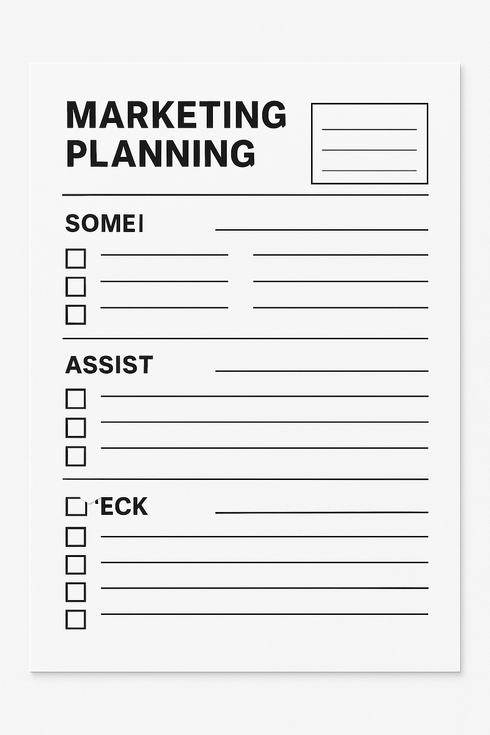
Understanding how marketing planning frameworks apply in different contexts helps you adapt the methodology to your specific needs. These examples illustrate how the same fundamental framework can be customized for various business models and industries.
B2B Marketing Framework Example
Business-to-business marketing frameworks emphasize longer sales cycles, multiple decision-makers, and relationship-building. A technology company selling enterprise software might structure their framework around account-based marketing principles. Their situational analysis would focus on identifying target accounts, understanding buying committees, and mapping complex decision-making processes.
The B2B framework would establish objectives around pipeline velocity, deal size, and customer retention rather than just lead volume. Strategies would emphasize thought leadership content, executive engagement programs, and sales enablement tools. Tactical implementation would include targeted LinkedIn campaigns, industry event participation, and customized demo experiences for key accounts.
Measurement in B2B contexts requires sophisticated attribution models that track touchpoints across extended buying cycles. The framework would monitor engagement metrics at the account level, tracking how different stakeholders interact with marketing materials. Success metrics would include pipeline contribution, sales cycle length, and customer lifetime value rather than simple conversion rates.
B2C Marketing Framework Example
Business-to-consumer frameworks typically focus on broader audience reach, emotional connections, and faster purchase decisions. A retail brand’s framework might prioritize brand awareness, customer acquisition, and repeat purchase behavior. Their situational analysis would examine consumer trends, seasonal patterns, and competitive pricing strategies.
B2C objectives often center on market share growth, customer acquisition costs, and brand perception metrics. Strategies would leverage mass market channels like social media advertising, influencer partnerships, and email marketing automation. The framework would emphasize creating compelling creative content that resonates emotionally with target demographics.
Implementation in B2C environments requires agility to respond to rapid market changes and consumer trends. The framework would include processes for quick creative development, A/B testing protocols, and real-time optimization based on performance data. Measurement would focus on immediate metrics like conversion rates, average order values, and customer acquisition costs.
Digital Marketing Planning Template
Digital marketing frameworks must account for the rapidly evolving online landscape and increasingly sophisticated tracking capabilities. A comprehensive digital framework addresses Search Engine Optimization, paid advertising, content marketing, social media, email marketing, and conversion optimization as interconnected components rather than isolated channels.
The digital planning template would begin with technical foundations like website architecture, tracking implementation, and marketing technology stack configuration. Objectives would include specific metrics for each digital channel while maintaining focus on overall digital contribution to business goals. Strategies would emphasize integrated campaigns that leverage multiple channels synergistically.
Digital frameworks require robust testing and optimization protocols. The template would include processes for continuous A/B testing, multivariate testing, and personalization experiments. Measurement would leverage advanced analytics tools to understand user behavior, attribution modeling, and predictive analytics. Regular audits would ensure technical infrastructure supports evolving marketing needs.
Best Practices for Marketing Planning Success
Implementing a marketing planning framework successfully requires more than just following steps. These best practices help organizations maximize the value of their framework while avoiding common pitfalls.
Common Pitfalls to Avoid
One of the most frequent mistakes organizations make is creating overly complex frameworks that become burdensome rather than helpful. Complexity creeps in when teams try to account for every possible scenario or include excessive detail in planning documents. The result is analysis paralysis, where planning consumes so much time and energy that execution suffers. Keep your framework as simple as possible while still being comprehensive enough to guide effective decision-making.
Another critical pitfall is treating the framework as a rigid set of rules rather than flexible guidelines. Markets change rapidly, and frameworks must adapt accordingly. Organizations that slavishly follow outdated plans miss opportunities and fail to respond to threats. Build flexibility into your framework from the beginning, with clear triggers for reviewing and updating strategies based on performance data or market changes.
Failing to secure adequate resources and buy-in represents another major obstacle. Marketing frameworks require investment in tools, training, and time. Without executive support and adequate funding, even the best-designed framework will fail. Ensure stakeholders understand the value of systematic planning and commit necessary resources before beginning implementation.
Tips for Cross-Functional Alignment
Successful marketing planning requires collaboration across departments. Start by involving key stakeholders from sales, product development, customer service, and finance in the planning process. Their input ensures the framework addresses real business needs and gains broader organizational support. Create liaison roles or regular touchpoints that maintain alignment throughout execution.
Establish common metrics and reporting structures that translate marketing activities into language other departments understand. Sales teams need to see how marketing contributes to pipeline generation. Finance requires clear ROI calculations. Product teams want insights into customer preferences and competitive positioning. Design your measurement systems to address these diverse needs while maintaining marketing-specific metrics.
Communication protocols play a crucial role in maintaining alignment. Regular updates on campaign performance, market insights, and strategic shifts keep all departments informed. Create feedback loops that capture input from customer-facing teams and incorporate it into marketing strategies. This two-way communication ensures marketing remains responsive to real-world customer interactions.
Adapting Your Framework to Industry Needs
While fundamental framework components remain consistent, successful implementation requires customization for specific industry contexts. Healthcare organizations must account for regulatory compliance and longer decision-making cycles. Technology companies need frameworks that accommodate rapid product evolution and technical buyer education. Retail businesses require frameworks emphasizing seasonality and inventory management.
Consider industry-specific success factors when designing your framework. Professional services firms might emphasize thought leadership and referral programs. Manufacturing companies could focus on dealer networks and trade show strategies. Non-profits would prioritize donor engagement and mission alignment. These industry nuances should influence every aspect of the framework from objective setting to measurement approaches.
Stay attuned to industry trends and evolving best practices. Join professional associations, attend industry conferences, and benchmark against successful competitors. Regular external input prevents your framework from becoming insular and ensures it incorporates emerging opportunities. Build mechanisms for incorporating new channels, technologies, and approaches as they prove valuable in your industry context.
Conclusion
A well-designed marketing planning process framework transforms marketing from a cost center into a strategic business driver. By providing structure, accountability, and continuous improvement mechanisms, the framework enables organizations to achieve predictable, scalable marketing success. The key lies in balancing comprehensive planning with practical execution, ensuring your framework guides action rather than constraining it.
Remember that implementing a marketing framework is an iterative journey rather than a destination. Start with the fundamental components outlined in this guide, but customize them to fit your organization’s unique needs and constraints. Regular review and refinement ensure your framework evolves alongside your business and market conditions.
As you embark on developing or refining your marketing planning process framework, focus on creating systems that empower your team while driving measurable business results. With commitment to the process and willingness to learn and adapt, your framework will become an invaluable asset that consistently delivers marketing excellence and business growth. For additional guidance on marketing planning and execution, consult resources from the Marketing and sales | U.S. Small Business Administration, which offers comprehensive support for businesses of all sizes.

Juan is a Digital Advertising / SEM Specialist with over 10 years of experience with Google AdWords, Bing Ad Center, Facebook, LinkedIn, Google Analytics, HTML, and WordPress. He is a co-founder of Sheaf Media Group and has work in several online advertising projects for retail, automotive, and service industries. Additionally, Juan holds a bachelor’s degree in Psychology and has a deep interest in the science of human behavior which he attributes as the key factor for his success in the advertising world.