


In 2026, the success of your small business increasingly depends on the quality and effectiveness of your online presence. Research consistently shows that 94% of first impressions are design-related, and 75% of users judge a company’s credibility based solely on their website’s design. The question facing small business owners isn’t whether they need a professional website—it’s how to find the right partner to create one that drives real business results. Small business website designer services have evolved dramatically in recent years, moving far beyond simple template customization to offer strategic, conversion-focused solutions tailored specifically to the unique challenges and opportunities small businesses face in competitive digital markets.
The challenge most small business owners encounter centers on understanding what small business website designer services actually encompass and how to navigate the overwhelming array of options available in today’s market. From freelance designers working from home offices to specialized boutique agencies focusing exclusively on small business clients, the choices can feel paralyzing. This comprehensive guide breaks down everything you need to know about small business website designer services, providing a clear six-step framework that empowers you to make informed decisions. Whether you’re launching your first website, redesigning an outdated one, or simply exploring your options, you’ll discover actionable insights that help you identify and partner with a designer who understands your business, shares your vision, and possesses the technical expertise to transform that vision into a high-performing digital asset that generates consistent returns on your investment in small business website designer services.
Understanding Small Business Website Designer Services: What Sets Them Apart
Small business website designer services represent a specialized category of web design that focuses specifically on the unique needs, constraints, and opportunities that define small business operations. Unlike enterprise-level agencies that work with Fortune 500 companies or template-based DIY platforms that offer one-size-fits-all solutions, designers specializing in small business work understand the delicate balance between budget constraints and the need for professional, conversion-optimized websites that compete effectively in local and national markets. These specialists recognize that small businesses require maximum impact with focused investments, strategic thinking that prioritizes revenue-generating features, and designs that establish credibility while remaining accessible and user-friendly.
What fundamentally distinguishes small business website designer services from generic web design offerings is the designer’s deep understanding of small business challenges and priorities. Small business-focused designers recognize that every dollar invested must generate measurable returns, that website projects often have tight timelines driven by market opportunities or competitive pressures, and that ongoing maintenance and support must fit within realistic budgets. They understand local market dynamics, the importance of Google Business Profile integration, the critical role of mobile-first design for local search, and how to create websites that convert visitors into customers through strategic calls-to-action, trust signals, and streamlined user experiences that eliminate friction in the customer journey.
Professional designers specializing in small business clients bring expertise that extends far beyond aesthetic considerations. They understand conversion rate optimization principles, local SEO fundamentals, accessibility requirements, mobile performance optimization, and the psychological triggers that influence purchase decisions. They can advise on content strategy, recommend appropriate platforms based on specific business needs, integrate with essential business tools like CRM systems and email marketing platforms, and provide training that empowers business owners to manage routine content updates independently. This comprehensive approach distinguishes true small business website designer services from simple template customization or purely aesthetic design work that looks attractive but fails to drive business results.
Key Features of Professional Small Business Website Designer Services
Professional small business website designer services deliver comprehensive solutions that address every critical element of effective web presence. These features work together synergistically to create websites that not only look professional but perform exceptionally in converting visitors into customers, ranking well in search engines, and providing seamless experiences across all devices and platforms. Understanding these key features helps you evaluate potential designers and ensures your investment delivers maximum value.
Responsive Design & Mobile Optimization
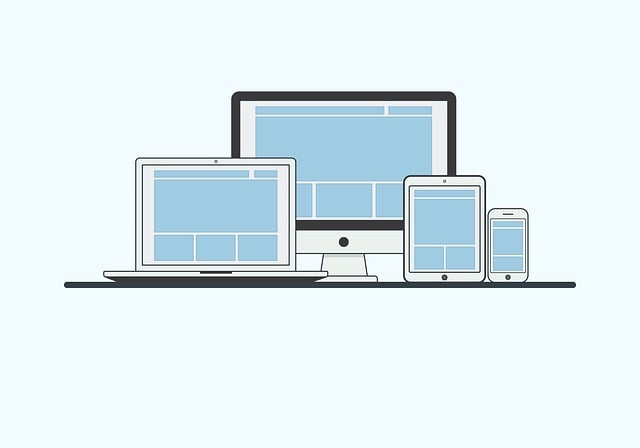
Professional designers prioritize mobile responsiveness as a fundamental requirement rather than an optional enhancement. With mobile devices generating over 60% of web traffic and Google’s mobile-first indexing determining search rankings, mobile optimization directly impacts both user experience and business visibility. Expert designers create fluid layouts that automatically adapt to any screen size, optimize touch targets for easy mobile navigation, ensure readable text without zooming, and test thoroughly across multiple devices and browsers. They understand that mobile optimization extends beyond responsive layouts to include performance optimization, simplified navigation for smaller screens, and strategic placement of conversion elements that work effectively on touch interfaces.
Speed & Performance Optimization
Website speed directly correlates with conversion rates, user satisfaction, and search engine rankings. Professional small business website designer services implement comprehensive performance optimization strategies including image compression and optimization, code minification, browser caching, content delivery network (CDN) implementation, and lazy loading for images and videos. They understand that every second of loading time impacts bounce rates and conversions, with studies showing that a one-second delay can reduce conversions by 7%. Designers monitor performance metrics using tools like Google PageSpeed Insights and continuously optimize to maintain fast loading times as content evolves and grows over time.
Strategic Call-to-Action Placement
Effective designers understand that websites exist to drive specific business actions—whether scheduling appointments, requesting quotes, making purchases, or contacting the business. They strategically position calls-to-action throughout the site based on user behavior patterns and conversion optimization best practices. This includes prominent placement in high-visibility areas, action-oriented language that creates urgency, contrasting colors that draw attention, and multiple conversion paths that accommodate different user preferences and decision-making stages. Professional designers A/B test different CTA approaches and continuously refine based on performance data to maximize conversion rates.
SEO Foundation & Best Practices
Professional designers build SEO foundations into website architecture from day one rather than attempting to retrofit optimization later. This includes proper heading hierarchy, strategic keyword integration, descriptive alt text for all images, clean URL structures, XML sitemap creation, robots.txt configuration, schema markup implementation, and internal linking strategies that distribute page authority effectively. When evaluating small business website design services, verify that SEO optimization is included in base offerings rather than positioned as an expensive add-on, and request specific examples of ranking improvements achieved for previous clients.
Security & SSL Implementation
Security protects both your business and your customers’ sensitive information. Professional designers implement SSL certificates as standard practice, ensuring encrypted data transmission and avoiding “Not Secure” browser warnings that immediately erode visitor trust. They configure proper security headers, implement regular backup systems, keep all software and plugins updated to patch security vulnerabilities, and follow security best practices for user authentication and data handling. For e-commerce sites, they ensure PCI compliance and implement additional security layers that protect customer payment information and prevent fraud.
Analytics & Tracking Setup
You cannot improve what you don’t measure. Professional small business website designer services configure comprehensive analytics tracking during initial setup, ensuring you capture valuable behavioral data from launch day forward. This includes Google Analytics 4 implementation, Google Search Console setup, conversion goal configuration, event tracking for key user interactions, and custom dashboard creation that highlights metrics most relevant to your business objectives. Designers also provide training on interpreting analytics data and using insights to inform ongoing optimization decisions that continuously improve website performance.
Brand Consistency & Professional Aesthetics
Professional designers create visual identities that authentically represent your brand while establishing credibility and trust. This extends beyond selecting attractive color schemes to encompass typography choices that enhance readability, professional photography or illustrations that resonate with target audiences, consistent use of brand elements across all pages, and attention to micro-interactions and details that create polished user experiences. They understand color psychology, visual hierarchy principles, and how to create designs that feel both contemporary and timeless rather than trendy designs that quickly feel dated.
Types of Small Business Website Designer Services Available
The landscape of small business website designer services includes diverse specializations and service models, each suited to different business needs, budgets, and objectives. Understanding these categories helps you identify designers whose expertise aligns with your specific requirements rather than settling for generalists who may lack the specialized knowledge your business needs.
Custom design from scratch represents the premium option where designers create completely unique websites tailored precisely to your brand, audience, and business model. This approach offers maximum flexibility and differentiation, ensuring your website stands apart from competitors and includes exactly the functionality your business requires without compromise. Custom design works best for businesses with highly specific requirements, established brands that demand perfect alignment, unique business models requiring specialized features, or competitive markets where differentiation proves crucial. While requiring larger upfront investments, custom designs often deliver superior long-term value because they scale seamlessly with business growth and avoid platform limitations that restrict future expansion.
Template customization services offer a middle path between DIY approaches and fully custom design. Specialized designers start with proven premium templates and extensively customize them to match your branding, content requirements, and functional needs. This approach significantly reduces development time and costs while still delivering professional results that convert effectively. Template customization works exceptionally well for service businesses, professional practices, consultants, and small retailers who need established functionality without reinventing fundamental website architecture. The key is ensuring sufficient customization that your site doesn’t appear generic or identical to competitors using the same base template.
E-commerce specialist designers focus specifically on online stores and product-based businesses. These specialists possess deep expertise in platforms like WooCommerce, Shopify, or BigCommerce, understand complex inventory management, payment gateway integration, shipping calculation, product photography optimization, and conversion rate optimization specific to e-commerce. They can advise on product categorization, filtering systems, checkout flow optimization, abandoned cart recovery, and integration with fulfillment systems. If you’re exploring e-commerce options, reviewing small business website examples provides valuable inspiration for effective online store design and helps you articulate your vision to potential designers.
Industry-specific designers specialize in particular business categories like restaurants, healthcare providers, professional services firms, contractors, or real estate agencies. These specialists understand industry-specific requirements, compliance considerations, typical customer journeys, and features that drive results in specific markets. A designer specializing in medical practices understands HIPAA compliance, online appointment scheduling, patient portal integration, and trust-building elements crucial for healthcare. Industry specialists deliver faster results because they’ve solved similar challenges repeatedly and maintain libraries of proven solutions adaptable to your specific needs.
Maintenance and ongoing support packages ensure your website remains secure, current, and fully functional long after launch. Some small business website designer services focus specifically on ongoing maintenance for sites built by others, offering regular software updates, security patches, content updates, performance monitoring, backup management, and technical support when issues arise. These services typically offer tiered packages ranging from basic security maintenance to comprehensive management including content updates, SEO monitoring, and strategic consulting. Establishing ongoing maintenance relationships protects your investment and ensures consistent performance as your business evolves.
Branding and identity design integration addresses the reality that many small businesses lack cohesive visual identities when they’re ready to build websites. Some designers offer comprehensive packages that develop logos, color palettes, typography standards, and brand guidelines alongside website design, ensuring perfect alignment between all brand touchpoints. This integrated approach proves especially valuable for startups and businesses undergoing rebranding, creating unified brand experiences that strengthen recognition and reinforce professional positioning across websites, business cards, social media, and marketing materials.
How to Choose the Right Designer for Your Small Business

Selecting the ideal designer for your website project can determine whether you create a transformative business asset or waste resources on a frustrating experience that delivers disappointing results. The selection process requires systematic evaluation, clear communication, and understanding what distinguishes exceptional designers from mediocre ones. When researching a small business web developer, focus on these critical criteria to maximize your probability of successful outcomes.
Portfolio evaluation criteria provide concrete evidence of capabilities, style, and results achieved for previous clients. Go beyond superficial aesthetic assessment to thoroughly test portfolio sites on multiple devices, check loading speeds using Google PageSpeed Insights, navigate through complete user experiences, and evaluate conversion elements like calls-to-action and contact forms. Strong portfolios showcase meaningful diversity across industries and business types rather than repetitive similar designs. Look for case studies that include specific, measurable results—traffic increases, conversion improvements, revenue growth—proving the designer understands business objectives beyond pure aesthetics. Be cautious with portfolios showing only homepage designs without demonstrating full site functionality and user journeys.
Understanding designer specializations helps match expertise to your specific needs. Some designers excel at e-commerce, others specialize in local service businesses, while others focus on B2B professional services. Ask directly about their experience with businesses similar to yours, challenges they’ve solved in your industry, and specific results achieved for comparable clients. Designers who specialize in your business category bring immediate value through proven solutions, industry knowledge, and understanding of your target audience’s expectations and behaviors. They require less education about your business model and can hit the ground running with strategic recommendations based on extensive category experience.
Questions to ask potential designers reveal expertise levels, working processes, and cultural fit. Inquire about their design process and typical project phases, average timelines for projects similar to yours, how they handle revisions and feedback, who actually performs the work (especially important with agencies), their approach to mobile optimization and SEO, training provided on content management, what happens if you need changes after launch, and whether they offer ongoing maintenance. Ask about their preferred communication methods and response time expectations. Request references from recent clients in similar industries and actually contact those references to ask about their experiences, communication quality, and results achieved.
Red flags and warning signs help you avoid problematic partnerships before committing resources. Exercise extreme caution with designers who guarantee specific search rankings (no legitimate professional can guarantee rankings), refuse to provide client references or portfolio access, pressure you to sign contracts immediately with artificial urgency, offer prices dramatically lower than market rates (quality work requires fair compensation), don’t ask detailed questions about your business and goals, show poor communication during the sales process, or cannot articulate clear processes and timelines. Trust your instincts—if something feels off during initial conversations, it’s unlikely to improve during the project.
Communication style and availability profoundly impact project experience and outcomes. Clarify preferred communication channels (email, phone, video calls, project management platforms), expected response times for questions and requests, how often you’ll receive progress updates, and how the designer handles urgent issues. Some designers prefer detailed written communication while others favor quick calls. Find a working style that matches your preferences and availability. Discuss time zones if working with remote designers and ensure sufficient overlap for real-time communication when needed. Clear communication expectations prevent frustration and keep projects moving forward smoothly.
Contract and agreement considerations protect both parties and ensure clear expectations. Professional designers provide detailed contracts specifying deliverables, timelines, payment schedules tied to milestones, revision policies, intellectual property ownership, what happens if either party needs to terminate the agreement, and post-launch support provisions. Review contracts carefully before signing, ask questions about anything unclear, and consider having an attorney review if the project involves significant investment. Ensure the contract explicitly states that you’ll own all final files, designs, and content upon project completion and final payment.
Timeline and project management expectations should be realistic and clearly articulated from project inception. Simple brochure websites might require 4-6 weeks, while complex e-commerce sites often demand 10-14 weeks for proper execution. Timelines depend heavily on your responsiveness in providing content, feedback, and approvals at each stage. Professional designers provide detailed project plans with defined milestones, explain dependencies between project phases, and transparently communicate how delays on either side impact completion dates. Be suspicious of promises to complete complex projects in unrealistically short timeframes—rushed work typically results in quality issues and technical problems that cost more to fix later than doing it right initially.
Investment Guide: What Designer Services Cost in 2026
Understanding current market rates for small business website designer services helps you budget appropriately and recognize whether quotes represent fair value or attempt to exploit inexperience. Investment ranges vary significantly based on project complexity, designer experience and reputation, geographic location, and the comprehensiveness of services included. Breaking down costs by tier establishes realistic expectations and helps align investment with business objectives and available resources.
Budget tier: $1,000-$3,000 typically encompasses template-based designs with moderate customization delivered by freelance designers or small studios. At this investment level, expect professional template selection and customization to match your branding, 8-12 pages of content, basic SEO optimization, mobile responsiveness, contact form integration, and 2-3 rounds of revisions. You’ll likely need to provide all content and images yourself and be actively involved throughout the process. This tier works well for very simple sites with straightforward requirements, businesses just starting out with limited budgets, or those testing concepts before making larger investments. However, recognize that limitations often become apparent as businesses grow, with many requiring redesigns within 2-3 years as they outgrow initial solutions.
Mid-range tier: $3,000-$8,000 represents the sweet spot for most established small businesses, offering semi-custom design with substantial customization and comprehensive features. This range typically includes 12-20 pages, extensive template customization or light custom design elements, professional copywriting for key pages, thorough SEO optimization, multiple contact forms, blog setup with initial posts, social media integration, email marketing integration, Google Analytics and Search Console setup, comprehensive training on content management, and 30-60 days of post-launch support. You’ll work with experienced designers who provide strategic guidance beyond technical implementation, helping you make informed decisions about functionality, user experience, and conversion optimization. Mid-range investments deliver websites that effectively represent professional brands, convert visitors consistently, and support business growth for 4-6 years before requiring major updates.
Premium tier: $8,000-$15,000+ encompasses semi-custom to fully custom designs with advanced functionality, e-commerce capabilities, custom integrations, sophisticated animations and interactions, extensive content development, and ongoing strategic consulting. Premium projects might include 25+ pages, membership areas, advanced booking systems, custom calculators or configurators, multilingual support, CRM integration, marketing automation platform integration, custom plugin development, or sophisticated e-commerce with complex product configurations. This tier suits established businesses with specific requirements that template solutions cannot accommodate, competitive industries where differentiation proves crucial, or businesses treating websites as primary sales channels requiring maximum optimization and ongoing professional management. For businesses considering premium investments, exploring free website design for business options first can help you understand baseline features and identify which premium capabilities justify additional investment for your specific situation.
What’s included at each level varies significantly between designers, making careful comparison essential. Budget tiers might include only the website itself with minimal support, while premium tiers often include comprehensive training, extended support periods, content creation, photography, and ongoing optimization. Always clarify exactly what’s included in quoted prices: professional copywriting, stock photography or custom photography, number of revision rounds, training sessions, post-launch support duration, hosting setup, domain registration, SSL certificate, email setup, and any ongoing maintenance. The lowest quote rarely represents the best value if it excludes critical elements you’ll need to purchase separately or add later at premium rates.
Monthly maintenance and support costs range from $100-$500 depending on service levels and site complexity. Basic maintenance ($100-$200/month) includes software updates, security monitoring, regular backups, and uptime monitoring. Standard maintenance ($200-$350/month) adds monthly content updates, performance optimization, and priority support for issues. Premium maintenance ($350-$500+/month) encompasses everything plus ongoing SEO work, monthly analytics reporting, conversion rate optimization, strategic consulting, and proactive recommendations for improvements. Regular maintenance prevents security breaches, keeps sites functioning optimally, ensures compatibility with evolving web standards, and protects your substantial initial investment from degradation over time.
ROI expectations and timeline help justify investments by focusing on business impact rather than merely comparing costs. A $5,000 website that generates 15 new customers worth $800 each in the first year delivers a 140% return on investment. Calculate your average customer lifetime value, estimate conservatively how many additional customers a professional website might generate through improved credibility and conversion optimization, and compare projected revenue to required investment. Most small businesses find that professional designer services pay for themselves within 8-15 months through increased qualified leads, higher conversion rates, improved credibility that closes more sales, and time savings from not struggling with DIY approaches. The timeline for seeing results varies but typically follows predictable patterns: initial traffic improvements within 2-4 weeks as search engines index the new site, conversion rate improvements often materialize immediately as visitors respond to professional design and clear calls-to-action, and full business impact becomes clear 6-12 months post-launch when you can analyze comprehensive data on traffic sources, user behavior, and revenue attribution.
DIY Builders vs. Professional Website Designer Services
The decision between DIY website builders and professional small business website designer services depends on multiple factors including available budget, technical capabilities, available time, long-term business objectives, and growth ambitions. Both approaches have legitimate applications in different circumstances, and understanding genuine tradeoffs helps you make optimal choices for your specific situation rather than following generic advice that may not apply to your unique needs and constraints.
Limitations of DIY platforms for serious businesses become apparent as businesses grow and requirements evolve. While platforms like Wix, Squarespace, and Weebly offer low entry costs and drag-and-drop simplicity, they impose significant constraints on design flexibility, customization capabilities, SEO optimization potential, loading speed optimization, and scalability as businesses grow. Template restrictions make true differentiation difficult, platform limitations prevent implementing sophisticated functionality, and you’re dependent on platform providers for features and capabilities rather than controlling your own destiny. DIY sites often appear amateur to discerning visitors despite using professional templates because subtle design details, layout choices, interaction patterns, and content quality reveal inexperience. More critically, DIY platforms typically underdeliver on conversion optimization, strategic user experience design, and the sophisticated touches that separate sites that generate business from sites that merely exist online.
When DIY might work (and when it doesn’t) depends on business stage, objectives, and resources. DIY approaches might suffice for testing business concepts before major investment, creating simple placeholder sites while planning comprehensive redesigns, building internal tools or personal portfolios not requiring high conversion optimization, or operating on extremely tight budgets with more available time than money. DIY works reasonably well for people with natural design aptitude and genuine willingness to invest significant learning time. However, DIY rarely works for businesses competing seriously for customers online, those where websites serve as primary lead generation channels, companies in competitive industries requiring differentiation, or businesses needing specific functionality, e-commerce capabilities, custom integrations, or optimal SEO implementation. The opportunity cost of spending 60-100 hours building a mediocre DIY site often substantially exceeds paying professionals who deliver superior results in weeks while you focus on revenue-generating activities where your expertise creates value.
The designer advantage: expertise and strategic thinking extends far beyond technical implementation. Professional designers bring conversion rate optimization knowledge, user experience best practices, accessibility expertise, performance optimization capabilities, SEO foundations, strategic thinking about customer journeys, and aesthetic sensibilities developed through years of experience and hundreds of projects. They anticipate problems before they occur, recommend solutions you wouldn’t have considered, integrate best practices you didn’t know existed, and create cohesive experiences that guide visitors naturally toward conversion actions. Designers also provide objective perspectives unclouded by your intimate familiarity with your business, helping you see your offerings through customers’ eyes and communicate value propositions clearly to audiences encountering your business for the first time.
Time investment comparison reveals hidden costs of DIY approaches. Building a basic business website yourself typically requires 40-80 hours for initial creation plus ongoing time for maintenance, updates, troubleshooting, and optimization—time diverted from core business activities where your expertise creates value. Professional designers deliver superior results in 4-8 weeks of calendar time requiring minimal input from you (primarily content provision and feedback on designs). Calculate your hourly value based on what you can earn focusing on your business, multiply by hours you’d spend on DIY approaches, and compare to professional design costs. For most business owners, professional design represents better financial decisions even ignoring quality differences.
Quality and professionalism differences between DIY and professional design manifest in subtle but impactful ways. Professional designs exhibit consistent spacing and alignment, harmonious color schemes grounded in color theory, typography combinations that enhance readability while reinforcing brand personality, strategic use of whitespace that reduces cognitive load, smooth animations and transitions that feel polished, optimized images that balance quality and performance, and thousands of micro-decisions that collectively create experiences feeling effortless and trustworthy. These details profoundly impact visitor perceptions about business credibility, attention to quality, and ability to deliver excellent customer experiences. First impressions form in milliseconds based largely on design quality, making professional design a crucial investment in business credibility.
Long-term scalability considerations often prove deciding factors for serious businesses. Professional designs built on flexible platforms like WordPress scale seamlessly as businesses grow, accommodating new features, expanded content, e-commerce addition, membership areas, advanced integrations, and evolving requirements without requiring complete rebuilds. DIY platforms often hit walls where accomplishing necessary next steps requires platform migration—essentially starting over and losing all previous investment. Professional designs also typically include proper site architecture, clean code, and documentation that make future enhancements straightforward whether you continue with the original designer or transition to others. This long-term flexibility protects and extends your initial investment rather than creating dead ends requiring expensive do-overs when businesses outgrow limited platforms.
Real Success Stories: Small Businesses Transformed by Professional Designers

Real-world examples powerfully demonstrate how strategic investments in professional small business website designer services generate tangible, measurable business results that justify initial costs and deliver ongoing value. These detailed case studies illustrate diverse business types, unique challenges faced, strategic solutions implemented, and concrete outcomes achieved, providing compelling evidence of professional design’s impact far beyond superficial aesthetics.
Case study 1: Local service business (before/after metrics) – A residential plumbing company serving a mid-sized metropolitan area operated for 12 years relying primarily on referrals and local directories. Their amateur website built years earlier using a basic template looked outdated, lacked mobile optimization, provided no clear calls-to-action, and failed to showcase their expertise or customer satisfaction. After investing $4,800 in professional designer services focused on local service businesses, they launched a redesigned site featuring prominent service area maps, streamlined online booking, compelling customer testimonials with photos, before/after project galleries, transparent pricing information, emergency service CTAs, and trust signals like licensing and insurance documentation. Within four months, they documented remarkable improvements: 215% increase in website-generated service requests, 38% reduction in cost-per-lead from Google Local Services Ads due to improved Quality Score, 4.9-star average rating from 127 Google reviews (up from 4.2 stars with 31 reviews) as the site made leaving feedback effortless, and average project value increased 23% as the professional site attracted more affluent customers seeking quality over lowest price. The owner reported the website became their most productive “employee,” working 24/7 generating qualified leads without sick days, complaints, or demanding raises.
Case study 2: E-commerce startup growth – A specialty food products company launched with a basic Shopify template they customized themselves, struggling to differentiate in a crowded market despite superior products. After six months of disappointing sales, they invested $6,200 in an e-commerce specialist designer who completely rebuilt their store with custom design elements, professional product photography, compelling product descriptions, streamlined checkout flow, abandoned cart recovery system, email marketing integration, and social proof elements showcasing customer reviews and media mentions. Results within the first quarter after relaunch exceeded expectations: 189% increase in conversion rate (from 1.1% to 3.2%), 156% increase in average order value through strategic upselling and bundling, 94% reduction in cart abandonment rate through checkout optimization, and customer acquisition cost decreased 41% as improved conversion rates made paid advertising dramatically more profitable. The redesigned store enabled them to scale profitably through paid channels that previously generated losses, transforming their business trajectory from struggling startup to thriving brand poised for significant growth.
Case study 3: Professional services firm credibility boost – A boutique management consulting firm with Fortune 500 clients maintained an elegant but static website that failed to demonstrate expertise or generate inbound leads. Despite excellent work and strong client relationships, they struggled to attract new clients who increasingly expected thought leadership content and modern digital presence. Their $7,500 investment in professional designer services specializing in B2B professional services transformed their site into a lead generation engine featuring extensive case study showcases, downloadable resources gated behind contact forms, sophisticated filtering for service offerings, blog with strategic content targeting decision-maker search queries, and integration with their CRM and email marketing platform. Results over 12 months were transformative: 437% increase in organic search traffic, 73 qualified leads generated through gated content downloads, 11 consulting engagements won directly attributed to website-initiated conversations representing $420,000 in revenue, and dramatically shortened sales cycles as prospects arrived already educated about their methodology and convinced of their expertise. The professional website elevated their positioning from capable consultants to recognized thought leaders, commanding premium fees and attracting ideal clients actively seeking their specialized expertise.
Common themes across successful partnerships emerge from analyzing dozens of transformative projects. Successful outcomes consistently involve clear goal-setting and success metrics established before design begins, active collaboration between business owners and designers throughout projects rather than passive “do it for me” approaches, strategic focus on specific business objectives rather than generic “looks good” criteria, commitment to providing quality content rather than treating it as afterthought, realistic timelines allowing proper strategy and execution, and ongoing optimization after launch based on performance data rather than “set it and forget it” mentality. Businesses achieving exceptional results view their websites as critical business assets deserving ongoing attention and investment, not one-time expenses to minimize.
Measurable ROI examples demonstrate that professional design investments deliver quantifiable returns. Beyond the case studies detailed above, patterns emerge: local service businesses typically see 150-300% increases in qualified leads within 3-6 months, e-commerce businesses commonly achieve 100-200% conversion rate improvements through professional optimization, B2B companies generate 5-15X their investment in attributed revenue within first year, and businesses across categories report 20-40% time savings from streamlined content management and reduced technical issues. While results vary based on industry, competition, and execution quality, professional small business website designer services consistently deliver measurable returns that justify investments and create compounding value as optimized sites continue generating leads and sales year after year.
Taking Action on Your Designer Partnership
Armed with comprehensive understanding of small business website designer services, you’re prepared to make informed decisions that position your business for digital success. The six essential steps we’ve covered—understanding what sets specialized small business designers apart, recognizing key features that drive results, exploring different service types and specializations, systematically choosing the right designer partner, understanding investment levels and expected returns, and making informed decisions between DIY and professional approaches—provide a practical framework for transforming your digital presence from liability into valuable asset that generates consistent returns.
Your immediate next steps should include defining specific, measurable goals for your website (lead generation targets, e-commerce sales objectives, or brand awareness metrics), determining realistic budget including often-overlooked ongoing costs like hosting and maintenance, creating a timeline accounting for content preparation and your availability to provide feedback, researching 5-8 potential designers whose portfolios and specializations align with your needs, and scheduling initial consultations with your top 3-4 candidates to assess fit, communication style, and strategic thinking. Prepare detailed questions based on insights from this guide, review portfolios critically using the evaluation criteria discussed, and trust your instincts about who genuinely understands your business and communicates in ways that resonate with your working style.
During consultations, request detailed proposals specifying deliverables, timelines, costs, revision policies, and post-launch support. Compare proposals not just on price but on comprehensiveness of services, strategic value provided, designer expertise and specialization, communication quality throughout the sales process, and confidence they inspire about delivering results. Remember that the lowest quote rarely represents the best value—focus on return on investment rather than minimizing costs. Once you’ve selected a designer, commit fully to collaborative partnership by providing prompt feedback, delivering content on agreed schedules, remaining available for questions and decisions, and trusting their expertise on design and technical matters while maintaining clear communication about business priorities and objectives.
The timeline for seeing meaningful results varies by industry and objectives but typically follows predictable patterns. Expect your design project to require 6-12 weeks for proper execution including strategy, design, development, content integration, testing, and refinement. Initial traffic improvements often begin 2-4 weeks after launch as search engines index new content and improved site architecture. Conversion rate improvements frequently materialize immediately as visitors respond to professional design, clear value propositions, and strategic calls-to-action. Full business impact becomes clear 6-12 months post-launch when comprehensive data on traffic sources, user behavior, conversion patterns, and revenue attribution reveals your website’s role in business growth. Remember that small business website designer services create assets that deliver compounding returns over years, not one-time expenses, making them among the highest-ROI investments small businesses can make in competitive digital markets. Your future customers are searching right now—ensure they find a professional website that converts them into loyal clients fueling sustained business growth for years to come.

Juan is a Digital Advertising / SEM Specialist with over 10 years of experience with Google AdWords, Bing Ad Center, Facebook, LinkedIn, Google Analytics, HTML, and WordPress. He is a co-founder of Sheaf Media Group and has work in several online advertising projects for retail, automotive, and service industries. Additionally, Juan holds a bachelor’s degree in Psychology and has a deep interest in the science of human behavior which he attributes as the key factor for his success in the advertising world.