


Introduction: Should I Use AI to Make a Website in 2026?
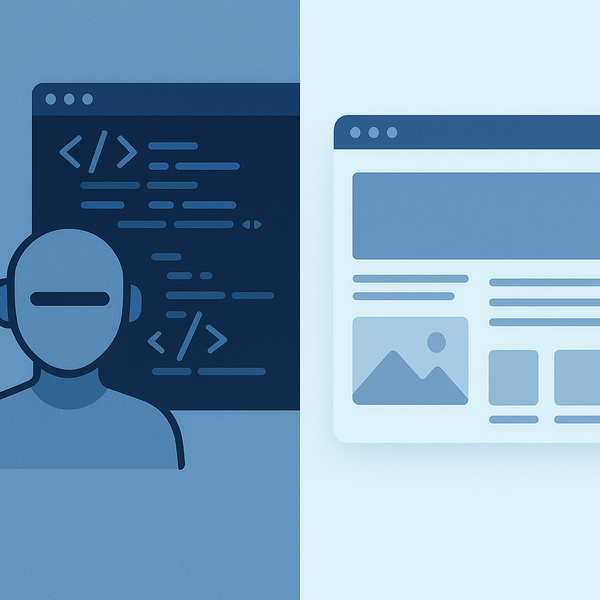
The question “Should I use AI to make a website” has become increasingly relevant as artificial intelligence transforms how we build digital experiences. With the proliferation of AI-powered website builders and design tools, creating a professional website no longer requires extensive coding knowledge or hefty development budgets. If you’re also wondering Can ChatGPT build me a website?, you’ll find that AI capabilities have expanded far beyond simple chatbot interactions to include comprehensive website creation tools.
The Rise of AI Website Builders
AI website builders have revolutionized the web development landscape. These intelligent platforms use machine learning algorithms to understand your requirements and automatically generate website layouts, content suggestions, and design elements. The technology has evolved from basic template-based systems to sophisticated tools that can create unique, responsive websites tailored to specific business needs.
What makes AI website builders particularly compelling is their ability to learn from millions of successful websites. They analyze design patterns, user behavior data, and industry best practices to suggest optimal layouts and features for your specific use case. This democratization of web design means that small businesses, entrepreneurs, and individuals can now create professional-looking websites without hiring expensive developers or agencies.
What This Guide Covers
This comprehensive guide will help you make an informed decision about whether AI website builders are the right choice for your project. We’ll explore seven key factors that should influence your decision, examine the pros and cons of AI-powered solutions, and provide real-world examples of successful AI-built websites. By the end of this article, you’ll have a clear framework for determining whether to embrace AI technology for your website creation needs.
We’ll also address common concerns about AI website builders, including customization limitations, SEO capabilities, and long-term scalability. Whether you’re a small business owner, a freelancer, or someone looking to establish an online presence, this guide will provide the insights you need to make the best decision for your unique situation.
7 Key Factors to Consider When Deciding If You Should Use AI to Make a Website
Making the right choice about website creation tools requires careful consideration of multiple factors. Let’s examine the seven most critical aspects that will help you determine whether AI website builders align with your goals and requirements.
Factor 1: Your Technical Skill Level
Your technical expertise plays a crucial role in determining whether you should use AI to make a website. If you’re comfortable with HTML, CSS, and JavaScript, you might prefer the control that traditional development offers. However, AI website builders excel at serving users with limited or no coding experience.
AI platforms eliminate the steep learning curve associated with web development. They handle the technical complexities behind the scenes, allowing you to focus on content, design preferences, and business goals. The intuitive interfaces typically feature drag-and-drop functionality, visual editors, and guided setup processes that make website creation accessible to everyone.
Consider your willingness to learn new skills as well. While AI builders simplify the process, traditional development skills remain valuable for advanced customizations. Some users find that starting with AI builders helps them understand web design principles before transitioning to more technical approaches.
Factor 2: Budget Constraints
Financial considerations often determine the feasibility of different website creation options. AI website builders typically offer more cost-effective solutions compared to hiring professional developers or agencies. Monthly subscription fees for AI platforms range from affordable basic plans to premium tiers with advanced features. When it comes to Should I use AI to make a website, this is one of the fastest checks to run.
When evaluating costs, consider the total investment required for your website. Traditional development might involve upfront design fees, ongoing maintenance costs, and potential expenses for updates and modifications. AI builders often include hosting, security updates, and technical support in their subscription packages, providing predictable monthly expenses.
Hidden costs can impact both approaches. Custom development might require additional expenses for plugins, themes, or third-party integrations. AI builders might charge extra for premium templates, advanced features, or increased storage and bandwidth. Calculate the long-term costs based on your projected growth and feature requirements.
Factor 3: Time Available
Time constraints significantly influence the decision of whether you should use AI to make a website. AI builders excel at rapid deployment, often allowing you to launch a functional website within hours or days. This speed advantage makes them ideal for time-sensitive projects or businesses that need to establish an online presence quickly.
Traditional web development typically requires weeks or months, depending on complexity. The process involves planning, design mockups, development, testing, and revisions. While this extended timeline allows for greater customization and refinement, it may not suit urgent business needs or market opportunities.
Consider ongoing time commitments as well. AI builders simplify maintenance and updates through automated processes and user-friendly interfaces. Traditional websites might require more time for updates, security patches, and troubleshooting, especially if you’re managing them independently without technical expertise.
Factor 4: Website Complexity Needs
The complexity of your intended website significantly impacts whether AI builders can meet your requirements. Simple informational websites, portfolios, and basic business sites align well with AI builder capabilities. These platforms excel at creating standard page layouts, contact forms, image galleries, and blog functionalities.
Complex functionalities might challenge AI builder limitations. If you need custom databases, specialized user authentication systems, or intricate e-commerce workflows, traditional development might offer more flexibility. However, AI builders continue to expand their capabilities, with many now supporting advanced features through app marketplaces and integrations.
Evaluate your current needs against future growth plans. While AI builders might handle your immediate requirements, consider whether they can accommodate planned expansions. Some platforms offer migration paths to more advanced solutions, while others might require complete rebuilds as complexity increases.
Factor 5: Customization Requirements
Customization flexibility often determines satisfaction with website creation tools. AI builders typically provide pre-designed templates and themes that you can modify within certain parameters. While this approach ensures professional results, it might limit unique design aspirations or specific branding requirements.
Modern AI builders increasingly offer customization options through CSS editing, HTML widgets, and API integrations. These features bridge the gap between simplicity and flexibility, allowing technically inclined users to enhance their sites beyond standard templates. However, extensive customizations might negate the simplicity advantages that make AI builders attractive.
Brand consistency requirements deserve special attention. If your organization has strict brand guidelines or needs pixel-perfect design implementations, evaluate whether AI builders can accommodate these standards. Some platforms offer white-label solutions or enterprise plans with greater customization freedom. If you’re working on Should I use AI to make a website, make sure this step is covered before moving on.
Factor 6: SEO and Performance Goals
Search engine optimization and website performance critically impact online success. When considering whether you should use AI to make a website, evaluate the platform’s SEO capabilities and performance optimization features. Modern AI builders have significantly improved in these areas, often including built-in SEO tools and performance enhancements.
AI builders typically handle technical SEO elements automatically, including mobile responsiveness, site speed optimization, and structured data implementation. Many platforms provide SEO wizards that guide content optimization, meta tag creation, and sitemap generation. These features benefit users who lack technical SEO expertise.
Performance considerations extend beyond basic optimization. Evaluate the platform’s content delivery network (CDN) capabilities, image optimization features, and caching mechanisms. While AI builders generally provide solid performance, custom-developed sites might offer more granular control over performance optimization strategies.
Factor 7: Long-term Scalability
Scalability concerns influence the sustainability of your website platform choice. AI builders must accommodate your growth trajectory, supporting increased traffic, content expansion, and feature additions. Evaluate whether the platform can handle your projected growth without requiring a complete platform migration.
Consider vendor lock-in implications when assessing long-term scalability. Some AI builders make it challenging to export your content and migrate to different platforms. This limitation might impact your flexibility as business needs evolve. Research migration options and data portability before committing to a specific platform.
Technical scalability involves more than traffic handling. Assess whether the platform supports international expansion through multi-language capabilities, multiple currency options, and regional compliance features. Growing businesses often require these capabilities, and platform limitations might necessitate costly migrations.
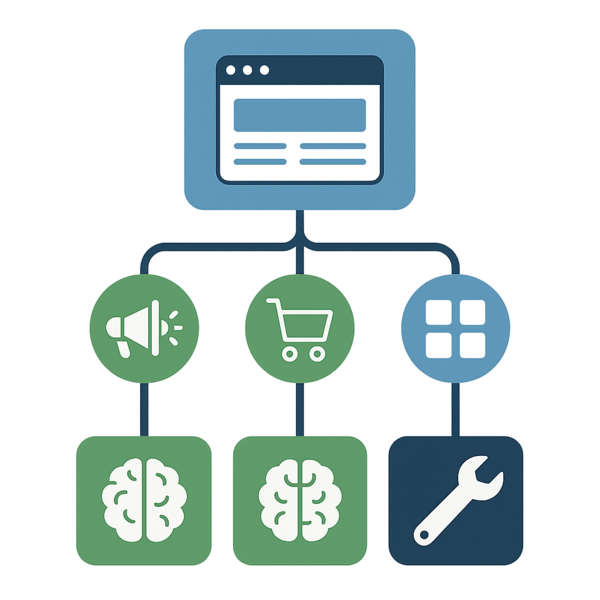
Key factors to consider when choosing AI website builders
Pros of Using AI to Build Your Website
Understanding the advantages of AI website builders helps clarify when they represent the optimal choice for your project. Let’s explore the compelling benefits that make AI-powered solutions attractive for many users.
Speed and Efficiency
The most immediate advantage of using AI to build your website is the dramatic reduction in development time. AI builders can generate complete website structures in minutes based on your input about business type, design preferences, and content requirements. This rapid deployment capability transforms ideas into live websites faster than any traditional development approach.
AI automation extends beyond initial creation to ongoing management tasks. Content suggestions, design updates, and layout optimizations happen automatically based on user behavior analysis and industry trends. This continuous improvement cycle ensures your website remains current without constant manual intervention. A practical rule of thumb for Should I use AI to make a website: verify the basics first, then tighten the details.
The efficiency gains compound when managing multiple websites. Agencies and freelancers particularly benefit from AI builders’ ability to quickly prototype and deploy client sites. Template customization and content population that once required days can now be completed in hours, improving project turnaround times and client satisfaction.
Cost-Effectiveness
Financial accessibility makes AI website builders particularly attractive for small businesses and individuals. The subscription-based pricing model eliminates large upfront investments typically associated with custom web development. Monthly fees often include hosting, security, updates, and support, providing comprehensive solutions at predictable costs.
Hidden cost savings emerge through reduced dependency on technical professionals. Traditional websites often require ongoing developer support for updates, bug fixes, and feature additions. AI builders empower non-technical users to handle these tasks independently, eliminating recurring professional service fees.
The inclusive nature of AI builder packages provides additional value. Features like SSL certificates, CDN services, and automated backups that typically require separate purchases or configurations come standard with most AI platforms. This bundling approach simplifies budgeting and reduces total ownership costs.
No Coding Required
The elimination of coding requirements democratizes website creation, enabling anyone to establish a professional online presence. Visual editors and intuitive interfaces replace complex code syntax with familiar actions like dragging, dropping, and clicking. This accessibility opens web development to creative professionals, business owners, and individuals who previously relied on technical intermediaries.
AI builders provide learning opportunities without overwhelming users with technical complexity. As users become comfortable with basic features, they can gradually explore more advanced capabilities. This progressive learning path contrasts with the steep learning curve of traditional web development languages and frameworks.
The no-code approach doesn’t mean sacrificing functionality. Modern AI builders support sophisticated features through pre-built modules and integrations. Users can implement complex functionalities like booking systems, membership areas, and e-commerce capabilities without writing a single line of code.
Cons of Using AI Website Builders
While AI website builders offer compelling advantages, understanding their limitations is crucial for making informed decisions. Let’s examine the potential drawbacks that might influence whether you should use AI to make a website.
Limited Customization Options
The simplicity that makes AI builders accessible also constrains creative freedom. Template-based systems, while professional and polished, might not accommodate unique design visions or specialized functionality requirements. Users seeking distinctive visual identities or unconventional layouts might find AI builders restrictive.
Customization limitations extend to functional aspects. While AI builders cover common website features effectively, specialized requirements often hit platform boundaries. Custom integrations, unique user workflows, or proprietary systems might prove impossible to implement within AI builder constraints.
The “walled garden” approach of many AI builders restricts access to underlying code and server configurations. This limitation frustrates technically capable users who want to optimize performance, implement custom scripts, or integrate specialized tools. The trade-off between simplicity and control becomes apparent when specific requirements exceed platform capabilities. For Should I use AI to make a website, small adjustments like this often make the biggest difference.
Generic Design Templates

Template proliferation in AI builders can lead to website homogenization. Popular templates appear across numerous sites, potentially diminishing brand differentiation. While customization options exist, the underlying template structure often remains recognizable, impacting perceived uniqueness and professionalism.
Design trends embedded in AI builder templates might not align with specific industry aesthetics or brand personalities. Financial services, law firms, or luxury brands might find available templates too casual or generic for their positioning. This misalignment can necessitate extensive customization efforts that negate simplicity benefits.
Template updates pose additional challenges. When platform providers update templates, existing customizations might break or require rework. This dependency on provider decisions can disrupt website consistency and require unexpected maintenance efforts.
SEO Limitations
While AI builders have improved their SEO capabilities, limitations persist compared to custom-developed sites. Advanced SEO strategies might encounter platform restrictions in areas like custom schema markup, server-side optimizations, or specialized technical implementations.
URL structure flexibility often suffers in AI builders. Predetermined URL patterns might not align with optimal SEO practices for specific industries or content types. This inflexibility can impact search rankings, particularly for sites competing in highly competitive niches.
Page speed optimization, while generally adequate, might not reach the performance levels achievable through custom development. AI builders must balance features and simplicity with performance, potentially resulting in unnecessary code bloat or suboptimal resource loading that impacts search rankings and user experience.
Pricing Breakdown
AI website builder pricing structures typically follow tiered subscription models. Entry-level plans often include basic features sufficient for personal sites or small businesses. These plans generally restrict customization options, storage capacity, and advanced features while providing core website functionality.
Mid-tier plans unlock additional capabilities like custom domains, enhanced SEO tools, and e-commerce features. These plans target growing businesses that need professional features without enterprise-level complexity. The value proposition often includes removing platform branding and accessing premium templates.
Enterprise plans cater to organizations requiring advanced customization, priority support, and enhanced security features. These plans might include API access, custom integrations, and dedicated account management. While costly, they provide the flexibility larger organizations need while maintaining AI builder simplicity.
When You Should Use AI to Make a Website
Certain scenarios particularly favor AI website builders over traditional development approaches. Understanding these use cases helps determine whether you should use AI to make a website for your specific situation.
Small Business Websites
Small businesses often find AI website builders ideally suited to their needs. Limited budgets, time constraints, and lack of technical resources make professional web development challenging. AI builders provide professional results at fraction of traditional development costs, enabling small businesses to compete online effectively.
Local businesses particularly benefit from AI builders’ built-in local SEO features. Automatic schema markup for business information, integrated map displays, and mobile optimization help local businesses attract nearby customers. These features typically require technical expertise in traditional development but come standard in AI builders.
The ability to quickly update content empowers small business owners to maintain current information. Restaurant menu updates, service modifications, or promotional announcements can be implemented immediately without waiting for developer availability. This agility helps small businesses respond to market changes and customer needs efficiently.
Personal Projects
Personal websites, portfolios, and passion projects align perfectly with AI builder capabilities. Whether showcasing creative work, building personal brands, or exploring business ideas, AI builders provide accessible platforms for individual expression. The low financial commitment enables experimentation without significant risk. When it comes to Should I use AI to make a website, this is one of the fastest checks to run.
Portfolio websites particularly benefit from AI builders’ design-focused templates. Photographers, designers, and artists can quickly create visually appealing showcases for their work. Built-in gallery features, lightbox displays, and responsive layouts ensure professional presentation across all devices.
Blog creation through AI builders offers advantages for content creators. Integrated content management systems, SEO optimization tools, and social media integration simplify the publishing process. Writers can focus on content creation while the platform handles technical aspects of blog management.
MVP and Prototypes
Startups and entrepreneurs find AI builders invaluable for validating business concepts. The ability to quickly create functional websites enables rapid market testing without substantial investment. This lean approach to validation helps refine ideas before committing to custom development.
AI builders excel at creating minimum viable products (MVPs) that demonstrate core value propositions. Landing pages, basic e-commerce functionality, and user registration systems can be implemented quickly to gauge market interest. The insights gained inform decisions about further investment in custom development.
Prototype development benefits from AI builders’ flexibility to iterate quickly. A/B testing features, analytics integration, and easy design modifications enable rapid experimentation. This iterative approach helps optimize user experience and conversion rates before scaling operations.
When to Avoid AI Website Builders
Understanding scenarios where AI builders fall short prevents frustration and project failures. Certain requirements clearly indicate when traditional development approaches better serve project needs.
Complex E-commerce Sites
Large-scale e-commerce operations often exceed AI builder capabilities. Complex inventory management, sophisticated pricing rules, and advanced shipping calculations might strain platform limitations. Multi-vendor marketplaces, subscription-based models, or B2B e-commerce platforms typically require custom development flexibility.
Integration requirements with enterprise resource planning (ERP) systems, warehouse management software, or custom fulfillment processes often prove challenging for AI builders. While some platforms offer API access, the depth of integration possible rarely matches custom development capabilities.
International e-commerce introduces additional complexity through currency management, tax calculations, and regulatory compliance. While AI builders increasingly support international sales, sophisticated global operations might encounter platform limitations that impact growth potential.
Custom Web Applications
Software-as-a-Service (SaaS) products, specialized business tools, and interactive applications typically exceed AI builder scope. These projects require custom databases, complex user authentication systems, and specialized functionality that template-based systems cannot accommodate.
Real-time features like collaboration tools, live dashboards, or interactive data visualizations demand custom development approaches. AI builders focus on content presentation rather than application development, making them unsuitable for software products requiring complex interactivity. If you’re working on Should I use AI to make a website, make sure this step is covered before moving on.
API-first applications designed to integrate with multiple systems or provide services to other applications need custom development flexibility. While some AI builders offer API capabilities, they rarely match the sophistication required for true web application development.
Enterprise Solutions
Large organizations with complex requirements often find AI builders insufficient. Enterprise needs typically include advanced security requirements, custom authentication systems, and deep integrations with existing infrastructure. These requirements exceed typical AI builder capabilities.
Compliance requirements in regulated industries might preclude AI builder use. Healthcare, financial services, and government organizations often need specific security certifications, data handling procedures, and audit trails that generic platforms cannot provide.
Multi-site management with centralized control, sophisticated user permissions, and workflow automation typically require enterprise content management systems. While some AI builders offer multi-site capabilities, they rarely match the sophistication enterprise organizations require.
Making Your Final Decision
The question of whether you should use AI to make a website ultimately depends on aligning platform capabilities with your specific needs, constraints, and goals. Let’s establish a clear framework for making this important decision.
Decision Framework
Start by honestly assessing your technical capabilities and willingness to learn. If coding feels overwhelming and you need results quickly, AI builders offer clear advantages. Conversely, if you enjoy technical challenges and have time to learn, traditional development might provide more satisfaction and control.
Evaluate your budget holistically, considering both immediate and long-term costs. AI builders often provide better value for simple to moderate complexity sites, especially when factoring in hosting, security, and maintenance. Custom development becomes cost-effective for complex requirements that would strain AI builder limitations.
Consider your growth trajectory when making platform decisions. If you’re testing ideas or starting small with plans to scale, AI builders provide low-risk starting points. However, if you have clear vision for complex functionality or significant scaling, investing in custom development from the start might prevent costly migrations later.
Match platform capabilities with your industry requirements. Local services, creative portfolios, and content-focused sites align well with AI builders. Technology companies, complex e-commerce operations, and specialized applications typically require custom development flexibility.
Time constraints significantly impact platform selection. If you need online presence quickly, AI builders deliver results in hours or days. Traditional development timelines measured in weeks or months might miss market opportunities or delay revenue generation.
Next Steps
Once you’ve decided whether to use AI to make a website, take systematic steps toward implementation. For AI builder adoption, research platforms that specialize in your industry or use case. Many offer free trials, enabling hands-on evaluation before commitment. For Should I use AI to make a website, small adjustments like this often make the biggest difference.
If choosing AI builders, invest time in platform education. While coding isn’t required, understanding platform capabilities and best practices improves results. Many AI builders provide extensive documentation, video tutorials, and community forums that accelerate learning.
For traditional development paths, decide between learning independently or hiring professionals. Learning web development provides long-term value but requires significant time investment. Hiring professionals delivers faster results but requires clear communication and project management.
Regardless of your chosen path, prioritize content strategy and user experience. The best platform cannot overcome poor content or confusing navigation. Invest in understanding your audience, crafting compelling messages, and creating intuitive user journeys.
Plan for ongoing optimization and maintenance. Websites require continuous updates, security patches, and content refreshes. AI builders simplify these tasks but don’t eliminate them. Traditional sites need more technical maintenance but offer greater optimization flexibility.
Finally, remember that platform decisions aren’t permanent. Starting with AI builders doesn’t preclude future migration to custom solutions. Many successful businesses begin with AI builders and transition to custom development as needs evolve. The key is choosing the solution that best serves your current needs while maintaining future flexibility.
The decision of whether you should use AI to make a website reflects broader technology adoption considerations. AI builders represent powerful tools that democratize web development, but they’re not universal solutions. By carefully evaluating your specific needs against platform capabilities, you can make informed decisions that support your digital success.
Remember that technology serves business goals, not vice versa. Whether you choose AI builders or traditional development, focus on creating value for your users. The best website effectively communicates your message, serves your audience, and achieves your business objectives, regardless of how it’s built.
As AI technology continues evolving, the gap between AI builders and custom development narrows. Features once exclusive to custom sites increasingly appear in AI platforms. Stay informed about platform developments, as today’s limitations might become tomorrow’s standard features.
Ultimately, the question “Should I use AI to make a website” has no universal answer. Your unique combination of skills, resources, requirements, and goals determines the optimal path. Use this guide’s framework to evaluate options systematically, and choose the approach that best positions you for online success.
Whether you embrace AI builders or pursue traditional development, remember that websites are tools for achieving larger objectives. Focus on delivering value to your audience, and let technology choices support rather than drive your strategy. With clear goals and appropriate tools, you can create effective online presence that serves your needs today while maintaining flexibility for tomorrow’s opportunities.

Juan is a Digital Advertising / SEM Specialist with over 10 years of experience with Google AdWords, Bing Ad Center, Facebook, LinkedIn, Google Analytics, HTML, and WordPress. He is a co-founder of Sheaf Media Group and has work in several online advertising projects for retail, automotive, and service industries. Additionally, Juan holds a bachelor’s degree in Psychology and has a deep interest in the science of human behavior which he attributes as the key factor for his success in the advertising world.