


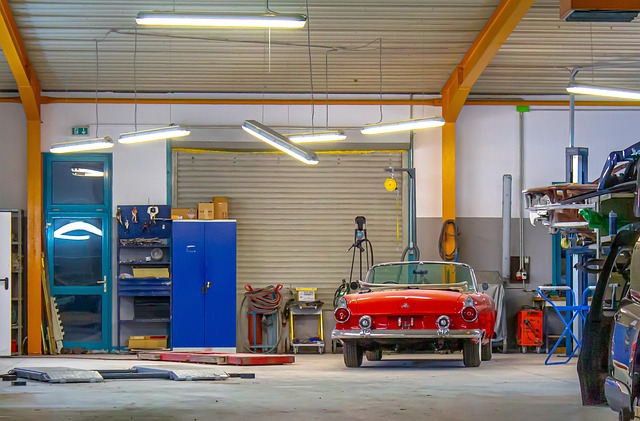
The automotive service industry in 2026 stands at a fascinating crossroads. While predictions of electric vehicles rendering traditional repair shops obsolete dominated headlines a decade ago, the reality has proven far more nuanced. Yes, EVs are proliferating, but the 280 million internal combustion vehicles currently on U.S. roads aren’t disappearing overnight. These aging vehicles—averaging 12.5 years old—require more maintenance than ever, creating sustained demand for skilled repair services. Simultaneously, the industry faces a critical technician shortage, with an estimated 642,000 unfilled positions by 2024 persisting into 2026. This supply-demand imbalance creates unprecedented opportunity for entrepreneurs willing to build businesses that blend traditional mechanical expertise with modern customer experience standards.
But starting an auto repair shop requires a fundamentally different mindset than working as a technician. The transition from wrench-turner to business owner demands skills rarely taught in technical programs: financial management, marketing strategy, personnel development, regulatory compliance, and operational systems design. Many talented mechanics launch shops armed with technical expertise but lacking business acumen, leading to the sobering statistic that 50% of new auto repair businesses fail within five years. The difference between thriving shops and failed ventures isn’t technical skill—it’s systematic business execution.
This comprehensive guide provides a detailed roadmap for successfully starting an auto repair shop in 2026. We’ll examine the financial realities you must understand before signing a lease, navigate the complex web of legal requirements and licensing, explore location selection strategies that maximize customer access, detail equipment procurement decisions that balance capability with capital constraints, and outline marketing systems that fill your bays from day one. Whether you’re a seasoned technician ready to hang your own shingle or an entrepreneur entering the automotive service sector, this guide provides the strategic framework necessary to build a profitable, sustainable business.
The entrepreneurial journey of starting an auto repair shop is challenging but immensely rewarding. Shop owners who execute systematically report not just financial success—average established shops generate $500K-$2M+ in annual revenue—but also the professional satisfaction of building something lasting. You’ll create jobs, serve your community, and establish a valuable asset that can eventually be sold or passed to the next generation. Let’s explore exactly how to turn that vision into reality with ten essential steps that separate successful launches from costly failures.
The Financial Reality of Starting An Auto Repair Shop
The romantic vision of opening your own shop often collides brutally with financial reality. Starting an auto repair shop requires substantial upfront capital—typically $100,000 to $500,000 depending on scope, location, and whether you’re building from scratch or acquiring an existing business. This isn’t money you’ll recoup quickly; expect 12-24 months before reaching profitability as you build clientele and refine operations. Understanding these financial requirements in granular detail prevents the undercapitalization that kills most new businesses.
Break down your startup costs into discrete categories. Equipment represents your largest investment: lifts ($3,000-$15,000 each), diagnostic scanners ($3,000-$10,000), air compressors ($2,000-$5,000), specialty tools ($10,000-$30,000), and tire mounting/balancing equipment ($5,000-$15,000). A modest two-bay shop requires minimum $50,000-$80,000 in equipment; expanding to four bays doubles that figure. Leasehold improvements add another $20,000-$100,000 depending on your space’s condition—expect costs for bay doors, ventilation systems, compressed air lines, electrical upgrades, and customer waiting area buildout. First month’s rent, security deposit, and initial inventory consume another $15,000-$40,000. Don’t forget insurance ($5,000-$15,000 annually), business licenses and permits ($1,000-$5,000), initial marketing ($5,000-$10,000), and working capital to cover operating expenses during your ramp-up period ($30,000-$60,000).
Securing funding for starting an auto repair shop typically involves combining personal capital with external financing. SBA 7(a) loans remain the gold standard for small business financing, offering favorable terms (10-25 year repayment, 6-9% interest rates) and loan amounts up to $5 million. However, SBA loans require strong personal credit (680+ score preferred), detailed business plans, and often 10-20% down payment. The application process takes 60-90 days minimum. Alternative funding includes equipment financing (where the equipment itself serves as collateral), business lines of credit for operational flexibility, and private investors or partners who contribute capital in exchange for equity. Each funding source carries distinct advantages and constraints; most successful launches utilize a combination.
Calculate your break-even point with ruthless precision. If your monthly fixed costs (rent, insurance, loan payments, minimum staffing) total $25,000 and your average gross profit margin is 60%, you need $41,667 in monthly revenue just to break even. At an average repair order of $400, that’s 104 completed jobs monthly—roughly 25 per week or 5 daily. This analysis reveals whether your market can support your shop and how long you can sustain losses during ramp-up. Build a detailed 24-month cash flow projection modeling conservative, moderate, and optimistic revenue scenarios. This exercise forces you to confront financial reality before committing capital, dramatically improving your odds of success when starting an auto repair shop.
Navigating Legal Requirements and Licensing
The regulatory landscape for automotive repair shops is complex, multilayered, and varies significantly by state and municipality. Navigating these requirements correctly from day one prevents costly fines, operational shutdowns, and legal liability that can sink your business before it gains traction. While the paperwork feels tedious compared to turning wrenches, proper legal foundation is non-negotiable infrastructure for sustainable operation.
Your first decision is business structure. Most new shop owners choose between LLC (Limited Liability Company) and S-Corporation, each offering personal asset protection but with different tax implications. LLCs provide simplicity—easier formation, minimal compliance requirements, pass-through taxation where profits flow to your personal return. S-Corps offer potential tax savings by allowing you to pay yourself a reasonable salary (subject to payroll taxes) while taking additional profits as distributions (avoiding self-employment tax), but require more administrative overhead including payroll processing and corporate formalities. Consult with a CPA familiar with automotive businesses to model your specific situation; the “right” choice depends on expected profitability, number of owners, and exit strategy. Budget $500-$2,000 for proper entity formation including articles of organization, operating agreement, and EIN registration.
Environmental regulations represent a critical compliance area many new owners underestimate. Auto repair shops generate hazardous waste—used oil, antifreeze, solvents, filters, batteries, tires—that cannot be disposed of in regular trash. You’ll need waste oil storage tanks, proper containment for fluids, spill response kits, and contracts with licensed waste haulers. Most states require registration as a hazardous waste generator (small, large, or conditionally exempt depending on volume). California, for instance, mandates auto repair shops obtain hazardous materials permits and undergo facility inspections. Violations carry severe penalties—$10,000+ fines and potential criminal charges. Budget $3,000-$10,000 for initial environmental compliance including tanks, containment, and hauler contracts.
Insurance requirements extend far beyond standard general liability. You need garage keepers legal liability insurance (covers customer vehicles while in your care, custody, and control), workers compensation (legally required when you hire employees), general liability (protects against slip-and-fall and property damage claims), and commercial property insurance (covers your building contents, tools, and equipment). Many shops also carry garagekeepers direct coverage (pays first-party claims without proving negligence), cyber liability (protects customer data), and commercial auto (covers test drives and parts runs). Total insurance costs typically run $8,000-$20,000 annually depending on coverage limits, location, and claims history. Work with an insurance broker specializing in automotive businesses to ensure proper coverage without overpaying for unnecessary policies.
Location Scouting and Shop Layout Optimization
Location selection ranks among your most consequential decisions, yet many new owners approach it backwards—choosing based on available real estate rather than strategic market positioning. The perfect location balances visibility, accessibility, demographic alignment, competitive landscape, and lease economics. Getting this decision right sets the foundation for sustainable growth; getting it wrong creates a constant uphill battle for customer acquisition.
Conventional wisdom suggests targeting “car-heavy” neighborhoods with high vehicle ownership and older housing stock. But this oversimplifies location strategy. You want areas with sufficient vehicle density but—critically—underserved by existing quality shops. Run competitive analysis within a 3-5 mile radius of potential locations. Count competing full-service repair shops, assess their review ratings and service offerings, and identify gaps. An area with 50,000 residents, 75,000 registered vehicles, but only two mediocre competitors (3.2-star reviews, outdated facilities) represents opportunity. The same demographics with eight well-established shops (4.5+ stars, modern operations) means brutal competition for market share.
Visibility and accessibility trump raw demographic density. Your ideal location sits on a high-traffic thoroughfare (15,000+ daily vehicles) with excellent signage visibility, easy ingress/egress, and ample parking. Second-floor suites or locations hidden behind other buildings save rent but cost exponentially more in customer acquisition. “Drive-by awareness”—potential customers seeing your shop during their daily routines—provides free, continuous advertising worth thousands monthly. Proximity to complementary businesses (car washes, tire shops, auto parts stores) creates beneficial customer overlap. Avoid locations near dealerships who dominate warranty work or quick-lube chains that undercut oil change pricing.
Internal layout design directly impacts operational efficiency and profitability. Traditional shops allocate 70-80% of space to service bays and 20-30% to customer-facing areas. Modern successful shops flip this ratio, investing in spacious, comfortable waiting areas that reduce customer anxiety and support premium pricing. Your bay layout should minimize technician movement—parts storage within 15 feet of lifts, tool carts at each station, centralized diagnostic equipment accessible to all bays. Design workflow to prevent bottlenecks: separate areas for quick services (oil changes) versus complex repairs (engine work), dedicated inspection bay, and adequate space for vehicles awaiting parts or customer approval.
Lease negotiations deserve intense scrutiny. Commercial leases typically run 3-5 years with options to renew. Negotiate tenant improvement allowances (landlord contributes $10-$30 per square foot for buildout), rent abatement for your first 2-3 months (while you’re building out and can’t generate revenue), and clearly defined CAM (common area maintenance) charges. Insist on options to renew at predetermined rates to prevent crippling rent increases once you’ve established your business. Budget for 2,000-4,000 square feet minimum for a viable two-bay operation; expect $2,000-$6,000 monthly rent depending on market. Location excellence justifies premium rent—your visibility, accessibility, and customer convenience deliver ROI that cheap locations in poor areas never achieve.
Inventory and Equipment Procurement
Equipment decisions represent the intersection of capability and capital constraints. Buy too little and you’ll turn away profitable work; buy too much and you’ll bury yourself in debt servicing equipment that sits idle. The key is identifying the “must-haves” that enable competent general repair versus “nice-to-haves” that can be added as revenue grows. This prioritization requires understanding exactly what services you’ll offer in Year 1 versus your 3-5 year vision.
Your essential equipment list for a two-bay general repair shop includes: two four-post or two-post lifts ($6,000-$30,000 depending on quality and weight capacity), a professional-grade diagnostic scanner capable of accessing all vehicle systems ($4,000-$8,000), air compressor with adequate CFM for impact tools and tire work ($2,000-$5,000), tire changer and wheel balancer ($6,000-$12,000 for the set), brake lathe ($2,500-$6,000), parts washer ($800-$2,000), comprehensive hand tool sets for each technician ($3,000-$8,000 per tech), specialized tools for common repairs (spring compressors, pullers, presses totaling $5,000-$10,000), and an AC recovery/recharge machine ($2,000-$4,000). This baseline enables you to competently perform 80% of common repairs: brakes, suspension, oil changes, tune-ups, AC service, basic diagnostics, and tire service.
The buy-versus-lease decision hinges on cash flow and tax strategy. Purchasing equipment outright provides ownership and avoids long-term lease costs, but ties up capital. Section 179 tax deductions allow you to expense up to $1.16 million in equipment purchases in the year placed in service, providing significant tax benefits. Equipment leasing preserves capital, provides payment flexibility, and often includes maintenance coverage, but costs more over the equipment’s lifetime. A hybrid approach works well: purchase essential tools outright, lease major equipment like lifts and diagnostic scanners. As you generate positive cash flow, buy out leases or purchase additional equipment with retained earnings.
Parts inventory strategy balances convenience against capital tie-up. Maintain minimal inventory focused on fast-moving consumables: oil filters for common vehicles, air filters, wiper blades, basic belts and hoses, brake pads for popular models, and common fluids. This “just-in-time” approach requires establishing relationships with local parts suppliers offering same-day or next-day delivery. Open accounts with 2-3 suppliers (NAPA, AutoZone Commercial, O’Reilly Professional) to ensure competitive pricing and availability. Many suppliers offer credit terms (Net 30) that improve cash flow—you bill the customer today and pay the supplier in 30 days. Negotiate volume discounts as your purchasing increases; shops spending $10,000+ monthly can often secure additional 5-10% off list prices.
Resist the temptation to buy every specialty tool upfront. Instead, rent or borrow specialty equipment for specific jobs, then purchase once you’re performing that service regularly. For example, if you complete one transmission job in your first three months, renting a transmission jack ($50/day) beats buying one ($800). After your tenth transmission, purchase makes sense. This disciplined approach prevents capital waste on equipment that generates insufficient return, keeping your balance sheet lean and your cash flow positive during the critical launch phase when starting an auto repair shop.
Marketing Strategies for Starting An Auto Repair Shop
Marketing for starting an auto repair shop differs fundamentally from marketing an established business. You lack social proof (reviews, testimonials), brand recognition, and customer database. Your challenge is building credibility and awareness simultaneously while operating on startup budgets. The good news? Digital marketing tools democratize access to customers, allowing smart startups to compete with established shops through strategic execution rather than brute-force spending.
Your digital foundation starts with a professional website and Google Business Profile. Your website needn’t be elaborate—a clean, mobile-responsive site clearly communicating your services, location, hours, contact information, and brand promise suffices. Include compelling “About Us” content sharing your story, credentials, and what differentiates you from competitors. Budget $2,000-$5,000 for professional web design or use platforms offering free website design for business to conserve capital. Your Google Business Profile (GBP) is even more critical—it’s often the first touchpoint for local searches. Claim and optimize your listing obsessively: select precise categories, upload high-quality photos, write a compelling description incorporating location keywords, and enable messaging for direct customer contact.
Local SEO represents your most cost-effective customer acquisition channel. Optimize your website for location-specific searches: “auto repair [neighborhood],” “mechanic near [landmark],” “brake service [city].” Create dedicated service pages for each major offering (brake repair, oil changes, transmission service) targeting long-tail keywords. Ensure NAP (Name, Address, Phone) consistency across all online directories—even minor discrepancies confuse search engines. Use tools like Zapier to automate citation management across Yelp, YellowPages, BBB, and automotive directories. Local SEO takes 3-6 months to gain traction, but once established delivers consistent qualified leads at minimal ongoing cost.
Launch promotions build your initial customer database while generating working capital. Offer aggressive introductory discounts: “$19.99 oil changes for first-time customers” or “50% off brake inspection with any service.” Yes, you’ll lose money on these transactions, but you’re purchasing customer relationships, not profit. Each customer who has a positive experience becomes a potential repeat buyer and referral source. Collect email addresses and phone numbers religiously, building your database for future marketing. Send post-service surveys requesting online reviews—early five-star reviews are worth their weight in gold for new shops lacking social proof. For shops looking to implement comprehensive customer acquisition systems, exploring proven auto repair advertising strategies can accelerate growth beyond organic efforts alone.
Community involvement builds brand recognition and goodwill that pays dividends for years. Sponsor local youth sports teams ($500-$2,000 per season) to get your logo on jerseys and signs at popular venues. Participate in chamber of commerce events and local business associations. Offer free car care clinics at senior centers or community centers, providing basic education (how to check oil, when to replace wiper blades) that positions you as a trusted expert. Donate to school auctions and fundraisers. These activities won’t fill your bays next week, but they establish you as a committed community member rather than just another business extracting profit, building trust that converts to long-term customer relationships when starting an auto repair shop in a competitive market.
Recruitment and Retention of A-Level Technicians
The automotive technician shortage represents your single greatest operational challenge. An estimated 642,000 unfilled technician positions nationwide means you’re competing for scarce talent against dealerships, chain operations, and established independent shops—all with deeper pockets and more brand recognition than your startup. Winning this competition requires offering not just competitive compensation, but compelling career development, positive culture, and operational systems that make technicians’ jobs easier rather than harder.
Compensation packages must balance market competitiveness with your startup economics. Entry-level techs (1-3 years experience) command $15-$22/hour or $30,000-$45,000 annually. Experienced technicians (5+ years, ASE certifications) expect $25-$35/hour or $50,000-$70,000+ annually. Master technicians with specialized skills (European, diesel, hybrid/EV) can demand $75,000-$100,000+. Most shops pay flat-rate or hybrid compensation—technicians earn based on billed hours rather than clock hours. This aligns incentives (faster, efficient work increases earnings) but requires adequate workflow to keep techs productive. Supplement base pay with health insurance (major recruiting advantage as many small shops don’t offer benefits), paid time off, continuing education support, and tool allowances. Total compensation packages (wages plus benefits) should target 25-30% of revenue for sustainable margins.
Define your shop culture deliberately from day one. Will you be a high-volume, efficiency-focused operation maximizing throughput? Or a quality-first shop that takes time to diagnose correctly and fix right the first time? Will you specialize or remain generalists? These aren’t just philosophical questions—they determine whom you hire, how you train, and how you compensate. Document your mission, values, and operating principles. Share these during interviews to ensure cultural fit. Technicians who thrive in chain quick-lube environments often struggle in quality-focused independent shops and vice versa. Cultural alignment prevents costly mis-hires that damage morale and customer service.
Performance-based incentive structures increase motivation and retention while aligning employee interests with business success. Structure bonuses around metrics technicians can directly influence: productivity (billable hours per week), efficiency (beating flat-rate times), quality (low comeback rate), and customer satisfaction (review scores). Avoid incentivizing speed at the expense of quality—technicians rushing to maximize hours create comebacks that destroy profitability and reputation. Quarterly bonuses based on shop profitability give all staff ownership in overall success. Profit-sharing plans (5-10% of net profits distributed to employees) create long-term alignment and reduce turnover. Generous referral bonuses ($500-$1,000 for referring quality technician hires) tap your team’s networks to solve your most pressing challenge—finding skilled labor.
Implementing Management Software and Systems
The transition from paper work orders to integrated shop management systems represents a defining moment for new shop owners. Paper-based operations might feel familiar and simple, but they prevent the systematic data collection, workflow automation, and customer communication that separate thriving modern shops from those perpetually struggling. Implementing technology from day one establishes scalable infrastructure that supports growth rather than constraining it.
Shop Management Systems (SMS) integrate all operational functions: work order creation, inventory tracking, customer database management, parts ordering, invoicing, payment processing, reporting, and analytics. Leading platforms include Shopware, Mitchell 1, AutoFluent, and Tekmetric, typically costing $100-$400 monthly depending on features and user count. These systems pay for themselves through improved efficiency (faster work order creation, automated invoicing), reduced errors (no lost paper tickets, automated parts tracking), and better customer service (appointment reminders, service history access). Modern cloud-based systems allow you to monitor your business from anywhere—reviewing daily revenue, checking technician productivity, or approving estimates from your phone.
Digital Vehicle Inspections (DVI) transform how you communicate with customers and dramatically increase average repair orders. DVI systems (often integrated with your SMS) allow technicians to document vehicle condition with photos and videos during inspection. Worn brake pads, leaking fluids, cracked belts—all captured visually with timestamp and mileage, then texted or emailed to customers with color-coded recommendations. This transparency builds trust, increases approval rates on recommended services, and provides documentation protecting against liability claims. DVI systems cost $50-$150 per bay monthly but typically increase average repair orders by 20-35%, delivering massive ROI within weeks.
Marketing automation rescues relationships from falling through cracks. Automated appointment reminders (text or email 24-48 hours before scheduled service) reduce no-shows by 30-50%. Service reminder sequences (automated emails 3-6 months after oil changes reminding customers it’s time for next service) capture recurring revenue before customers forget or drift to competitors. Review request automation (text or email 24-48 hours after service with one-click link to Google review page) systematically builds your online reputation. Post-service follow-ups (“How was your experience? Any concerns?”) demonstrate care while catching problems before they become negative reviews. These automated touchpoints create consistent customer communication impossible to maintain manually, building relationships that drive retention and referrals. For shops looking to implement comprehensive growth systems including technology infrastructure, exploring strategies to grow auto repair shop operations provides frameworks that integrate technology with broader business development.
Your First 90 Days
The journey of starting an auto repair shop demands more than technical expertise—it requires entrepreneurial vision, financial discipline, regulatory compliance, strategic marketing, and systematic operational execution. The ten essential steps outlined in this guide provide the framework for transforming your vision into a profitable, sustainable business. But knowledge without implementation accomplishes nothing. Your success depends on disciplined execution of these principles during your critical first 90 days.
Days 1-30 focus on infrastructure: finalize legal structure, secure location, order equipment, establish supplier relationships, implement technology systems, and complete buildout. Days 31-60 shift to launch preparation: hire core staff, establish operating procedures, launch marketing campaigns, secure initial customers through aggressive promotions, and refine workflow based on early learnings. Days 61-90 concentrate on optimization: analyze which marketing channels deliver best ROI, identify operational bottlenecks, adjust pricing based on market feedback, and systematize successful processes for scalability.
The entrepreneurial journey of starting an auto repair shop will test you. You’ll face unexpected challenges—equipment breakdowns, difficult customers, staffing issues, cash flow crunches, competitive pressure. These obstacles separate entrepreneurs who succeed from those who fail. Approach each challenge as a learning opportunity, maintain financial discipline even under pressure, invest in systems and people that compound over time, and never compromise the quality and integrity that build lasting customer relationships. The reward for this discipline is a valuable business asset generating income, creating jobs, serving your community, and providing options—whether working less while maintaining income, selling for maximum value, or building a legacy to pass on. Your first 90 days begin now.

Juan is a Digital Advertising / SEM Specialist with over 10 years of experience with Google AdWords, Bing Ad Center, Facebook, LinkedIn, Google Analytics, HTML, and WordPress. He is a co-founder of Sheaf Media Group and has work in several online advertising projects for retail, automotive, and service industries. Additionally, Juan holds a bachelor’s degree in Psychology and has a deep interest in the science of human behavior which he attributes as the key factor for his success in the advertising world.