


Your website is often the first impression potential customers have of your business. In today’s digital world, that impression matters more than ever.
If your small business doesn’t have a professional website, you’re losing customers to competitors who do. Studies show that 75% of consumers judge a company’s credibility based on its website design.
That’s where web design services for small business come in. These services help you create a stunning online presence that attracts customers and drives sales.
But choosing the right service can feel overwhelming. Should you hire a freelancer? Use a template? Invest in custom design?
This guide walks you through 5 essential steps to find the perfect web design services for small business that fit your budget and goals. You’ll learn what features matter most, how to avoid common mistakes, and how to maximize your return on investment.
Whether you’re building your first website or redesigning an existing one, understanding web design services for small business is crucial for success in 2025 and beyond.
Why Web Design Services for Small Business Are Critical in 2025
The digital landscape has changed dramatically. Today’s consumers expect instant access to information, seamless mobile experiences, and fast-loading websites.
Your website isn’t just a digital brochure anymore. It’s your 24/7 salesperson, customer service representative, and brand ambassador all rolled into one.
Research shows that it takes only 0.05 seconds for visitors to form an opinion about your website. That’s faster than a blink of an eye.
During that split second, they’re deciding whether to stay and explore or click away to a competitor. Professional web design services for small business ensure you make the right impression.
Google’s algorithms now prioritize mobile-friendly, fast-loading websites. If your site doesn’t meet these standards, you’ll rank lower in search results.
This means fewer people will find your business organically. And organic search is often the most cost-effective way to attract new customers.
Consider this: 88% of online consumers are less likely to return to a site after a bad experience. That’s a huge opportunity cost.
Small businesses that invest in quality web design services for small business see an average ROI of 200-300% within the first year. This includes increased traffic, higher conversion rates, and improved customer trust.
Your competitors are already investing in their online presence. Can you afford not to?
The good news is that professional web design services for small business are more accessible than ever. You don’t need a Fortune 500 budget to create a website that converts.
Types of Web Design Services for Small Business
Understanding your options is the first step to making an informed decision. Let’s explore the main types of web design services for small business available today.
Custom Website Design
Custom design means your website is built from scratch specifically for your business. Every element is tailored to your brand, goals, and target audience.
This approach offers maximum flexibility. You’re not limited by template constraints or platform restrictions.
Custom websites can grow with your business. Need to add new features? Want to integrate with specific software? Custom design makes it possible.
The trade-off is cost and time. Custom projects typically take 2-4 months and start at $5,000-$15,000 for small business sites.
But for businesses with unique needs or strong branding requirements, custom design is worth the investment. Working with a professional website design company ensures you get expert guidance throughout the process.
Template-Based Design
Template-based design uses pre-built themes that you customize with your content, colors, and images. Platforms like WordPress, Squarespace, and Wix offer thousands of templates.
This is the most budget-friendly option for web design services for small business. You can launch a professional-looking site for $500-$3,000.
Templates are also faster. Many businesses go live within 2-4 weeks.
The downside? You’re working within the template’s limitations. Significant customization may require coding knowledge or additional developer help.
Templates work well for straightforward business sites like service providers, consultants, and local businesses. They’re less ideal for e-commerce stores or businesses needing complex functionality.
If you’re considering this route, some businesses even qualify for free website design for business programs that can help you get started.
E-commerce Solutions
If you sell products online, you need specialized web design services for small business that include e-commerce functionality.
E-commerce platforms like Shopify, WooCommerce, and BigCommerce provide shopping cart systems, payment processing, and inventory management.
These solutions handle the technical complexity of online sales. You focus on products and marketing while the platform manages transactions securely.
Pricing varies widely. Basic e-commerce sites start around $2,000-$5,000, while custom stores can exceed $20,000.
The key is choosing a platform that can scale. As your product catalog grows and sales increase, your website needs to keep up.
Responsive Design Services
Responsive design ensures your website looks great and functions perfectly on all devices—desktops, tablets, and smartphones.
This isn’t optional anymore. Over 60% of web traffic now comes from mobile devices. Google explicitly penalizes sites that aren’t mobile-friendly.
Most modern web design services for small business include responsive design as standard. But it’s worth confirming before you commit.
A truly responsive site doesn’t just shrink content to fit smaller screens. It reorganizes navigation, adjusts image sizes, and optimizes load times for mobile networks.
Testing across multiple devices is crucial. Your developer should show you how the site performs on various screen sizes before launch.
Step 1: Assess Your Business Goals and Define Your Requirements
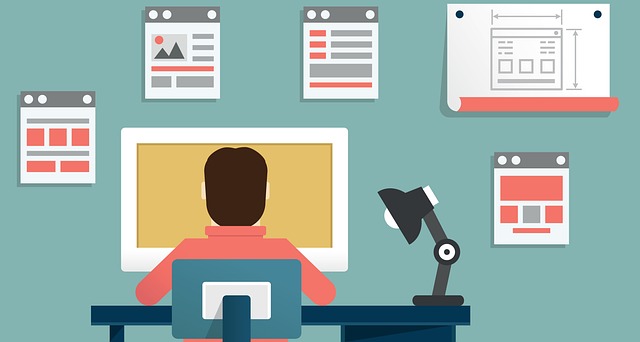
Before you contact any designers, you need clarity on what you want to achieve. This prevents costly revisions and ensures you get the right web design services for small business for your needs.
Start by identifying your primary goal. Are you trying to generate leads? Sell products? Build brand awareness? Provide customer support?
Your website’s purpose shapes every design decision. A lead generation site needs prominent contact forms and calls-to-action. An e-commerce site prioritizes product displays and checkout flow.
Next, define your target audience. Who are your ideal customers? What problems do they need solved? What questions do they have before buying?
Creating user personas helps. Give your ideal customer a name, age, job, and specific needs. Then design your site to address those needs directly.
Think about your customer journey. How do people typically find your business? What information do they need to make a purchase decision? What objections might they have?
Map out the key pages your site needs. Most small business sites include Home, About, Services/Products, Testimonials, and Contact pages. You might also need a Blog, FAQ, or Portfolio section.
Consider must-have versus nice-to-have features. Maybe you absolutely need appointment booking functionality but can launch without a customer portal initially.
Research your competitors. What do their websites do well? Where do they fall short? This competitive analysis helps you identify opportunities to stand out.
Understanding these elements upfront helps you communicate clearly with potential web design services for small business providers. You’ll get more accurate quotes and better end results.
Step 2: Choose the Right Web Design Service Provider
Now comes the important decision: who will actually build your website? You have three main options for web design services for small business.
Freelance Designers
Freelancers typically offer the lowest prices. You might find talented designers for $2,000-$7,000 for a complete small business site.
The challenge is vetting quality. Look for designers with strong portfolios, client testimonials, and relevant experience in your industry.
Freelancers can be excellent for straightforward projects. But they may lack resources for complex functionality or have limited availability for ongoing support.
Design Agencies
Agencies provide full-service web design services for small business including strategy, design, development, and ongoing maintenance.
You get access to a team of specialists—designers, developers, copywriters, and SEO experts. This comprehensive approach often yields better results.
Agencies cost more, typically $5,000-$25,000 for small business projects. But you’re paying for expertise, accountability, and professional project management.
DIY Platforms
Platforms like Wix, Squarespace, and WordPress.com let you build sites yourself with drag-and-drop tools.
This is the cheapest option—often under $500 for your first year. It’s great if you’re tech-savvy and have time to learn.
The downside is the time investment and learning curve. What seems simple often becomes complicated when you want specific features or customization.
Evaluating Providers
Regardless of which route you choose, ask these critical questions:
Can I see your portfolio? Review 5-10 past projects. Do they look professional? Do the sites load quickly? Are they mobile-friendly?
What’s your process? Good providers have a clear workflow—discovery, wireframing, design, development, testing, launch, and support.
How long will it take? Typical timelines range from 2 weeks (simple templates) to 4 months (complex custom sites).
What happens after launch? Do they offer training? Ongoing support? Maintenance packages?
Who owns the website? Make sure the contract specifies that you own your domain, content, and website files.
Check references. Contact 2-3 past clients and ask about communication, timeliness, problem-solving, and overall satisfaction.
Red flags to avoid: providers who guarantee #1 Google rankings, refuse to show portfolios, pressure you to decide immediately, or can’t explain their process clearly.
Look for providers who ask thoughtful questions about your business and goals. The best web design services for small business act as strategic partners, not just order-takers.
When evaluating candidates, consider the 7 key qualities every small business web developer should have to ensure you’re making the right choice.
Step 3: Essential Features and Budget Planning
Your website needs certain core features to be effective. Let’s break down what matters most for web design services for small business.
Must-Have Website Features
Fast Loading Speed
Your site should load in under 3 seconds. Every additional second increases bounce rates by 32%. Optimize images, use efficient code, and choose good hosting.
Clear Calls-to-Action
Every page needs obvious next steps. “Call Now,” “Get a Quote,” “Schedule Consultation”—make it crystal clear what visitors should do.
Contact Information
Display your phone number, email, and physical address prominently. Include a contact form for people who prefer that option.
About Page
Tell your story. Who are you? Why should customers trust you? Include team photos and credentials to build credibility.
SEO-Friendly Structure
Proper heading tags, meta descriptions, alt text for images, and clean URLs help search engines understand your content.
SSL Certificate
The little padlock icon in the browser bar signals security. Google penalizes sites without SSL, and customers won’t trust you without it.
Analytics Integration
Install Google Analytics from day one. You can’t improve what you don’t measure. Track visitors, page views, and conversion rates.
Mobile Optimization
Your site must work flawlessly on smartphones. Test all forms, buttons, and navigation on actual mobile devices.
Budget and Pricing for Web Design Services for Small Business
Understanding costs helps you plan realistically. Let’s break down typical pricing for web design services for small business.
One-Time Design Costs
DIY templates: $0-$500
Template customization: $1,000-$3,000
Semi-custom design: $3,000-$8,000
Fully custom design: $8,000-$25,000+
Domain and Hosting
Domain name: $10-$20/year
Basic hosting: $5-$30/month
Premium hosting: $30-$100/month
Ongoing Expenses
Maintenance and updates: $50-$300/month
Content updates: $50-$150/hour
Security monitoring: $10-$50/month
Backup services: $5-$20/month
ROI Considerations
Don’t just look at costs—consider value. A $10,000 website that generates $50,000 in new business annually is a bargain. A $1,000 site that generates nothing is expensive.
Calculate your customer lifetime value. If each new customer is worth $1,000 and your website brings in 5 new customers monthly, that’s $60,000 annually.
Most businesses see positive ROI within 6-12 months of launching professional web design services for small business.
Many providers offer payment plans. Instead of $8,000 upfront, you might pay $1,000 down and $500/month for 14 months. This makes quality design more accessible.
Remember that the cheapest option often costs more long-term. Poor design leads to lost customers, expensive fixes, and platform migrations.
For creative inspiration and to see what’s possible in modern web design, browse portfolios on Dribbble where top designers showcase their work.
Step 4: Optimize for Search Engines and Conversions
A beautiful website means nothing if people can’t find it. That’s where SEO and conversion optimization come in.
Search engine optimization (SEO) helps your site rank higher in Google. Higher rankings mean more visitors. More visitors mean more potential customers.
Start with keyword research. What terms do your customers search for? Tools like Google Keyword Planner show search volumes and competition levels.
Focus on local keywords if you serve a specific area. “Plumber in Austin” is more valuable than just “plumber” for a local business.
Incorporate keywords naturally into your content. Don’t stuff them awkwardly—write for humans first, search engines second.
Create compelling title tags and meta descriptions for each page. These appear in search results and influence click-through rates.
Build internal links between related pages. This helps visitors navigate and helps search engines understand your site structure.
Publish regular blog content. Fresh, relevant content signals to Google that your site is active and authoritative.
Optimize your images. Use descriptive filenames and alt text. Compress files so they don’t slow your site down.
Quality web design services for small business include basic SEO setup. But ongoing optimization requires consistent effort.
Conversion Rate Optimization
Traffic is great, but conversions are what matter. A conversion is any desired action—a phone call, form submission, purchase, or download.
Make your value proposition obvious. Within 5 seconds, visitors should understand what you offer and why it matters to them.
Reduce friction. Every extra form field or unnecessary click reduces conversions. Keep processes simple and intuitive.
Use social proof. Display testimonials, case studies, and trust badges. Show that real people get real results from your business.
Create urgency when appropriate. Limited-time offers, low stock warnings, or booking deadlines can motivate action.
A/B testing reveals what works. Test different headlines, button colors, or page layouts. Small changes can significantly impact conversions.
Implement heat mapping tools like Hotjar. See where visitors click, how far they scroll, and where they get confused or frustrated.
Set up goal tracking in Google Analytics. Monitor which traffic sources convert best. Double down on what works.
The best web design services for small business design with conversion in mind from the start—not as an afterthought.
Step 5: Launch and Maintain Your Website
You’re almost ready to launch. But the work doesn’t end on launch day—it’s just beginning.
Pre-Launch Checklist
Before going live, test everything thoroughly. Click every link. Submit every form. Try every feature on multiple browsers and devices.
Check for spelling and grammar errors. Have multiple people proofread your content. Typos damage credibility.
Verify that all images load properly and look sharp on high-resolution screens.
Test your site speed using Google PageSpeed Insights. Aim for scores above 80 on mobile and desktop.
Confirm that your SSL certificate is installed and working. Your URL should show “https://” not “http://”.
Set up Google Analytics and Google Search Console. These tools provide invaluable insights about your traffic and search performance.
Create and submit an XML sitemap to search engines. This helps them discover and index your pages faster.
Launch Strategy
Consider a soft launch first. Share your site with a small group—employees, friends, trusted customers. Gather feedback and make final adjustments.
Then do your full launch. Announce it via email, social media, and any other channels where your audience hangs out.
Don’t expect immediate results. It takes time for search engines to index your site and for your marketing efforts to gain traction.
Ongoing Maintenance
Websites aren’t “set it and forget it.” Regular maintenance keeps your site secure, fast, and effective.
Update your platform and plugins monthly. Outdated software creates security vulnerabilities that hackers exploit.
Back up your site weekly. If something goes wrong, you can restore quickly without losing data.
Monitor site speed quarterly. As you add content, performance can degrade. Regular optimization keeps things fast.
Review your analytics monthly. Which pages get the most traffic? Where do visitors leave? Use data to guide improvements.
Refresh your content regularly. Update statistics, add new testimonials, publish blog posts. Fresh content improves SEO and keeps visitors engaged.
Test your forms and features monthly. A broken contact form means lost leads. Catch problems before customers do.
Many web design services for small business offer maintenance packages. Prices range from $50-$300/month depending on the level of service.
This ongoing investment protects your initial investment. A neglected website quickly becomes outdated, insecure, and ineffective.
Scaling Your Website
As your business grows, your website should too. Plan for scalability from the beginning.
Can your hosting handle increased traffic? Will your platform support new features you might need?
Good web design services for small business build sites that can expand without requiring complete rebuilds.
Schedule annual reviews. Assess whether your site still serves your goals. Technology and design trends evolve—your site should keep pace.
Common Mistakes Small Businesses Make with Web Design

Even with the best intentions, businesses often make avoidable mistakes when choosing web design services for small business. Learn from others’ errors.
Mistake #1: Neglecting Mobile Users
Designing for desktop first is backwards. Start with mobile design, then scale up. Test extensively on actual smartphones, not just browser emulators.
Mistake #2: Information Overload
More isn’t better. Cluttered pages overwhelm visitors. Focus on your core message. Use white space strategically. Break text into scannable chunks.
Mistake #3: Poor Navigation
If visitors can’t find what they need in 2-3 clicks, they’ll leave. Keep navigation simple and intuitive. Use clear labels. Avoid deep menu hierarchies.
Mistake #4: Ignoring Site Speed
Fancy animations and huge images might look cool, but they kill performance. Prioritize speed over bells and whistles. Fast sites convert better.
Mistake #5: Forgetting Accessibility
20% of Americans have disabilities. Accessible design isn’t just ethical—it’s good business. Use proper heading hierarchy, alt text, and color contrast.
Mistake #6: Weak Calls-to-Action
Don’t make visitors guess what to do next. Use action-oriented language. Make buttons stand out visually. Place CTAs strategically throughout your site.
Mistake #7: Not Updating Content
A blog with posts from 2019 signals neglect. If you can’t commit to regular updates, don’t have a blog. Focus on keeping your core pages current.
Avoiding these pitfalls requires choosing experienced web design services for small business that understand not just design, but strategy and user experience.
Conclusion
Investing in professional web design services for small business is one of the smartest decisions you can make in 2025.
Your website is your hardest-working employee. It never sleeps, never takes vacation, and represents your brand to thousands of potential customers.
We’ve covered the 5 essential steps: understanding why professional design matters, exploring your options, assessing your needs, choosing the right provider, planning your budget and features, optimizing for search and conversions, and maintaining your site post-launch.
The businesses that succeed online don’t have the biggest budgets—they have clear goals, strategic thinking, and commitment to quality.
Whether you choose custom design, templates, or something in between, the key is taking action. A professional website isn’t an expense—it’s an investment that pays dividends for years.
Ready to transform your online presence? Start by defining your goals, researching providers, and setting a realistic budget. Your future customers are searching right now. Make sure they find a website that convinces them you’re the right choice.
Don’t let another month pass with an outdated or non-existent website. The right web design services for small business can help you compete with much larger companies and win customers in your market.
Take the first step today.

Juan is a Digital Advertising / SEM Specialist with over 10 years of experience with Google AdWords, Bing Ad Center, Facebook, LinkedIn, Google Analytics, HTML, and WordPress. He is a co-founder of Sheaf Media Group and has work in several online advertising projects for retail, automotive, and service industries. Additionally, Juan holds a bachelor’s degree in Psychology and has a deep interest in the science of human behavior which he attributes as the key factor for his success in the advertising world.