



Introduction to ChatGPT Website Limitations
Understanding what are the limitations of the ChatGPT website? has become increasingly crucial as millions of users rely on this AI assistant for everything from creative writing to complex problem-solving. While ChatGPT has revolutionized how we interact with artificial intelligence, it’s essential to recognize its boundaries to set realistic expectations and use the tool effectively.
As we navigate through 2026, ChatGPT continues to evolve, but certain fundamental limitations persist. These restrictions aren’t just technical hurdles—they shape how users can leverage this powerful AI tool in their daily workflows. Whether you’re a student, professional, developer, or casual user, understanding these constraints can help you maximize your productivity while avoiding frustration.
Why Understanding These Limitations Matters
Knowledge of ChatGPT’s limitations empowers users to make informed decisions about when and how to use the platform. By understanding these boundaries, you can develop workarounds, choose appropriate alternatives when necessary, and avoid wasting time on tasks that exceed the system’s capabilities. This awareness also helps in setting realistic expectations for clients or colleagues who might be unfamiliar with AI constraints.
Furthermore, recognizing these limitations can actually enhance your experience with ChatGPT. When you know what the system can and cannot do, you can craft better prompts, structure your requests more effectively, and achieve more consistent results. This knowledge transforms you from a passive user into an informed AI collaborator who can navigate around restrictions to accomplish your goals.
Overview of Key Restriction Categories
The limitations of ChatGPT fall into several distinct categories, each affecting different aspects of user experience. Technical restrictions encompass server capacity issues, browser compatibility problems, and API rate limits that can interrupt your workflow. Usage restrictions include differences between free and paid accounts, geographic limitations, and daily usage caps that might limit your access during peak productivity hours.
Content generation limitations represent another crucial category, covering token limits, knowledge cutoff dates, and prohibited content types. These restrictions directly impact the quality and scope of responses you can receive. Additionally, functionality gaps reveal missing features compared to the API version, plugin restrictions, and the absence of real-time data access—all of which can significantly affect your ability to accomplish certain tasks.
For those wondering about broader AI capabilities, you might find it helpful to explore whether Can ChatGPT build me a website? to understand the practical applications and limitations in specific use cases.
What are the limitations of the ChatGPT website? Technical Restrictions
Technical limitations form the foundation of many user frustrations with ChatGPT. These restrictions stem from infrastructure constraints, architectural decisions, and the inherent challenges of delivering AI services at scale. Understanding these technical boundaries helps users anticipate potential issues and plan their interactions accordingly.
Server Capacity and Response Times
One of the most visible technical limitations involves server capacity constraints during peak usage periods. When millions of users attempt to access ChatGPT simultaneously, the system can become overwhelmed, leading to slower response times, error messages, or temporary unavailability. These capacity issues particularly affect free-tier users, who often experience longer wait times or restricted access during high-demand periods. When it comes to What are the limitations of the ChatGPT website?, this is one of the fastest checks to run.
Response time variations also depend on the complexity of your requests. Simple queries might receive instant responses, while complex, multi-part questions requiring extensive processing can take significantly longer. The system may occasionally timeout on particularly demanding requests, forcing users to break down their queries into smaller, more manageable chunks.
Network latency adds another layer to response time challenges. Users in regions far from ChatGPT’s primary servers may experience additional delays, creating an uneven experience across different geographical locations. This latency can be particularly frustrating during real-time collaborative sessions or when working under tight deadlines.
Browser Compatibility Issues
While ChatGPT aims for broad browser compatibility, certain browsers and versions may experience functionality issues. Older browser versions might struggle with the modern JavaScript frameworks that power the ChatGPT interface, leading to rendering problems, unresponsive buttons, or complete failure to load the application.
Browser extensions and security settings can also interfere with ChatGPT’s functionality. Ad blockers, privacy-focused extensions, and strict security configurations may block essential scripts or prevent proper session management. Users often need to whitelist the ChatGPT domain or temporarily disable certain extensions to ensure smooth operation.
Mobile browser limitations present additional challenges. While the ChatGPT website is responsive, certain features may work differently or be unavailable on mobile devices. Touch interfaces can make text selection and editing more cumbersome, while smaller screens may hide important interface elements or make long conversations difficult to navigate.
API Rate Limits
Even for paid subscribers, API rate limits impose restrictions on how frequently you can interact with ChatGPT. These limits prevent system abuse and ensure fair resource distribution among users. Rate limits typically manifest as restrictions on the number of messages per hour or the total tokens processed within a specific timeframe.
The rate limiting system becomes particularly noticeable when using ChatGPT for automated or high-volume tasks. Users attempting to process large datasets, generate extensive content, or integrate ChatGPT into automated workflows often encounter these boundaries. The system may temporarily block requests or require waiting periods between interactions.
Understanding these rate limits is crucial for planning productive sessions. Users need to pace their interactions, prioritize important queries, and potentially spread intensive tasks across multiple sessions. This limitation can significantly impact productivity for power users who rely on ChatGPT for professional or research purposes.
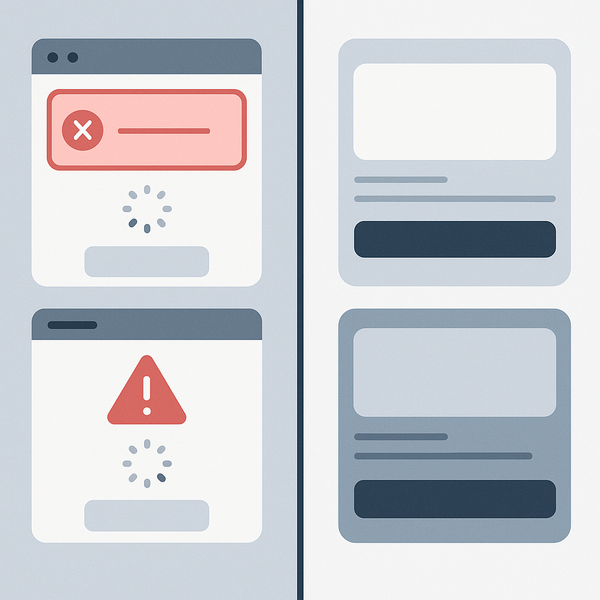
Common technical limitations users encounter. If you’re working on What are the limitations of the ChatGPT website?, make sure this step is covered before moving on.
Usage Restrictions and Access Limitations
Beyond technical constraints, ChatGPT imposes various usage restrictions that affect how users can access and utilize the service. These limitations create different tiers of user experience and can significantly impact productivity depending on your subscription status and location.
Free vs. Paid Account Limitations
The distinction between free and paid ChatGPT accounts represents one of the most significant limitation categories. Free users face numerous restrictions that paid subscribers can bypass, creating a tiered system that encourages upgrades while maintaining basic accessibility. Free accounts typically experience limited access during peak hours, when server resources prioritize paying customers.
Message frequency restrictions particularly affect free users, who may encounter limits on the number of messages they can send within specific timeframes. These limits reset periodically but can interrupt workflows and force users to pause their activities. Additionally, free users often cannot access newer model versions or advanced features immediately upon release.
Feature availability differs substantially between account types. Paid subscribers enjoy access to plugins, advanced data analysis tools, image generation capabilities, and priority access to new features. Free users must work within a more constrained feature set, limiting their ability to leverage ChatGPT’s full potential for complex tasks.
Geographic Restrictions
Geographic limitations create an uneven playing field for ChatGPT users worldwide. Certain countries face complete restrictions due to regulatory concerns, political considerations, or technical infrastructure limitations. Users in these regions cannot access ChatGPT directly through the official website, forcing them to seek alternative solutions or forego the service entirely.
Even in supported regions, the quality of service can vary significantly. Countries with robust internet infrastructure and proximity to ChatGPT servers enjoy faster, more reliable access. Meanwhile, users in regions with limited connectivity or distant server locations may experience frequent interruptions, slower response times, and reduced functionality.
Payment method restrictions compound geographic limitations. Some regions lack access to payment methods accepted by OpenAI, preventing users from upgrading to paid accounts even when willing to pay. This creates a frustrating situation where users can access the free tier but cannot unlock additional features through subscription.
Daily Usage Caps
Daily usage caps represent another critical limitation affecting both free and paid users, though to different degrees. These caps limit the total number of interactions, tokens processed, or compute resources consumed within a 24-hour period. Once users reach these limits, they must wait for the cap to reset before continuing their work.
For free users, daily caps can be particularly restrictive, sometimes limiting usage to just a handful of substantial conversations. This forces users to carefully prioritize their queries and avoid wasteful interactions. The unpredictability of when caps might be reached adds another layer of frustration to the user experience.
Paid users enjoy higher caps but still face limits designed to prevent system abuse and ensure resource availability. Heavy users conducting research, content creation, or development work may still encounter these boundaries during intensive sessions. Understanding and planning around these caps becomes essential for maintaining productivity. A practical rule of thumb for What are the limitations of the ChatGPT website?: verify the basics first, then tighten the details.
Content Generation Limitations
Content generation represents the core functionality of ChatGPT, yet several limitations constrain what the system can produce. These restrictions affect response length, information accuracy, and the types of content the system will generate, directly impacting user expectations and outcomes.
Token Limits and Message Length
Token limits constitute one of the most fundamental constraints in ChatGPT’s content generation capabilities. Each interaction consumes tokens from both the input prompt and the generated response, with strict limits on the total tokens per conversation. This limitation forces users to carefully manage conversation length and may require starting new chats for extended discussions.
Message length restrictions can be particularly frustrating when working on long-form content or complex analyses. ChatGPT may truncate responses mid-sentence when reaching token limits, requiring users to prompt for continuation. This interruption disrupts the flow of information and can lead to inconsistencies in extended responses.
The token economy also affects prompt engineering strategies. Users must balance prompt detail with available response space, often requiring iterative refinement to achieve desired outputs within token constraints. This limitation particularly impacts users attempting to generate comprehensive documents, detailed analyses, or extensive creative content.
Knowledge Cutoff Dates
ChatGPT’s knowledge cutoff represents a significant limitation for users seeking current information. The model’s training data has a specific cutoff date, beyond which it lacks awareness of events, developments, or changes. This limitation becomes increasingly problematic as time passes from the training date, creating an ever-widening gap in current knowledge.
The knowledge cutoff affects various use cases differently. Historical queries and established facts remain reliable, but questions about recent events, current trends, or evolving situations may receive outdated or incorrect responses. Users must independently verify time-sensitive information and cannot rely on ChatGPT for real-time updates or breaking news.
This limitation also impacts professional use cases where current information is crucial. Legal professionals, financial analysts, journalists, and researchers must supplement ChatGPT’s responses with up-to-date sources. The system’s inability to access current information limits its utility for time-sensitive decision-making or analysis of contemporary events.
Prohibited Content Types
ChatGPT implements strict content policies that prohibit generation of certain types of material. These restrictions aim to prevent harmful uses but can sometimes interfere with legitimate applications. The system refuses to generate content it deems potentially harmful, illegal, unethical, or inappropriate, even when such content might serve educational or creative purposes.
Content restrictions extend beyond obvious categories like violence or illegal activities. The system may refuse to engage with certain political topics, provide specific technical information it considers potentially dangerous, or generate content that could be construed as professional advice in fields like medicine or law. These boundaries can frustrate users working on legitimate projects that touch on sensitive topics. For What are the limitations of the ChatGPT website?, small adjustments like this often make the biggest difference.
The interpretation of content policies can sometimes seem inconsistent or overly cautious. ChatGPT may refuse seemingly innocent requests due to potential misuse concerns, requiring users to rephrase or approach topics from different angles. This cautious approach, while understandable from a safety perspective, can limit creative freedom and academic inquiry.
What are the limitations of the ChatGPT website? Functionality Gaps
Functionality gaps represent missing features or capabilities that users might expect from a comprehensive AI platform. These limitations become apparent when comparing the web interface to the API or when attempting tasks that require capabilities beyond text generation.
Missing Features Compared to API
The ChatGPT website interface lacks several features available through the API, creating a functionality gap for users who cannot or choose not to use programmatic access. API users can fine-tune parameters like temperature, top-p sampling, and frequency penalties to control output characteristics, while website users work with preset configurations.
Batch processing capabilities available through the API remain absent from the web interface. Users cannot queue multiple requests, process datasets systematically, or automate repetitive tasks without API access. This limitation significantly impacts researchers, content creators, and professionals who need to process large volumes of queries efficiently.
Advanced integration options available to API users remain inaccessible through the website. Web users cannot easily incorporate ChatGPT into existing workflows, connect with other tools, or build custom applications. This functionality gap forces power users to choose between the convenience of the web interface and the flexibility of API access.
Plugin and Integration Restrictions
While ChatGPT has introduced plugin capabilities, significant restrictions limit their utility. Plugin availability varies by subscription tier, with free users typically excluded from plugin access entirely. Even paid users face limitations on the number of active plugins and may experience compatibility issues between different plugins.
Integration with external services remains limited compared to user expectations. While plugins can extend ChatGPT’s capabilities, they cannot fully bridge the gap to comprehensive workflow integration. Users cannot seamlessly connect ChatGPT with their existing productivity tools, databases, or specialized software without significant workarounds.
The plugin ecosystem itself faces limitations in scope and reliability. Available plugins may not cover all desired use cases, and third-party plugin quality varies significantly. Users often find that plugins promise more than they deliver, with functionality constraints, reliability issues, or unexpected limitations emerging during use.
Real-time Data Access
ChatGPT’s inability to access real-time information represents a fundamental limitation that affects numerous use cases. The system cannot browse the internet, check current prices, verify contemporary facts, or access live data feeds. This restriction forces users to manually provide current information or seek alternative tools for time-sensitive queries. In most cases, What are the limitations of the ChatGPT website? is solved by following a clear, repeatable checklist.
The absence of real-time data access particularly impacts professional applications. Financial analysts cannot get current market data, journalists cannot verify recent events, and researchers cannot access the latest publications or data releases. This limitation transforms ChatGPT from a comprehensive assistant into a tool requiring constant human supplementation for current information.
Workarounds for real-time data limitations often prove cumbersome and time-consuming. Users must manually copy and paste current information into prompts, breaking the conversational flow and increasing the risk of errors. The inability to verify or update information in real-time also raises concerns about the reliability of responses for time-sensitive applications.
Comparison with Alternative AI Platforms

Understanding what are the limitations of the ChatGPT website? becomes clearer when comparing it with alternative AI platforms. Each platform has its unique constraints and advantages, helping users make informed decisions about which tool best suits their needs. For those exploring alternatives, you might wonder Is there a free AI that creates a website? to understand the broader landscape of AI tools.
Claude vs. ChatGPT Limitations
Claude, developed by Anthropic, presents both advantages and limitations compared to ChatGPT. While Claude often demonstrates superior performance in maintaining context over long conversations, it faces its own set of restrictions. Claude’s knowledge cutoff, similar to ChatGPT’s, limits its awareness of recent events, though the specific dates may differ between platforms.
Context window differences between Claude and ChatGPT significantly impact user experience. Claude typically offers a larger context window, allowing for longer conversations without losing track of earlier exchanges. However, ChatGPT’s plugin ecosystem and integration options surpass Claude’s current offerings, creating a trade-off between conversation depth and feature breadth.
Availability and access restrictions differ notably between the platforms. While ChatGPT maintains broader global availability, Claude faces more geographic restrictions and limited access options. Claude’s more conservative approach to content generation can be both an advantage for safety-conscious users and a limitation for those requiring more flexible content policies.
Gemini vs. ChatGPT Restrictions
Google’s Gemini platform introduces different limitations and capabilities compared to ChatGPT. Gemini’s integration with Google’s ecosystem provides advantages in accessing certain types of information and services, but it also inherits Google’s content policies and restrictions. The platform’s approach to user privacy and data handling differs from ChatGPT’s, affecting user trust and adoption.
Multimodal capabilities vary between the platforms, with each showing strengths in different areas. While ChatGPT has expanded its image generation and analysis features, Gemini leverages Google’s extensive image processing capabilities. However, both platforms face limitations in handling complex multimodal tasks that require seamless integration of text, image, and other data types.
Performance consistency and reliability show notable differences. Gemini benefits from Google’s robust infrastructure but may face different scaling challenges than ChatGPT. Response quality, speed, and availability patterns differ between the platforms, with each showing advantages in specific use cases or geographic regions.
Open-Source Alternatives
Open-source AI models offer freedom from many commercial platform limitations but introduce their own challenges. Models like LLaMA, Mistral, and others can be run locally, eliminating usage caps, geographic restrictions, and content policies. However, they require significant technical expertise, computational resources, and ongoing maintenance that may exceed many users’ capabilities. When it comes to What are the limitations of the ChatGPT website?, this is one of the fastest checks to run.
Resource requirements for open-source alternatives often prove prohibitive for individual users. Running large language models locally demands expensive hardware, particularly high-end GPUs with substantial memory. Cloud-based deployment adds complexity and potentially significant costs, negating some advantages of avoiding commercial platform fees.
Performance and capability gaps between open-source models and commercial platforms like ChatGPT remain significant. While open-source models continue to improve, they typically lag behind commercial offerings in response quality, feature completeness, and ease of use. Users must weigh the freedom of open-source against the convenience and capabilities of commercial platforms.
Practical Workarounds and Solutions
Despite the various limitations of ChatGPT, creative users have developed numerous workarounds and strategies to maximize the platform’s utility. These solutions range from simple prompt engineering techniques to more complex integration strategies that bypass common restrictions.
Overcoming Token Limits
Managing token limits effectively requires strategic conversation planning and prompt optimization. Users can extend effective conversation length by summarizing previous exchanges and incorporating only essential context in new prompts. This approach maintains continuity while conserving tokens for new responses.
Chunking strategies help manage long-form content generation within token constraints. By breaking large projects into smaller, manageable segments, users can generate extensive content across multiple conversations. Maintaining consistency requires careful planning and potentially creating templates or outlines that guide each segment’s development.
Prompt compression techniques can significantly extend the effective use of available tokens. Users can develop abbreviated notation systems, use concise language, and eliminate redundant information from prompts. While this requires initial investment in developing efficient communication patterns, it pays dividends in extended conversation capacity.
External memory solutions provide another approach to token limit management. Users can maintain conversation logs, summaries, and key information outside ChatGPT, referencing this external memory as needed. This approach effectively extends ChatGPT’s memory beyond built-in limitations, though it requires manual management and organization.
Bypassing Usage Restrictions
Working around usage restrictions requires understanding system patterns and developing adaptive strategies. Users can optimize their interaction timing to avoid peak usage periods when restrictions are most severe. Early morning or late evening sessions often provide better access and fewer interruptions for free-tier users. If you’re working on What are the limitations of the ChatGPT website?, make sure this step is covered before moving on.
Account management strategies can help maximize available resources. Some users maintain multiple accounts to extend daily limits, though this approach requires careful management to avoid violating terms of service. Alternating between accounts for different project phases can provide continuous access during intensive work periods.
Hybrid workflow approaches combine ChatGPT with other tools to bypass specific limitations. When ChatGPT reaches usage limits or cannot perform certain tasks, users can switch to alternative platforms or tools temporarily. This approach requires familiarity with multiple platforms but provides resilience against any single platform’s limitations.
Batch processing strategies help maximize productivity within usage constraints. By preparing multiple queries in advance and processing them efficiently during available access windows, users can accomplish more within limited interaction opportunities. This approach requires planning but can significantly improve productivity for users facing strict usage caps.
Alternative Access Methods
API access provides an alternative to website limitations for technically capable users. While requiring programming knowledge and potentially additional costs, API access offers greater control, higher limits, and additional features. Users can create custom interfaces tailored to their specific needs, bypassing many website-specific restrictions.
Third-party interfaces and applications built on ChatGPT’s API offer middle-ground solutions. These tools provide enhanced functionality while maintaining user-friendly interfaces. However, users must carefully evaluate third-party tools for security, privacy, and reliability before entrusting them with sensitive information.
Browser extensions and user scripts can enhance the ChatGPT website experience, adding features or working around interface limitations. These tools might provide better conversation management, automatic backup of conversations, or enhanced formatting options. Users should verify extension safety and be aware that OpenAI may not support or endorse such modifications.
Understanding what are the limitations of the ChatGPT website? ultimately empowers users to make informed decisions and develop effective strategies. Alternative platforms continue to emerge, offering different approaches to AI assistance. By recognizing both limitations and workarounds, users can maximize their productivity while working within existing constraints.
The landscape of AI platforms continues to evolve rapidly, with limitations shifting as technology advances and platforms mature. Staying informed about these changes helps users adapt their strategies and maintain productivity. Whether through creative workarounds, alternative platforms, or patient acceptance of current limitations, users can still derive substantial value from ChatGPT despite its constraints.
As we progress through 2026 and beyond, many current limitations may be addressed through technological advancement, infrastructure improvements, and feature development. However, new limitations may emerge as AI capabilities expand into previously unexplored territories. The key to success lies in maintaining flexibility, staying informed about platform capabilities, and developing adaptive strategies that work within whatever constraints exist at any given time.

Juan is a Digital Advertising / SEM Specialist with over 10 years of experience with Google AdWords, Bing Ad Center, Facebook, LinkedIn, Google Analytics, HTML, and WordPress. He is a co-founder of Sheaf Media Group and has work in several online advertising projects for retail, automotive, and service industries. Additionally, Juan holds a bachelor’s degree in Psychology and has a deep interest in the science of human behavior which he attributes as the key factor for his success in the advertising world.