



What Is A Good SEO Score? – Understanding what constitutes a “good” SEO score can feel like chasing a moving target. You’re likely here because you’ve encountered this concept, perhaps in an SEO audit report, a tool’s dashboard, or even a casual conversation about website performance. The immediate question becomes: what number should you aim for? This article aims to demystify what a good SEO score actually represents, moving beyond simplistic numerical targets to a more holistic understanding of its implications for your website.
The first crucial point to grasp is that there isn’t a single, universal, legally binding “SEO score” that dictates your fate on search engine results pages (SERPs). Search engines like Google don’t publish a specific, all-encompassing score for websites that they then use to rank them. Instead, they employ a complex algorithm that considers hundreds, if not thousands, of ranking factors.
Why a Single Score is a Misconception
- Proprietary Algorithms: Google’s algorithm is a closely guarded secret. Its exact workings, weighting of factors, and real-time adjustments are not shared. This means any score you see from a third-party tool is an interpretation, an estimation, or a calculation based on a subset of known factors.
- Context Matters: What might be considered a “good” score in one industry or for one website might be entirely different for another. Factors like competition, search volume, target audience, and the inherent complexity of the niche all influence what’s achievable and what’s effective.
- Dynamic Nature of SEO: The landscape of SEO is constantly evolving. Search engine algorithms are updated regularly, and user behavior shifts, meaning what worked yesterday might not work today, and what’s deemed important now might be less so in the future. A static score fails to capture this dynamism.
The Role of Third-Party Tools
You will inevitably encounter tools that provide SEO scores – platforms like Semrush, Ahrefs, Moz, and various website audit tools. These scores are not the definitive judgment of search engines but rather analytical insights derived from their understanding of SEO best practices.
Understanding Tool-Specific Scores
- Metrics Measured: Each tool prioritizes and measures different aspects of SEO. Some might focus heavily on on-page factors like keyword density and meta descriptions, while others might emphasize off-page signals like backlinks and domain authority.
- Calculation Methodologies: The way these tools calculate their scores varies significantly. They may use weighted averages of various metrics, proprietary algorithms, or comparisons against industry benchmarks.
- Actionable Insights, Not Absolute Truth: Treat these scores as guides. They are invaluable for identifying areas where your website might be underperforming according to current best practices. They should prompt investigation and action, not serve as an endpoint for your efforts.
Deconstructing Common “SEO Score” Metrics
While a singular, definitive SEO score is a myth, the metrics that contribute to a website’s perceived SEO health are very real and measurable. When you see an “SEO score,” it’s typically a summation of performance across these key areas.
On-Page Optimization
This refers to the optimization of individual web pages to rank higher and earn more relevant traffic from search engines. It involves both the content and HTML source code of a page.
Content Quality and Relevance
- Keyword Integration: The strategic placement and natural use of relevant keywords throughout your content. This isn’t about stuffing keywords, but about ensuring your content directly addresses what users are searching for.
- Content Depth and Comprehensiveness: Does your content provide thorough answers to user queries? Are you covering the topic in sufficient detail to satisfy user intent?
- Readability and User Experience: Is your content easy to read and understand? Are you using headings, subheadings, bullet points, and short paragraphs to break up text?
Technical On-Page Elements
- Title Tags and Meta Descriptions: These are your first impression in the SERPs. Are they compelling, keyword-rich, and accurately descriptive of the page’s content?
- Header Tags (H1, H2, H3, etc.): Properly structuring your content with header tags helps search engines understand the hierarchy and important topics on your page.
- Image Optimization: Using descriptive alt text for images helps search engines understand their content and improves accessibility. File sizes should also be optimized for faster loading.
- URL Structure: Clean, logical, and keyword-relevant URLs are easier for both users and search engines to understand.
Off-Page Factors
These are actions taken outside of your website to impact your rankings within search engine results pages. The most prominent off-page factor is backlinks.
Backlink Profile Quality
- Quantity of Backlinks: While not the only factor, having a significant number of links from other websites can signal authority.
- Quality of Referring Domains: Links from authoritative, relevant websites carry much more weight than links from spammy or irrelevant sites.
- Anchor Text Diversity: The text used for a hyperlink. A natural backlink profile has a variety of anchor texts, not just exact match keywords, which can look manipulative.
- Link Relevance: Links from websites that are thematically related to yours are generally more valuable.
Brand Mentions and Social Signals
- Unlinked Brand Mentions: When your brand is mentioned online without a direct link, it can still contribute to your perceived authority and recognition.
- Social Media Engagement: While direct social shares might not be a direct ranking factor, strong social engagement can lead to increased visibility, traffic, and potentially more backlinks.
User Experience (UX) and Technical SEO
This encompasses the technical performance of your website and how users interact with it. Search engines are increasingly prioritizing websites that offer a positive user experience.
Website Speed and Performance
- Page Load Times: Slow-loading pages frustrate users and lead to higher bounce rates. This is a critical ranking factor.
- Mobile-Friendliness: With the vast majority of searches happening on mobile devices, a responsive and mobile-optimized website is non-negotiable.
- Core Web Vitals: Google’s specific metrics for measuring user experience concerning loading, interactivity, and visual stability.
Website Structure and Navigation
- Site Architecture: A logical and intuitive site structure makes it easy for users to find what they need and for search engine crawlers to index your content.
- Internal Linking: Strategically linking between pages on your own website helps distribute “link equity” and guides users and crawlers through your site.
- Crawlability and Indexability: Ensuring search engines can easily access and understand all the important pages on your website.
What Constitutes a “Good Score” in Practice?
Given the complexity, how do you interpret what a “good” SEO performance looks like from these various metrics and tool-generated scores? It’s less about hitting a specific percentage and more about achieving a state of continuous improvement and alignment with user intent and search engine best practices.
Benchmarking Your Performance
Instead of aiming for an arbitrary number, focus on how your website performs relative to others.
Competitor Analysis
- Understanding the Landscape: Analyze the SEO performance of your direct competitors. What are their estimated traffic levels? What kind of backlink profiles do they have?
- Setting Realistic Goals: If your competitors are achieving significant organic traffic, it indicates that it’s possible within your niche. You can then set goals to match or surpass their performance.
- Identifying Opportunities: Competitor analysis can reveal areas where they are weak, providing you with opportunities to capitalize on.
Industry Averages
- Contextualizing Your Metrics: Research industry benchmarks for metrics like page speed, bounce rate, conversion rates, and backlink profiles.
- Identifying Gaps: Understanding where you stand compared to averages can highlight areas that require the most attention.
Focusing on Trends and Improvement
A single snapshot in time is less important than the direction your SEO efforts are taking.
Progress Over Perfection
- Consistent Growth: A “good” SEO score is one that shows a consistent upward trend in key metrics over time, such as organic traffic, keyword rankings, and backlink acquisition.
- Iterative Optimization: SEO is not a one-time fix. It’s an ongoing process of monitoring, analyzing, and refining your strategy.
Actionable Insights
- Tool Scores as Catalysts: Use the scores provided by SEO tools to identify specific areas for improvement. A low score in “mobile usability” should prompt an investigation into your mobile design and functionality.
- Prioritizing Efforts: Not all SEO issues are equal. Focus on addressing the factors that will have the most significant impact on your overall performance.
Moving Beyond Scores to Strategic SEO
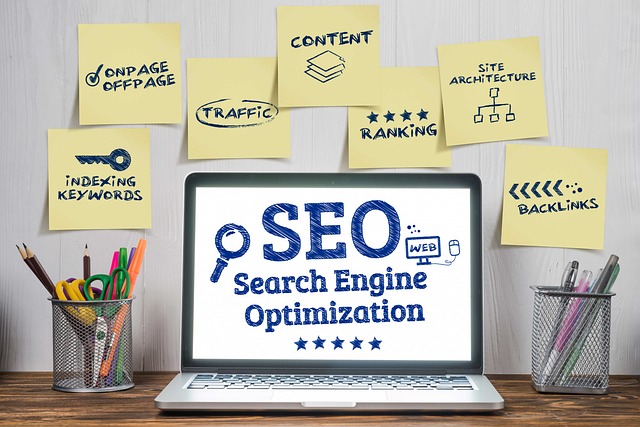
Ultimately, a high “SEO score” is a byproduct of effective SEO strategy, not the strategy itself. Your focus should be on creating value for your users and making your website easily discoverable by search engines.
Prioritizing User Intent
The core of modern SEO is understanding what users are looking for when they type a query into a search engine.
Content That Answers Questions
- E-E-A-T (Experience, Expertise, Authoritativeness, Trustworthiness): Google increasingly emphasizes these qualities. Your content needs to demonstrate genuine experience and expertise on the topic.
- Addressing User Needs: Does your content directly solve user problems, answer their questions, or fulfill their information needs?
- Engagement Metrics: While not direct ranking factors, metrics like time on page and bounce rate can indirectly indicate how well your content is meeting user needs.
Seamless User Journey
- Intuitive Navigation: Can users easily find their way around your website?
- Clear Calls to Action: If your goal is conversions, are your calls to action clear and compelling?
- Accessibility: Ensuring your website is usable for people with disabilities not only broadens your audience but also aligns with search engine best practices.
Building Authority and Trust
Search engines want to direct users to reliable and authoritative sources.
High-Quality Backlinks
- Natural Link Acquisition: Focus on creating content that other reputable websites will naturally want to link to.
- Guest Blogging and Outreach: Strategic outreach to relevant publications can help you earn authoritative backlinks.
- Avoiding Spammy Tactics: Steer clear of link farms, PBNs (Private Blog Networks), and other black-hat techniques that can lead to penalties.
Positive Brand Reputation
- Reviews and Testimonials: Genuine positive feedback from customers builds trust.
- Consistent Branding: Maintaining consistent branding across all online platforms helps users recognize and trust your brand.
What’s Next? The Continuous SEO Journey
You shouldn’t fixate on a particular SEO score. Instead, consider it a diagnostic tool that helps you understand how well your website is performing against established best practices and your competitors.
The Ongoing Process of Optimization
- Regular Audits: Conduct regular SEO audits to identify new issues or areas that need attention.
- Monitoring Key Performance Indicators (KPIs): Track metrics beyond just the “score.” Focus on organic traffic, keyword rankings for target terms, conversion rates, and user engagement.
- Staying Informed: Keep up-to-date with the latest SEO trends and algorithm changes. The digital landscape is constantly shifting.
What a “Good SEO Score” Ultimately Means
A genuinely “good SEO score” is not a number; it’s a reflection of a healthy, user-focused, and technically sound website that is effectively serving its audience and achieving its business objectives. It signifies that you are:
- Discoverable: Easily found by users searching for what you offer.
- Relevant: Providing the information or solutions users are seeking.
- Engaging: Offering a positive and valuable user experience.
- Authoritative: Perceived as a trustworthy and knowledgeable source.
By shifting your focus from chasing a number to implementing a comprehensive, user-centric SEO strategy, you will naturally improve your website’s performance, leading to sustainable organic growth and ultimately, a better return on your digital efforts.

Juan is a Digital Advertising / SEM Specialist with over 10 years of experience with Google AdWords, Bing Ad Center, Facebook, LinkedIn, Google Analytics, HTML, and WordPress. He is a co-founder of Sheaf Media Group and has work in several online advertising projects for retail, automotive, and service industries. Additionally, Juan holds a bachelor’s degree in Psychology and has a deep interest in the science of human behavior which he attributes as the key factor for his success in the advertising world.