



The question “where can i make my own website for free” has become increasingly relevant as more individuals and small businesses seek to establish their online presence without breaking the bank. In today’s digital landscape, having a website is no longer a luxury—it’s a necessity. Fortunately, numerous platforms now offer robust free website building solutions that can help you create professional-looking sites without any upfront costs.
Whether you’re a student creating a portfolio, an entrepreneur testing a business idea, or someone who simply wants to share their passion with the world, free website builders provide accessible entry points into the online world. These platforms have evolved significantly over the years, offering intuitive drag-and-drop interfaces, mobile-responsive designs, and even basic e-commerce capabilities—all without requiring any coding knowledge.
Why Choose Free Website Builders
Free website builders have democratized web design, making it possible for anyone to create and publish content online. These platforms eliminate the traditional barriers to entry, such as expensive web developers, hosting fees, and technical expertise. Instead, they provide user-friendly tools that guide you through the entire process, from selecting a template to publishing your finished site.
The appeal extends beyond just cost savings. Free website builders offer immediate gratification—you can have a basic website up and running in minutes rather than weeks. They also provide a risk-free environment to experiment with different designs, layouts, and content strategies. This flexibility is particularly valuable for beginners who are still discovering their online voice and aesthetic preferences.
Additionally, most free website builders include essential features like SSL certificates, basic SEO tools, and mobile optimization as standard offerings. These elements, which would typically cost extra through traditional web hosting services, ensure your free website meets modern web standards and provides a good user experience across all devices.
What to Expect from Free Plans
While free website builders offer impressive functionality, it’s important to set realistic expectations about what these plans include. Most free tiers come with certain limitations designed to encourage eventual upgrades to paid plans. Understanding these constraints upfront will help you make an informed decision about which platform best suits your needs.
Common features included in free plans typically encompass basic website building tools, a selection of templates, limited storage space (usually between 500MB to 3GB), and subdomain hosting. You’ll also get access to the platform’s content management system, allowing you to update your site whenever needed. Many platforms also include basic analytics to track visitor behavior and site performance.
However, free plans often come with trade-offs. These may include displaying the platform’s branding on your site, limited bandwidth, restricted access to premium features, and the inability to use a custom domain name. Some platforms may also place advertisements on your free website, though this practice has become less common among reputable builders. Understanding these limitations helps you determine whether a free plan meets your immediate needs or if you should plan for an eventual upgrade.
Top 7 Platforms Where Can I Make My Own Website for Free
When exploring where can i make my own website for free, you’ll find numerous options available, each with unique strengths and limitations. The following seven platforms represent the best free website builders currently available, offering varying combinations of features, ease of use, and customization options to suit different needs and skill levels.
Wix Free Plan Overview
Wix stands out as one of the most popular choices for those wondering where can i make my own website for free. The platform offers an extensive collection of over 900 designer-made templates covering virtually every industry and purpose imaginable. Is Wix actually free? Yes, but with some considerations to keep in mind.
The Wix free plan includes 500MB of storage, 500MB of bandwidth, and access to most of the platform’s core features. You can use the intuitive drag-and-drop editor to customize your site’s appearance, add various content elements like text, images, and videos, and even integrate basic interactive features. The platform also provides mobile optimization, ensuring your site looks good on smartphones and tablets.
One of Wix’s strongest advantages is its App Market, which offers hundreds of add-ons to extend your website’s functionality. While many apps require paid subscriptions, several free options can enhance your site with features like contact forms, social media feeds, and basic analytics. The platform also includes Wix ADI (Artificial Design Intelligence), which can create a customized website for you based on answers to a few simple questions.
WordPress.com Free Features
WordPress.com offers a compelling free tier that leverages the power of the world’s most popular content management system. When considering where can i make my own website for free, WordPress.com provides a solid foundation with 3GB of storage space and access to dozens of professionally designed themes. The platform excels particularly for bloggers and content creators who prioritize writing and publishing.
The free plan includes essential blogging features such as categories, tags, and commenting systems. You’ll also get basic social sharing tools and the ability to create static pages alongside your blog posts. WordPress.com’s editor has evolved significantly, now featuring the block-based Gutenberg editor that makes creating rich, multimedia content more intuitive than ever before.
WordPress.com also provides built-in SEO features, basic site statistics, and automatic security updates. The platform’s strength lies in its scalability—you can start with the free plan and gradually add premium features as your needs grow. The free tier also includes access to the WordPress.com community forums, where you can get help and connect with other website owners.
Weebly Free Option
Weebly, now part of the Square ecosystem, remains a strong contender for those researching where can i make my own website for free. The platform offers a generous free plan that includes up to 500MB of storage and access to all of Weebly’s core website building features. What sets Weebly apart is its particularly user-friendly interface that makes website creation accessible even to complete beginners.
The free plan provides access to Weebly’s drag-and-drop builder, a selection of responsive themes, and basic SEO tools. Unlike some competitors, Weebly’s free tier also includes limited e-commerce functionality, allowing you to list up to 10 products if you’re interested in testing online selling. This makes it an excellent choice for small businesses or entrepreneurs who want to experiment with online sales without financial commitment.
Weebly also offers robust blogging capabilities, contact forms, and image galleries in its free plan. The platform provides SSL security for all free websites and includes basic analytics to track visitor behavior. The integration with Square’s payment processing system means that if you decide to upgrade for full e-commerce features, the transition is seamless.
Google Sites: Simple and Integrated
Google Sites represents one of the most straightforward answers to where can i make my own website for free. As part of Google’s suite of productivity tools, Sites offers unlimited storage and bandwidth with no ads or branding requirements. This makes it particularly attractive for educational projects, internal company sites, or personal portfolios where simplicity is valued over advanced features.
The platform integrates seamlessly with other Google services, allowing you to embed Google Docs, Sheets, Slides, Forms, and YouTube videos directly into your pages. This integration makes Google Sites ideal for collaborative projects or situations where you need to share and update information regularly. The interface follows Google’s Material Design principles, resulting in clean, modern-looking websites.
While Google Sites may lack the extensive template library and advanced customization options of other builders, its strength lies in its simplicity and reliability. The platform automatically saves your work, provides version history, and allows real-time collaboration with team members. For users already invested in the Google ecosystem, Sites offers a frictionless way to create and maintain a basic website.
Webnode: Multilingual Capabilities
Webnode distinguishes itself in the landscape of where can i make my own website for free by offering exceptional multilingual support. The platform allows you to create websites in multiple languages even on the free plan, making it ideal for international projects or businesses serving diverse communities. With 100MB of storage and 1GB of bandwidth, Webnode provides enough resources for basic websites.
The platform offers a selection of modern, responsive templates that work well across different devices. Webnode’s editor strikes a balance between simplicity and flexibility, allowing you to customize layouts, colors, and fonts without overwhelming beginners. The free plan includes basic SEO settings, contact forms, and the ability to create photo galleries.
One of Webnode’s unique advantages is its built-in email form functionality, which works without requiring any coding or third-party services. This makes it easy for visitors to contact you directly through your website. The platform also provides basic statistics and supports HTTPS encryption for all free websites, ensuring a secure browsing experience for your visitors.
Jimdo: AI-Powered Website Creation
Jimdo offers an innovative approach for those wondering where can i make my own website for free, featuring an AI-powered website builder called Dolphin. This intelligent system creates a customized website based on your answers to a few simple questions and information pulled from your social media profiles. The free plan includes 500MB of storage and 2GB of bandwidth, sufficient for most personal websites.
The platform provides two building options: Jimdo Dolphin for automated creation and Jimdo Creator for more hands-on customization. Both options are available on the free plan, giving users flexibility in how they approach website design. Jimdo’s templates are modern and mobile-responsive, with industries ranging from restaurants to portfolios to online stores.
Jimdo’s free tier includes basic SEO features, SSL encryption, and the ability to add a blog to your website. The platform also offers a mobile app that allows you to update your website on the go, making it convenient for users who need to make frequent updates or manage their site while traveling.
Strikingly: One-Page Website Specialist
Strikingly has carved out a niche for those seeking where can i make my own website for free by specializing in one-page websites. The free plan allows you to create unlimited one-page sites with 500MB of bandwidth per month and basic features. This focused approach makes Strikingly ideal for portfolios, event pages, or simple business presentations that don’t require multiple pages.
The platform’s strength lies in its simplicity and the quality of its single-page templates. Each template is designed to tell a complete story on one scrolling page, with sections for different types of content. Strikingly includes features like parallax scrolling, video backgrounds, and animation effects even on the free plan, helping create engaging, modern-looking websites.
Despite its focus on single-page sites, Strikingly’s free plan is quite generous, including HTTPS, basic analytics, and 24/7 customer support. The platform also allows you to create a simple online store with up to one product on the free plan, making it possible to test e-commerce functionality before committing to a paid subscription.
Step-by-Step Guide to Building Your Free Website
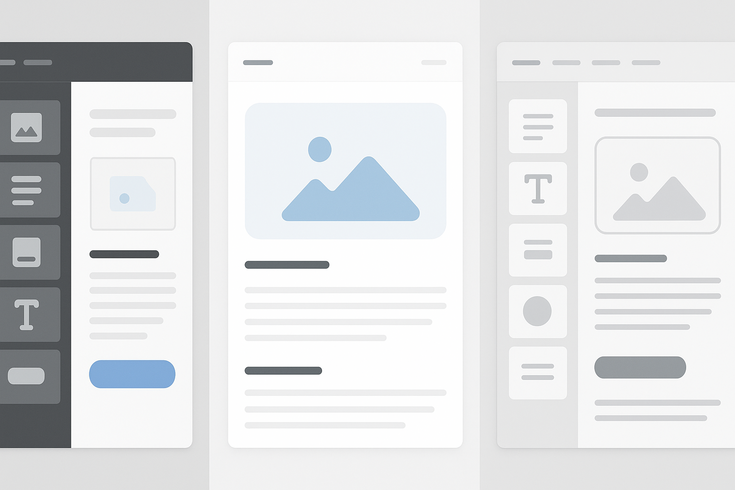
Now that you understand where can i make my own website for free, let’s walk through the practical steps of actually creating your site. This comprehensive guide will help you navigate the process from initial platform selection to publishing your finished website. By following these steps, you’ll be able to create a professional-looking website regardless of your technical experience level.
Choosing the Right Platform
Selecting the appropriate platform is crucial when determining where can i make my own website for free. Start by clearly defining your website’s primary purpose. Are you creating a personal blog, a portfolio to showcase your work, a simple business website, or perhaps an online resume? Different platforms excel at different types of websites, so matching your needs with platform strengths will lead to better results.
Consider your technical comfort level and the amount of time you’re willing to invest in learning the platform. Some builders like Google Sites prioritize simplicity, while others like WordPress.com offer more advanced features that may require a steeper learning curve. Think about your future needs as well—will you eventually want to add e-commerce functionality, multiple contributors, or advanced customization options?
Evaluate the specific limitations of each platform’s free plan against your requirements. If you need substantial storage for high-resolution images, platforms offering more generous storage allocations would be preferable. Similarly, if you anticipate significant traffic, consider bandwidth limitations. Remember that while you can usually migrate between platforms later, it’s easier to start with one that can grow with your needs.
Setting Up Your Account
Once you’ve decided where can i make my own website for free, the account creation process is typically straightforward. Most platforms require only basic information: your name, email address, and a password. Some may ask about your website’s purpose to provide personalized recommendations or templates. Take time to choose a strong password and consider enabling two-factor authentication if available.
During signup, you’ll usually need to choose your website’s address. On free plans, this will typically be a subdomain of the platform (like yoursite.wixsite.com or yoursite.wordpress.com). Select this carefully, as changing it later may not be possible or could affect your site’s search engine rankings. Choose something professional and easy to remember, avoiding numbers or hyphens if possible.
After creating your account, spend time exploring the platform’s dashboard and familiarizing yourself with the interface. Most builders offer guided tours or tutorials for new users—take advantage of these resources. Set up your profile completely, including a profile photo and bio if applicable, as these elements may appear on your website or in community forums where you might seek help.
Designing Your First Page
With your account established, it’s time to start building. Most platforms where can i make my own website for free will prompt you to choose a template or theme as your starting point. Don’t rush this decision—browse through the available options and preview how they look on both desktop and mobile devices. Consider templates that align with your content type and aesthetic preferences, but remember that most elements can be customized later.
Start with your homepage, as this typically sets the tone for your entire website. Begin by replacing placeholder content with your own text and images. Focus on creating a clear value proposition or introduction that immediately tells visitors what your website is about. Keep your initial content concise and engaging—you can always expand later as you become more comfortable with the platform.
Pay attention to the visual hierarchy of your page. Important information should be prominently displayed, typically above the fold (the area visible without scrolling). Use headings to break up content and make it scannable. Add high-quality images that support your message, but be mindful of file sizes to ensure fast loading times. Most free website builders provide basic image editing tools to help you crop and optimize your visuals.
Comparison of Free Website Builder Features
Understanding the specific features and limitations of each platform is essential when deciding where can i make my own website for free. This detailed comparison examines the key aspects that differentiate free website builders, helping you make an informed choice based on your specific requirements and priorities.
Storage and Bandwidth Limits
Storage and bandwidth restrictions represent some of the most significant differences between free website building platforms. Storage determines how much content—images, videos, documents—you can upload to your website, while bandwidth limits how much data can be transferred when visitors access your site. Understanding these limitations is crucial for planning your website’s content strategy.
Most free plans offer between 500MB and 3GB of storage, which might seem limited but is actually sufficient for many basic websites. A typical web page with optimized images might use 1-3MB, meaning 500MB could accommodate 150-500 pages, depending on content density. However, if you plan to host high-resolution image galleries or video content, you’ll need to be more strategic about storage usage or consider platforms with more generous allocations.
Bandwidth limitations vary even more dramatically between platforms. Some offer as little as 500MB per month, while others provide 10GB or even unlimited bandwidth. To put this in perspective, if your average page size is 2MB and you have 500MB of monthly bandwidth, your site could handle approximately 250 page views. For personal websites or small projects, this is often adequate, but growing sites may quickly outgrow these limits.
Design Templates Available
The quality and variety of templates significantly impact your ability to create an attractive website when exploring where can i make my own website for free. Template selection varies widely between platforms, from dozens to hundreds of options. More importantly, the quality and customization flexibility of these templates can make the difference between a generic-looking site and one that truly represents your brand or personality.
Modern templates should be responsive, meaning they automatically adjust to look good on devices of all sizes. Check whether templates are categorized by industry or purpose, making it easier to find relevant starting points. Some platforms offer more contemporary, visually striking designs, while others focus on clean, functional layouts. Consider whether the template structure aligns with your content needs—for instance, portfolio templates should showcase images prominently, while blog templates should prioritize readability.
Customization options within templates also vary significantly. Some platforms allow you to modify almost every aspect of a template, from layout structure to color schemes and typography. Others provide more limited customization options, which can be either restrictive or helpful in maintaining design consistency. Evaluate whether you can easily change key elements like headers, navigation menus, and content sections to match your vision.
E-commerce Capabilities
While full e-commerce functionality typically requires paid plans, several platforms where can i make my own website for free offer limited selling capabilities on their free tiers. These basic e-commerce features can be valuable for testing business ideas or selling a small number of products without initial investment. Understanding what’s possible can help you choose a platform that aligns with your current needs and future business goals.
Some platforms allow you to display products and create product catalogs even on free plans, though actual transaction processing might be restricted. Others permit listing a limited number of products (typically 5-10) with full checkout functionality. Consider whether you need inventory management, shipping calculations, tax handling, and payment processing—features that are usually reserved for paid plans but might have basic versions available for free.
Even without full e-commerce capabilities, free plans often support alternative selling methods. You might be able to integrate payment buttons from services like PayPal, create contact forms for custom orders, or link to external marketplaces. Some platforms also offer appointment booking or service scheduling features that can be valuable for service-based businesses testing their online presence.
Common Limitations of Free Website Plans
While free website builders offer remarkable value, understanding their limitations is crucial when evaluating where can i make my own website for free. These restrictions exist to encourage upgrades to paid plans while still providing functional websites for users with basic needs. Being aware of these limitations helps set appropriate expectations and plan for future growth.
Domain Name Restrictions
One of the most visible limitations of free website plans is the inability to use a custom domain name. When determining where can i make my own website for free, you’ll find that all platforms require you to use their subdomain structure for free sites. This means your website address will include the platform’s name, such as yourbusiness.wixsite.com or yourname.weebly.com, rather than a professional-looking yourbusiness.com.
This limitation has several implications beyond just aesthetics. First, it immediately signals to visitors that you’re using a free service, which may impact credibility for business websites. Second, it makes your web address longer and harder to remember, potentially reducing direct traffic. Third, if you eventually decide to upgrade and switch to a custom domain, you’ll need to redirect all existing links and may lose some search engine rankings in the transition.
Additionally, using a platform’s subdomain means you’re building equity in their domain rather than your own. All the SEO value, backlinks, and brand recognition you develop become partially tied to the platform. While most builders make migration relatively straightforward, what is the downside of using Wix? and similar platforms includes this domain dependency that can complicate future platform switches.
Advertising and Branding
Free website plans typically include some form of platform branding or advertising, though the intrusiveness varies significantly between providers. When researching where can i make my own website for free, you’ll find that most platforms display their logo or a “powered by” message somewhere on your site. This branding usually appears in the header, footer, or as a floating button, and removing it requires upgrading to a paid plan.
Some platforms go beyond simple branding and display actual advertisements on free websites. These ads, over which you have no control, can detract from your content and potentially show competitor products or services. The placement and frequency of these ads vary—some platforms show them prominently, while others keep them relatively discrete. Consider how these ads might affect your website’s professionalism and user experience.
Platform branding can also extend to email communications. If your free plan includes email forms or newsletters, these might include the platform’s branding in footers or headers. Some services also limit email functionality on free plans, requiring upgrades for features like custom sender addresses or increased sending limits. These limitations can impact how professional your communications appear to recipients.
Feature Limitations
Beyond the visible restrictions, free plans where can i make my own website for free often limit access to advanced features that could enhance your website’s functionality and performance. These limitations typically affect areas like SEO tools, analytics, backup options, and integration capabilities. Understanding these constraints helps you evaluate whether a free plan meets your immediate needs or if certain missing features are deal-breakers.
SEO limitations on free plans might include restricted access to meta tag editing, inability to create custom URLs for pages, limited sitemap control, or blocked access to advanced SEO apps and plugins. While basic on-page SEO is usually possible, competing effectively in search results becomes more challenging without these advanced tools. Some platforms also limit or delay search engine indexing for free sites.
Analytics restrictions can significantly impact your ability to understand and improve your website’s performance. Free plans often provide only basic visitor statistics, lacking detailed insights about user behavior, traffic sources, or conversion tracking. Advanced features like heat mapping, A/B testing, and custom analytics integrations are typically reserved for paid plans. This limitation can hinder data-driven decision-making and optimization efforts as your website grows.
Getting Started with Your Chosen Platform
After selecting where can i make my own website for free, the next crucial phase involves setting up and launching your site effectively. This process, while varying slightly between platforms, follows similar patterns that we’ll explore in detail. Success during this phase sets the foundation for a website that not only looks professional but also serves its intended purpose effectively.
Initial Setup Process
The initial setup phase when determining where can i make my own website for free involves several critical decisions that impact your website’s future development. After selecting your template, most platforms guide you through a setup wizard that helps configure basic settings. This typically includes choosing your website’s primary purpose, selecting color schemes, and setting up your site structure. Take time with each step rather than rushing through to start building.
During setup, you’ll often be prompted to connect social media accounts, configure contact information, and set up basic SEO elements like your site title and description. While you can modify these later, getting them right initially saves time and ensures consistency. Pay particular attention to your site’s navigation structure—plan your main pages and how they’ll connect. A clear, logical structure improves both user experience and search engine understanding of your content.
Many platforms offer AI-assisted setup options that can import content from existing social media profiles or suggest content based on your industry. While these tools can provide a helpful starting point, remember to customize the suggested content to reflect your unique voice and offerings. Generic AI-generated content rarely connects with visitors as effectively as authentic, personalized messaging.
Customizing Your Design

Design customization represents where can i make my own website for free platforms truly shine, offering intuitive tools that make professional design accessible. Start by establishing a consistent color palette that reflects your brand or personal style. Most platforms provide color scheme suggestions, but don’t hesitate to create custom combinations. Limit yourself to 3-4 main colors to maintain visual cohesion throughout your site.
Typography plays a crucial role in your website’s readability and personality. Choose fonts that align with your content’s tone—professional and clean for business sites, perhaps more creative for artistic portfolios. Ensure sufficient contrast between text and background colors, and maintain consistent font sizes across similar content types. Most free builders offer a selection of web-safe fonts that display reliably across all devices and browsers.
Image selection and placement significantly impact your site’s visual appeal. When possible, use high-quality, relevant images rather than generic stock photos. Many free website builders include basic image editing tools for cropping, filtering, and optimizing. Pay attention to image loading times—large, unoptimized images can slow your site significantly. Create visual consistency by using similar styles, filters, or frames across your image content.
Publishing Your Website
The publishing phase transforms your work from a private project into a public website. Before clicking publish on where can i make my own website for free, conduct a thorough review of all content. Check for spelling and grammar errors, ensure all links work correctly, and verify that images display properly. Most platforms offer a preview mode that shows exactly how your site will appear to visitors across different devices.
Test your website’s functionality thoroughly before publishing. Fill out and submit any forms to ensure they work correctly and deliver to the right destination. Check that all navigation elements lead to the correct pages and that any interactive features function as intended. If your site includes a blog or news section, create at least one or two posts so these sections don’t appear empty at launch.
Once published, your website becomes accessible via the subdomain provided by your chosen platform. Share this URL selectively at first, gathering feedback from trusted friends or colleagues. Use their input to make final adjustments before promoting your site more widely. Remember that publishing doesn’t mean your site is complete—successful websites evolve continuously based on visitor feedback and changing needs.
Tips for Maximizing Free Website Builder Features
Making the most of where can i make my own website for free requires strategic thinking and creative problem-solving. While free plans have limitations, understanding how to work within these constraints can help you create impressive websites that meet your goals. These optimization strategies will help you squeeze maximum value from your chosen platform’s free tier.
Optimizing Your Content
Content optimization on free website builders requires balancing quality with the constraints of limited storage and bandwidth. Start by understanding where can i make my own website for free platforms typically count storage—uploaded files consume space, while text content usually has minimal impact. This knowledge helps you prioritize resource allocation effectively.
Focus on creating concise, impactful content that delivers value without unnecessary verbosity. Well-written, focused content not only conserves resources but also improves user engagement and search engine rankings. Use heading structures strategically to break up text and improve readability. Incorporate relevant keywords naturally throughout your content, but avoid keyword stuffing that can harm both user experience and SEO performance.
Optimize all media files before uploading them to your website. Images should be properly sized for web display—typically no wider than 1920 pixels for full-width images and proportionally smaller for content images. Use appropriate file formats: JPEG for photographs, PNG for graphics with transparency, and consider newer formats like WebP if your platform supports them. Many free image optimization tools can reduce file sizes by 50-80% without noticeable quality loss.
Using Built-in SEO Tools
Even free plans typically include basic SEO tools that, when used effectively, can help your website rank in search results. Understanding where can i make my own website for free platforms offer SEO features helps you maximize organic traffic potential. Start with the fundamentals: crafting unique, descriptive page titles and meta descriptions for each page. These elements directly influence how your site appears in search results.
Utilize whatever URL customization options your platform provides. Even if you can’t edit the domain portion, many free plans allow you to customize the page paths (the part after your subdomain). Create descriptive, keyword-relevant URLs for each page rather than accepting default options like “page1” or “untitled.” Structure your URLs logically, using hyphens to separate words and keeping them concise yet descriptive.
Take advantage of built-in features like alt text for images, which serves both accessibility and SEO purposes. Write descriptive alt text that explains what’s in the image while naturally incorporating relevant keywords. Many free website builders also offer basic schema markup or structured data options—use these to help search engines better understand your content type and improve your chances of appearing in rich search results.
Creating Professional-Looking Pages
Professional appearance doesn’t require premium features when you understand design principles and platform capabilities. When exploring where can i make my own website for free, focus on consistency across all pages. Use the same fonts, colors, and spacing throughout your site. Create a visual hierarchy that guides visitors’ eyes to important information first. White space is your friend—don’t feel compelled to fill every pixel with content.
Leverage the power of symmetry and alignment in your layouts. Most website builders include alignment tools and guides to help position elements precisely. Consistent margins and padding between sections create a polished, intentional appearance. When adding new sections or pages, refer back to existing ones to maintain stylistic continuity.
Pay special attention to your website’s mobile appearance. With over half of web traffic coming from mobile devices, a professional mobile experience is non-negotiable. Most modern website builders where can i make my own website for free offer mobile-responsive templates, but you should still preview and adjust your content for smaller screens. Simplify navigation for mobile users, ensure buttons are large enough to tap comfortably, and verify that all content remains readable without horizontal scrolling.
Advanced Strategies for Free Website Success
Maximizing your success with where can i make my own website for free requires thinking beyond basic setup and design. These advanced strategies help you overcome common limitations and create websites that rival paid alternatives in functionality and professionalism. By implementing these techniques, you can extend the capabilities of your free website significantly.
Leveraging External Tools and Services
While free website builders have limitations, you can enhance functionality by integrating external tools and services. Many valuable online services offer free tiers that complement where can i make my own website for free. For instance, Google Forms can add advanced form functionality beyond what your platform provides. Embed these forms to collect detailed information, conduct surveys, or manage event registrations without upgrading your website plan.
Social media integration extends your website’s reach and functionality without consuming platform resources. Instead of hosting videos directly, upload them to YouTube and embed them on your site. This approach saves storage space while providing a better viewing experience. Similarly, Instagram feeds, Twitter timelines, and Facebook plugins can add dynamic content that updates automatically without manual intervention.
Analytics represent another area where external tools excel. While waiting to access premium analytics features, implement Google Analytics on your free website. Most platforms allow adding tracking codes even on free plans. This provides detailed insights about visitor behavior, traffic sources, and content performance—information crucial for improving your website over time.
Content Strategy for Limited Resources
Developing an effective content strategy when working with where can i make my own website for free requires careful planning and resource management. Focus on creating evergreen content that remains relevant over time rather than frequently updating time-sensitive information. This approach reduces maintenance needs while building lasting value for visitors.
Implement a hub-and-spoke content model where detailed information lives on a few comprehensive pages rather than spread across many thin pages. This strategy works well within storage limitations while improving SEO through content depth and internal linking. Create cornerstone content pieces that thoroughly cover your main topics, then link to these from shorter, related posts or pages.
User-generated content can expand your website’s value without consuming your resources. Enable comments on blog posts, create community galleries where users can submit photos, or feature customer testimonials. This approach not only saves you content creation time but also builds community engagement and social proof. Just ensure you moderate submissions to maintain quality and relevance.
Planning for Future Growth
Smart planning while using where can i make my own website for free positions you for seamless growth when ready to expand. Document your setup choices, customizations, and any workarounds you implement. This documentation proves invaluable when migrating to a paid plan or different platform. Keep a backup of all your content, including text, images, and any custom code snippets you’ve added.
Build your website with scalability in mind. Use consistent naming conventions for images and files. Organize content into logical categories that can expand as your site grows. Even if your current platform limits menu items or pages, structure your content as if these limitations don’t exist. This foresight simplifies reorganization when you gain access to advanced features.
Start building your audience and online presence beyond your website platform. Develop an email list using free email marketing services, establish social media profiles, and begin networking in relevant online communities. These external assets remain yours regardless of website platform changes and provide multiple channels for reaching your audience.
Making the Right Choice for Your Needs
Selecting where can i make my own website for free ultimately depends on aligning platform capabilities with your specific goals and requirements. Consider both immediate needs and future aspirations. A platform perfect for a personal blog might prove inadequate for a growing business, while a feature-rich builder could overwhelm someone seeking simple online presence.
Evaluate your technical comfort level honestly. Some platforms require more technical understanding than others, even within their user-friendly interfaces. If you’re completely new to website building, prioritizing ease of use over advanced features might lead to better results. Conversely, if you have some technical background, choosing a platform with more customization options could prove more satisfying long-term.
Consider the time investment required for both initial setup and ongoing maintenance. Some platforms where can i make my own website for free offer quick setup but limited customization, while others provide extensive options that require more time to master. Balance the desire for a perfect website with the reality of your available time and energy.
Conclusion: Taking Action on Your Free Website
The question of where can i make my own website for free has numerous valid answers, each suited to different needs and goals. From Wix’s design flexibility to Google Sites’ simplicity, from WordPress.com’s blogging prowess to specialized platforms like Strikingly’s one-page focus, options abound for creating professional websites without financial investment.
Success with free website builders comes from understanding both their capabilities and limitations. By choosing the right platform, optimizing your content within constraints, and leveraging external tools strategically, you can create impressive websites that serve their purpose effectively. Remember that starting with a free plan doesn’t lock you into limitations forever—these platforms provide stepping stones to more advanced solutions as your needs evolve.
The most important step is to begin. Choose a platform that aligns with your immediate needs, start building, and learn through experience. Your first website doesn’t need to be perfect—it needs to exist. As you gain confidence and clarity about your online goals, you can refine, expand, or even migrate to different platforms. The journey of establishing your online presence begins with that first free website, opening doors to opportunities that only exist when you’re discoverable online.
Take action today. Select where can i make my own website for free based on the insights from this guide, set aside a few hours for initial setup, and start building your corner of the internet. Whether for personal expression, professional development, or business growth, your free website represents the beginning of your digital journey. The tools are available, the cost is nothing but time, and the potential benefits are limitless. Start building your free website now and join millions who have successfully established their online presence without breaking the bank.

Juan is a Digital Advertising / SEM Specialist with over 10 years of experience with Google AdWords, Bing Ad Center, Facebook, LinkedIn, Google Analytics, HTML, and WordPress. He is a co-founder of Sheaf Media Group and has work in several online advertising projects for retail, automotive, and service industries. Additionally, Juan holds a bachelor’s degree in Psychology and has a deep interest in the science of human behavior which he attributes as the key factor for his success in the advertising world.