

Creating a comprehensive digital marketing strategy doesn’t have to start from scratch. With the right Free Marketing Plan template, you can streamline your planning process and focus on what matters most – growing your business. This guide will walk you through everything you need to know about finding, customizing, and implementing a digital marketing plan template that actually works for your specific needs.
Whether you’re a small business owner launching your first campaign or a marketing professional looking to standardize your planning process, having a structured template saves time and ensures you don’t miss critical elements. The best part? You don’t need to invest in expensive planning software – there are excellent free templates available in multiple formats to suit your workflow.
Why You Need a Digital Marketing Plan Template
A well-structured digital marketing plan serves as your roadmap to success in the digital landscape. Without one, you’re essentially navigating blind, making it nearly impossible to measure progress or justify your marketing investments. Templates provide the framework you need to organize your thoughts, align your team, and create actionable strategies that deliver results.
Benefits of Using a Structured Template
Using a digital marketing plan template offers numerous advantages over creating a plan from scratch. First, it ensures consistency across all your marketing efforts by providing a standardized format that everyone on your team can follow. This consistency makes it easier to compare campaigns, track performance over time, and identify what’s working versus what needs improvement.
Templates also save significant time and resources. Instead of spending hours figuring out what to include in your plan, you can focus on the strategic thinking and creative elements that will set your campaigns apart. Most templates come with pre-built sections for all the essential components, from audience analysis to budget allocation, ensuring nothing falls through the cracks.
Another key benefit is improved collaboration. When everyone works from the same template, it’s easier to share ideas, provide feedback, and ensure all stakeholders are aligned on objectives and strategies. This shared understanding reduces miscommunication and helps teams work more efficiently toward common goals.
Key Components of an Effective Digital Marketing Plan
An effective digital marketing plan template should include several critical components that work together to create a comprehensive strategy. The executive summary provides a high-level overview of your plan, making it easy for stakeholders to quickly understand your approach and objectives. This section should be concise yet comprehensive enough to stand alone if needed.
Your situation analysis forms the foundation of your plan by examining your current market position, competitive landscape, and internal capabilities. This includes a SWOT analysis (Strengths, Weaknesses, Opportunities, Threats) that helps identify areas where you can gain competitive advantage or need improvement.
Target audience definition is perhaps the most crucial element, as it influences every other aspect of your plan. Your template should include detailed buyer personas that go beyond basic demographics to include psychographics, pain points, preferred communication channels, and buying behaviors. This deep understanding enables you to create messages and choose channels that resonate with your ideal customers.
Marketing objectives and goals provide the measurable outcomes you’re working toward. These should follow the SMART framework – Specific, Measurable, Achievable, Relevant, and Time-bound. Your template should include space for both short-term tactical goals and long-term strategic objectives.
Available Template Formats for free template examples
Different businesses have different needs when it comes to planning tools, which is why having multiple format options is essential. Each format offers unique advantages depending on your workflow preferences, team size, and technical requirements. Understanding these differences helps you choose the right template format for your specific situation.
Word Document Templates (.doc)
Microsoft Word templates remain one of the most popular choices for digital marketing plans due to their universal accessibility and ease of use. These templates offer maximum flexibility for customization, allowing you to easily add, remove, or modify sections to match your specific needs. Word’s commenting and track changes features make collaboration simple, especially when working with team members who may not have access to specialized software.
Word templates excel at handling narrative content, making them ideal for plans that require detailed explanations of strategies, market analysis, or creative concepts. The formatting options allow you to create professional-looking documents with tables, charts, and images that effectively communicate your ideas to stakeholders.
Many Word templates include pre-formatted sections with helpful prompts and examples to guide your planning process. These might include questions to consider, tips for each section, or sample content that you can adapt for your own use. This guidance is particularly valuable for those new to digital marketing planning. If you want a closer look at formatting a plan specifically in Word, or you’re working with the older .doc format instead of .docx, we cover the differences and how to handle each.
print-friendly format Templates for Quick Reference
print-friendly format templates serve a different purpose in the digital marketing planning ecosystem. While they may not offer the same editing flexibility as Word documents, they provide consistent formatting across all devices and platforms. This makes them perfect for sharing finalized plans with stakeholders or using as reference guides during implementation.
Many print-friendly format templates are designed as fillable forms, allowing you to type directly into designated fields while maintaining the document’s professional layout. This approach works well for standardized planning processes where the structure remains consistent across different campaigns or time periods.
print-friendly format templates often include visual elements like infographics, flowcharts, and process diagrams that help communicate complex strategies more effectively. These visual aids can be particularly useful when presenting your plan to executives or team members who prefer visual learning styles. For tips specifically on getting a clean, professional PDF version of your plan ready to share, see our dedicated guide.
Excel Templates with Built-in Calculations
For data-driven marketers, Excel templates offer unparalleled functionality for budget planning, ROI calculations, and performance tracking. These templates typically include pre-built formulas that automatically calculate important metrics like cost per acquisition, return on ad spend, and campaign profitability.
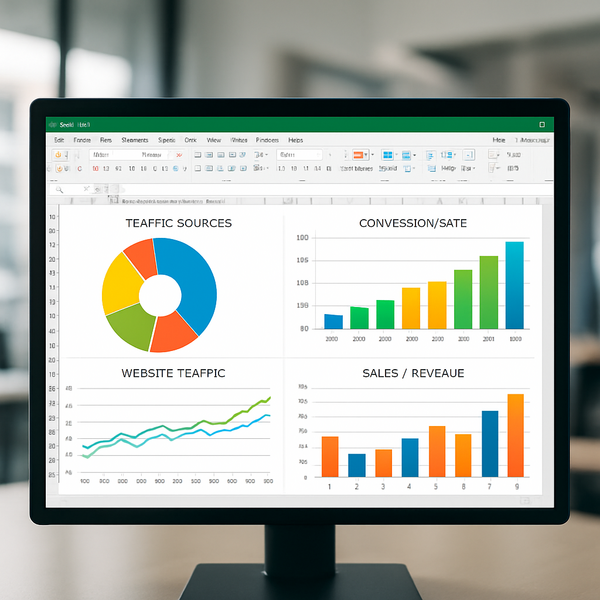
Excel’s strength lies in its ability to handle complex data relationships and create dynamic dashboards that update automatically as you input new information. This makes it easy to model different scenarios, compare channel performance, and make data-driven decisions about resource allocation.
Many Excel marketing plan templates include multiple interconnected worksheets covering different aspects of your plan. For example, you might have separate sheets for budget allocation, content calendar, channel performance metrics, and executive dashboard views. This modular approach allows teams to work on different sections simultaneously while maintaining data integrity. Our full breakdown of the Excel template walks through setting up those formulas and dashboards step by step.
How to Customize Your Digital Marketing Plan Template

Having a template is just the starting point – the real value comes from customizing it to reflect your unique business situation and marketing objectives. This customization process requires thoughtful consideration of your resources, market position, and growth goals. Taking time to properly customize your template ensures it becomes a living document that guides daily decisions rather than a static plan that sits on a shelf.
The customization process should involve key stakeholders from across your organization, not just the marketing team. Input from sales, customer service, product development, and leadership ensures your plan aligns with broader business objectives and has buy-in from all necessary parties. This collaborative approach also surfaces insights and opportunities you might miss working in isolation.
When customizing your digital marketing plan template free template examples, remember that flexibility is key. Your template should serve as a guide, not a straightjacket. Feel free to add sections that address your specific needs or remove elements that don’t apply to your situation. The goal is creating a tool that actually helps you execute better marketing, not checking boxes for the sake of completeness.
Setting Your Marketing Goals and Objectives
Effective goal setting forms the foundation of any successful digital marketing plan. Your goals should directly support broader business objectives while being specific enough to guide tactical decisions. Start by identifying your primary business goals for the planning period – whether that’s increasing revenue, expanding market share, launching new products, or improving customer retention.
Once you’ve established business goals, translate them into specific marketing objectives. For example, if your business goal is to increase revenue by 25%, your marketing objectives might include generating a certain number of qualified leads, improving conversion rates by a specific percentage, or expanding into new market segments. Each objective should have clear metrics and timelines attached.
Consider both leading and lagging indicators when setting goals. While lagging indicators like revenue and customer acquisition tell you how you’ve performed, leading indicators like website traffic, email engagement, and social media reach help you predict future performance and make adjustments before it’s too late. Your template should include space for tracking both types of metrics.
Remember to set realistic goals based on your current resources and market conditions. While ambition is important, setting unattainable goals can demoralize your team and lead to poor decision-making as you chase unrealistic targets. Use historical data, industry benchmarks, and honest assessment of your capabilities to set challenging but achievable objectives.
Defining Your Target Audience
Understanding your target audience at a deep level is crucial for effective digital marketing. Your template should guide you through creating detailed buyer personas that go beyond basic demographics to include behavioral patterns, motivations, challenges, and preferred communication styles. This understanding informs every aspect of your marketing strategy, from message development to channel selection.
Start by analyzing your existing customer data to identify patterns and segments. Look at purchase history, engagement metrics, customer service interactions, and any available survey data. This quantitative analysis provides the foundation for your personas, but don’t stop there. Conduct qualitative research through interviews, focus groups, or social media listening to understand the emotions and motivations behind the numbers.
Your personas should include information about where your audience spends time online, what types of content they consume, who influences their decisions, and what barriers prevent them from purchasing. Understanding their customer journey helps you identify opportunities to provide value at each stage and remove friction from the buying process.
Consider creating negative personas as well – profiles of people who aren’t good fits for your products or services. This helps your team avoid wasting resources on audiences unlikely to convert and can improve overall marketing efficiency. Your template should include sections for both ideal customer profiles and these negative personas.
Choosing Your Digital Marketing Channels
Channel selection should be driven by where your target audience spends time and which platforms best support your marketing objectives. Your template should help you evaluate each potential channel based on factors like audience reach, cost effectiveness, required resources, and alignment with your brand message. Avoid the temptation to be everywhere – it’s better to excel on a few channels than to spread yourself too thin.
Consider the unique strengths and requirements of each channel when making your selection. Search engine marketing excels at capturing demand from people actively looking for solutions, while social media builds brand awareness and community engagement. Email marketing offers direct access to interested audiences, while content marketing establishes thought leadership and improves organic visibility.
Your template should include space to document your channel strategy, including primary objectives for each platform, content types and frequency, success metrics, and resource requirements. This documentation ensures consistency across channels while allowing for platform-specific optimizations.
Don’t forget to consider emerging channels and technologies that might give you a competitive advantage. While you shouldn’t jump on every new platform, being an early adopter of channels that align with your audience and objectives can provide significant benefits. Your template should include a process for evaluating and testing new channels without disrupting your core marketing efforts.
Real Examples of Completed Digital Marketing Plans
Seeing how others have successfully used digital marketing plan templates can provide valuable inspiration and practical insights for your own planning process. These examples demonstrate how the same basic template structure can be adapted to meet vastly different business needs and marketing objectives. By studying successful implementations, you can identify strategies and tactics that might work for your own situation.
The key to learning from examples is understanding not just what was done, but why specific decisions were made. Each business faces unique challenges and opportunities, and their marketing plans should reflect these differences. Pay attention to how successful plans align strategies with business objectives, allocate resources based on expected returns, and build in flexibility to adapt as conditions change.
B2B Digital Marketing Plan Example
Business-to-business marketing requires a fundamentally different approach than consumer marketing, and successful B2B digital marketing plans reflect these differences. These plans typically emphasize thought leadership content, relationship building, and longer sales cycles. A well-executed B2B plan might focus heavily on LinkedIn marketing, webinar series, and detailed case studies that demonstrate expertise and ROI.
Successful B2B plans often include account-based marketing strategies that target specific high-value prospects with personalized campaigns. The template sections for audience definition become even more critical here, as B2B purchases typically involve multiple stakeholders with different priorities and concerns. Your plan needs to address how to reach and influence each member of the buying committee.
Content strategy in B2B plans tends to focus on educational materials that help prospects understand complex problems and evaluate solutions. This might include whitepapers, industry reports, comparison guides, and ROI calculators. The template should include a content calendar that maps different content types to stages of the buyer journey, ensuring prospects receive relevant information as they move toward a purchase decision.
Lead nurturing plays a crucial role in B2B digital marketing plans, as the sales cycle can extend over months or even years. Your template should include detailed workflows for email nurturing sequences, lead scoring criteria, and handoff processes between marketing and sales teams. This alignment ensures that marketing-generated leads receive appropriate follow-up and that both teams work toward common revenue goals.
E-commerce Marketing Plan Sample
E-commerce digital marketing plans focus intensively on driving immediate conversions while building long-term customer relationships. These plans typically emphasize paid advertising channels like Google Shopping and Facebook Dynamic Ads, which can directly showcase products to interested buyers. The template sections for budget allocation become critical as e-commerce businesses need to carefully balance customer acquisition costs with lifetime value.
Successful e-commerce plans include detailed strategies for each stage of the customer journey, from awareness through post-purchase engagement. This might include SEO-optimized category pages, retargeting campaigns for abandoned carts, email flows for different customer segments, and loyalty programs that encourage repeat purchases. Each element should work together to maximize both immediate sales and long-term customer value.
Data and analytics play an outsized role in e-commerce marketing plans. Your template should include sections for tracking key metrics like conversion rate, average order value, customer acquisition cost, and return on ad spend across all channels. This data-driven approach allows for rapid optimization and reallocation of resources to the most effective tactics.
Mobile optimization deserves special attention in e-commerce plans, as an increasing percentage of purchases happen on mobile devices. Your plan should address mobile user experience, page load speeds, mobile-specific ad formats, and payment options that reduce friction in the mobile checkout process. The template should prompt you to consider mobile-first strategies across all marketing channels.
Small Business Digital Marketing Template
Small business digital marketing plans must maximize impact while working with limited resources. These plans often focus on organic strategies like local SEO, social media community building, and email marketing that provide strong returns without requiring large advertising budgets. The template should help small businesses identify the highest-impact activities that align with their resource constraints.
Local marketing deserves special emphasis in small business plans. This includes optimizing Google My Business profiles, encouraging and responding to online reviews, participating in local online communities, and creating location-specific content. Your template should include sections dedicated to local marketing strategies that help small businesses compete effectively in their geographic markets.
Partnerships and collaborations often play a key role in small business marketing success. Your plan might include strategies for partnering with complementary businesses, participating in local events, or creating referral programs that leverage existing customer relationships. These collaborative approaches can significantly extend your marketing reach without proportionally increasing costs.
Content creation for small businesses needs to be efficient and purposeful. Rather than trying to maintain a daily blog, successful small business plans might focus on creating evergreen content that continues providing value over time, repurposing content across multiple channels, and leveraging user-generated content from satisfied customers. Your template should help identify sustainable content strategies that don’t overwhelm limited resources.
Industry-Specific Digital Marketing Templates
While general digital marketing principles apply across industries, successful plans recognize and address industry-specific challenges and opportunities. Industry-specific templates include relevant metrics, channels, and strategies that have proven effective for similar businesses. This specialization can significantly accelerate your planning process and help avoid common pitfalls.
Understanding your industry’s unique characteristics helps you make better decisions about resource allocation and strategy selection. For example, highly regulated industries might need to invest more in compliance and approval processes, while seasonal businesses need plans that account for dramatic fluctuations in demand. Your template should prompt consideration of these industry-specific factors.
Templates for Service-Based Businesses
Service-based businesses face unique marketing challenges centered on selling intangible value and building trust before purchase. These templates emphasize strategies for demonstrating expertise, showcasing social proof, and creating clear value propositions that help prospects understand what they’re buying. Content marketing often plays a central role, as educational content helps establish credibility and authority.
Reviews and testimonials deserve special attention in service business templates. Since prospects can’t physically examine a service before purchasing, social proof becomes crucial for building confidence. Your plan should include systematic approaches for collecting reviews, showcasing testimonials, and managing online reputation across multiple platforms.
Service business templates should also address the importance of personal branding, especially for consultants, coaches, and professional service providers. This might include strategies for thought leadership through speaking engagements, podcast appearances, and strategic social media presence. The template should help you balance promoting individual expertise with building a scalable business brand.
Lead qualification becomes particularly important for service businesses, as taking on the wrong clients can be costly in terms of time and reputation. Your template should include criteria for identifying ideal clients, processes for qualifying leads before extensive sales conversations, and strategies for attracting high-value clients while discouraging poor fits.
Retail and E-commerce Templates
Retail and e-commerce templates address the unique challenges of selling physical products in competitive markets. These templates typically include extensive sections on competitive analysis, pricing strategies, and multi-channel integration. With consumers expecting seamless experiences across online and offline channels, your plan needs to address how different touchpoints work together.
Inventory management and marketing coordination deserve special attention in retail templates. Your marketing campaigns need to align with inventory levels, seasonal trends, and supply chain realities. The template should include processes for coordinating with operations teams and adjusting marketing efforts based on product availability.
Visual content strategy plays a crucial role in retail marketing success. Your template should address product photography, video content, user-generated content, and visual social media strategies. This includes planning for different visual needs across channels – from high-resolution product images for your website to lifestyle photography for social media.
Promotional planning requires careful attention in retail templates. This includes not just discount strategies but also exclusive offers, limited edition products, and experiential marketing opportunities. Your template should help you plan promotional calendars that drive sales while protecting brand value and margins.
SaaS and Technology Company Templates
Software as a Service (SaaS) and technology companies operate with unique business models that require specialized marketing approaches. These templates emphasize metrics like customer acquisition cost, lifetime value, churn rate, and monthly recurring revenue. Free trial or freemium strategies often play central roles, requiring careful planning of the user journey from trial to paid conversion.
Product marketing and feature adoption deserve special sections in SaaS templates. Beyond acquiring new customers, successful SaaS companies must continuously engage existing users, encourage feature adoption, and reduce churn. Your template should include strategies for onboarding, user education, and ongoing engagement that maximizes customer lifetime value.
Technical content marketing often drives SaaS marketing success. This includes detailed documentation, API guides, integration tutorials, and technical blog posts that attract developers and technical decision-makers. Your template should help you balance technical depth with accessibility, ensuring content serves both technical and business audiences.
Community building and user advocacy programs can significantly impact SaaS marketing success. Your template should include strategies for building user communities, encouraging peer-to-peer support, and creating advocate programs that turn satisfied customers into marketing assets. These organic growth strategies often provide the best return on investment for SaaS companies.
Tracking Success with Your Marketing Plan Template
A marketing plan without measurement is just a wish list. Your template must include robust tracking mechanisms that help you understand what’s working, what isn’t, and where to adjust your efforts. This goes beyond simply collecting data – you need systems for analyzing performance, identifying trends, and making data-driven decisions that improve results over time.
Effective tracking starts with choosing the right metrics for your business objectives. While it’s tempting to track everything, focusing on key performance indicators that directly relate to your goals provides clearer insights and prevents analysis paralysis. Your template should help you identify these critical metrics and establish benchmarks for success.
Built-in KPI Tracking Features
Modern digital marketing plan templates include sophisticated KPI tracking features that go beyond simple metric collection. These might include automated dashboards that pull data from multiple sources, calculated fields that show relationships between different metrics, and visual indicators that highlight when performance deviates from targets. The goal is making data accessible and actionable for everyone involved in executing the plan.
Your KPI tracking should address both channel-specific metrics and overall marketing performance. Channel metrics might include click-through rates for paid ads, engagement rates for social media, or conversion rates for email campaigns. Overall metrics focus on business impact – leads generated, revenue influenced, and return on marketing investment. Your template should help you balance both perspectives.
Attribution modeling deserves careful consideration in your tracking setup. Understanding which marketing touches contribute to conversions helps you allocate resources more effectively. Your template should include frameworks for attribution analysis, whether using simple last-touch attribution or more sophisticated multi-touch models. This understanding becomes crucial as customer journeys grow more complex.
Regular reporting cadences ensure that tracking actually influences decision-making. Your template should establish daily, weekly, monthly, and quarterly reporting rhythms that align with different stakeholder needs. Daily metrics might focus on campaign performance and immediate optimizations, while quarterly reviews examine strategic effectiveness and inform future planning.
Monthly Review and Optimization Tips
Monthly reviews provide the perfect balance between having enough data to identify trends and maintaining agility to adjust strategies. Your template should include a structured review process that examines performance across all channels, identifies successful tactics worth scaling, and flags underperforming areas requiring attention. This systematic approach ensures continuous improvement rather than set-it-and-forget-it marketing.
During monthly reviews, look beyond surface-level metrics to understand the why behind performance. If email open rates dropped, was it due to subject line quality, sending frequency, or list fatigue? If paid ad costs increased, did competition intensify or did ad quality decline? Your template should prompt these deeper investigations that lead to actionable insights.
Optimization opportunities often hide in the segments and details. Your monthly review should examine performance by audience segment, geographic region, device type, and other relevant dimensions. This segmented analysis often reveals opportunities to improve targeting, adjust messaging, or reallocate budget to higher-performing segments.
Document your learnings and create an optimization backlog during each monthly review. This running list of improvement opportunities ensures you’re always working on high-impact optimizations rather than making random changes. Your template should include space for capturing these insights and tracking the impact of implemented optimizations over time.
Remember that optimization is an ongoing process, not a destination. Markets change, competitors evolve, and customer preferences shift. Your monthly reviews should examine not just current performance but also emerging trends that might require strategic adjustments. This forward-looking perspective helps you stay ahead of changes rather than simply reacting to them.
Consider establishing a testing calendar as part of your monthly optimization process. Whether testing new ad creative, email subject lines, or landing page designs, systematic testing provides the data needed for confident decision-making. Your template should include frameworks for planning tests, documenting results, and scaling successful experiments.
Finally, use your monthly reviews to celebrate wins and recognize team contributions. Digital marketing success requires sustained effort from multiple team members, and acknowledging achievements helps maintain motivation and engagement. Your template might include sections for highlighting top performers, sharing success stories, and building momentum for continued improvement.
In conclusion, a well-chosen and properly customized digital marketing plan template provides the structure needed for marketing success while maintaining flexibility for your unique situation. Whether you prefer Word documents for narrative planning, Excel for data-driven analysis, or print-friendly format for standardized processes, the right template accelerates your planning and improves your results. Take time to explore different options, customize thoroughly for your needs, and commit to regular review and optimization. With these elements in place, your digital marketing plan becomes a powerful tool for achieving your business objectives and outperforming your competition.
For additional guidance on marketing strategies and best practices, visit the Marketing and sales | U.S. Small Business Administration resource center, which offers valuable insights for businesses of all sizes.