

Digital Marketing Plan Template Doc: Create Your Strategy – Creating a comprehensive digital marketing strategy doesn’t have to be overwhelming. With the right digital marketing plan template doc, you can organize your marketing efforts, set clear goals, and track your progress effectively. Whether you’re a small business owner, marketing manager, or consultant, having a structured framework helps ensure no critical elements are overlooked.
A well-designed template serves as your roadmap, guiding you through each component of your marketing strategy while maintaining flexibility for your unique business needs. This guide will walk you through everything you need to know about choosing, customizing, and implementing a digital marketing plan template that drives real results.
What Makes a Great Digital Marketing Plan Template
The best digital marketing plan templates strike a balance between comprehensiveness and usability. They provide structure without being overly rigid, allowing you to adapt the framework to your specific industry and goals. A great template should feel like a helpful guide rather than a constraining form to fill out.
Essential Components Every Template Needs
A robust digital marketing plan template must include several key sections to be truly effective. The executive summary provides a high-level overview of your strategy, making it easy for stakeholders to understand your approach quickly. This section typically includes your primary objectives, target audience summary, and expected outcomes.
Your template should have a dedicated section for market analysis and competitor research. Understanding your competitive landscape helps identify opportunities and potential challenges. Include spaces to document your competitors’ strategies, their strengths and weaknesses, and gaps in the market you can exploit.
The target audience section needs to be detailed enough to capture multiple buyer personas. Each persona should include demographic information, pain points, preferred communication channels, and buying behaviors. This information forms the foundation for all your marketing decisions.
Budget allocation is another critical component. Your template should include sections for both overall budget and channel-specific allocations. This helps you track spending and ROI across different marketing activities. Include both planned and actual spending columns to monitor variances.
A comprehensive timeline or calendar view helps visualize your marketing activities across the year. This should include campaign launch dates, content publishing schedules, and key marketing milestones. Having this visual representation prevents overlapping campaigns and ensures consistent marketing presence.
How to Choose the Right Template Format
The format of your digital marketing plan template significantly impacts its usability and effectiveness. Document formats like Word or Google Docs offer flexibility and ease of editing, making them ideal for teams that need to collaborate and make frequent updates. These formats work well for narrative-style plans with detailed explanations and context.
Spreadsheet-based templates excel at tracking metrics, budgets, and timelines. They’re particularly useful if you need to perform calculations, create charts, or manage large amounts of data. Consider using spreadsheets for the analytical components of your plan while keeping strategic narratives in document format.
Presentation formats work well when you need to communicate your plan to stakeholders or team members. They force you to distill information into key points and visuals, making complex strategies more digestible. However, they may lack the detail needed for day-to-day implementation.
Hybrid approaches often work best, combining different formats for different purposes. You might use a document for the strategic overview, spreadsheets for budgets and metrics, and presentations for stakeholder updates. The key is choosing formats that match how you’ll actually use the plan.
Key Sections of Your Marketing Plan Document
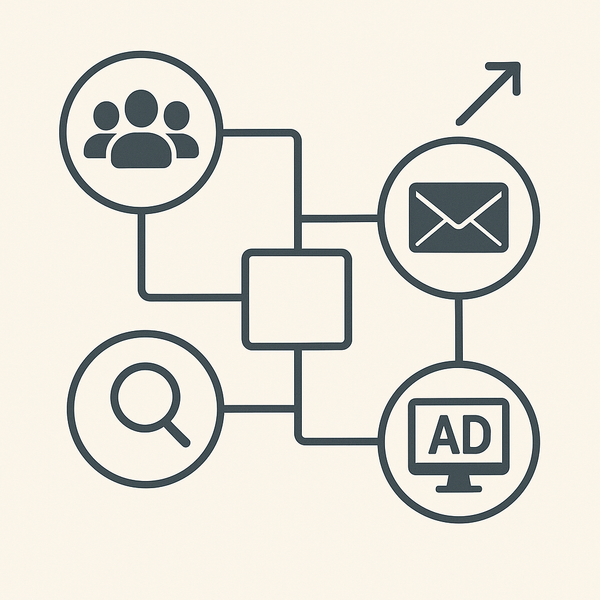
Understanding each section of your marketing plan template ensures you create a comprehensive strategy that addresses all aspects of your digital marketing efforts. Each section builds upon the previous ones, creating a cohesive narrative that guides your marketing activities.
Executive Summary and Goals
The executive summary serves as the cornerstone of your digital marketing plan. Start by clearly articulating your business objectives and how marketing supports these goals. Be specific about what success looks like, whether that’s increasing brand awareness, generating leads, or driving sales.
Your goals should follow the SMART framework: Specific, Measurable, Achievable, Relevant, and Time-bound. Instead of vague objectives like “increase website traffic,” set concrete targets such as “increase organic website traffic by 40% within six months.” This specificity makes it easier to track progress and adjust strategies.
Include both short-term and long-term goals in your template. Short-term goals might focus on immediate wins like launching a new social media campaign or improving email open rates. Long-term goals could involve building brand authority, expanding into new markets, or achieving specific revenue targets.
Document your key performance indicators (KPIs) for each goal. These metrics will guide your measurement strategy and help you determine whether your marketing efforts are successful. Common KPIs include conversion rates, customer acquisition costs, lifetime value, and return on marketing investment.
Target Audience Analysis
Deep understanding of your target audience forms the foundation of effective digital marketing. Your template should include detailed buyer personas that go beyond basic demographics. Consider psychographic factors like values, interests, and lifestyle choices that influence purchasing decisions.
Document the customer journey for each persona, mapping out touchpoints from awareness through purchase and beyond. Understanding these journeys helps you create content and campaigns that resonate at each stage. Include pain points, questions, and objections that arise during the buying process.
Research and document where your audience spends time online. Which social media platforms do they prefer? What types of content do they consume? What influences their purchasing decisions? This information guides your channel selection and content strategy.
Include a section for audience insights and feedback mechanisms. How will you gather ongoing information about your audience? Consider surveys, social media listening, website analytics, and customer interviews as sources of valuable audience data.
Digital Channel Strategy
Your channel strategy section should outline how you’ll use each digital marketing channel to reach your goals. Start with owned media channels like your website, blog, and email list. These channels give you the most control and often provide the highest ROI.
Detail your content marketing approach for each channel. What types of content will you create? How often will you publish? Who is responsible for content creation and distribution? Include a content calendar template to help plan and track your content efforts.
Social media strategy deserves its own subsection within your channel strategy. Specify which platforms you’ll use, your posting frequency, and the types of content you’ll share. Include guidelines for community management and engagement tactics.
Paid advertising strategy should cover search engine marketing, social media advertising, and display advertising. Document your budget allocation, targeting criteria, and expected returns for each paid channel. Include testing strategies to optimize campaign performance over time.
Email marketing remains one of the most effective digital channels. Your template should include sections for list building strategies, segmentation approaches, and campaign calendars. Consider automation workflows that nurture leads and drive conversions.
Customizing Your Marketing Plan Template
While templates provide valuable structure, customization ensures your marketing plan reflects your unique business needs and market conditions. The ability to adapt your template makes it a living document that evolves with your business.
Adapting for Your Industry
Different industries require different marketing approaches, and your template should reflect these nuances. B2B companies typically need longer sales cycles and more educational content, while B2C businesses might focus on emotional connections and impulse purchases.
Consider industry-specific regulations that might impact your marketing efforts. Healthcare, finance, and legal services face strict advertising guidelines that should be reflected in your plan. Include compliance checkpoints and approval processes in your template.
Industry benchmarks help set realistic expectations for your marketing performance. Research average conversion rates, cost per acquisition, and other metrics specific to your industry. Use these benchmarks to inform your goal setting and budget allocation.
Seasonal fluctuations common to your industry should be built into your planning template. Retail businesses need to plan for holiday shopping seasons, while B2B companies might see slowdowns during summer months. Adjust your marketing calendar and budget allocation accordingly.
Setting Realistic Timelines and Budgets
Effective timeline planning prevents rushed campaigns and ensures consistent marketing presence. Your template should include both macro-level timelines for major campaigns and micro-level schedules for daily or weekly activities.
Build buffer time into your timelines to account for unexpected delays or revisions. Creative development, approval processes, and technical implementation often take longer than expected. A realistic timeline prevents stress and maintains quality standards.
Budget planning requires balancing ambition with available resources. Start with your total marketing budget and work backwards, allocating funds to channels and campaigns based on expected ROI. Include contingency funds for testing new opportunities or addressing unexpected challenges.
Consider the relationship between time and money in your planning. Organic strategies like SEO and content marketing require significant time investment but lower monetary costs. Paid advertising can generate quick results but requires ongoing budget allocation. Your template should help balance these trade-offs.
Using Your Template for Strategic Planning
A digital marketing plan template doc becomes truly valuable when used as an active tool for strategic planning and decision-making. Regular use and updates transform it from a static document into a dynamic guide for your marketing efforts.
Quarterly Review Process
Establishing a regular review cadence ensures your marketing plan stays relevant and effective. Quarterly reviews provide enough time to see meaningful results while remaining agile enough to adapt to changing conditions.
During each review, assess progress against your established KPIs. Which strategies are exceeding expectations? Which are falling short? Use data-driven insights to inform adjustments to your tactics and resource allocation.
Market conditions and competitive landscapes change rapidly in digital marketing. Your quarterly review should include environmental scanning to identify new opportunities or threats. Update your competitor analysis and adjust strategies accordingly.
Team feedback is crucial during reviews. Gather input from everyone involved in executing the marketing plan. They often have valuable insights about what’s working, what’s challenging, and what could be improved in the planning process.
Document lessons learned and best practices discovered during each quarter. This knowledge base becomes invaluable for future planning and helps your team continuously improve its marketing effectiveness.
Tracking KPIs and Metrics
Effective measurement starts with choosing the right metrics to track. Your template should distinguish between vanity metrics that look impressive but don’t drive business results and actionable metrics that directly relate to your goals.
Create a measurement framework that connects activities to outcomes. For example, track not just website traffic but also how that traffic converts to leads and sales. This end-to-end view helps you understand the true impact of your marketing efforts.
Establish baseline measurements before implementing new strategies. Without baselines, you can’t accurately assess improvement. Your template should include space to record starting points for all key metrics.

Regular reporting keeps stakeholders informed and maintains accountability. Design reporting templates that clearly communicate progress, challenges, and recommended actions. Visual dashboards often communicate complex data more effectively than text-heavy reports.
Use attribution modeling to understand how different marketing touchpoints contribute to conversions. Your template should help track customer interactions across channels to develop a complete picture of the customer journey.
Common Mistakes to Avoid
Learning from common pitfalls helps you create a more effective digital marketing plan. Understanding these mistakes before you make them saves time, money, and frustration.
Over-complicating Your Plan
Complexity often masquerades as thoroughness, but overly complicated plans rarely succeed. If your team struggles to understand or implement the plan, it’s too complex. Simplicity drives action and results.
Avoid creating dozens of buyer personas when two or three would suffice. Each additional persona adds complexity to your content creation and campaign management. Focus on your most valuable customer segments first.
Resist the temptation to use every available marketing channel simultaneously. Starting with too many channels dilutes your efforts and makes it difficult to excel at any one strategy. Master a few channels before expanding your reach.
Keep your metrics focused on what matters most. Tracking every possible data point creates analysis paralysis. Choose a handful of meaningful KPIs that directly relate to your business objectives.
Simplify approval processes and decision-making hierarchies. Complex approval chains slow down marketing execution and reduce agility. Your template should clarify who makes which decisions to streamline operations.
Ignoring Mobile and Emerging Channels
Mobile optimization is no longer optional in digital marketing. Your template must account for mobile-first strategies across all channels. This includes responsive design, mobile-friendly content formats, and mobile-specific user experiences.
Voice search optimization deserves consideration in modern marketing plans. As smart speakers and voice assistants become more prevalent, optimizing for conversational queries becomes increasingly important.
Video content continues to dominate user engagement across platforms. Your template should include strategies for creating and distributing video content, even if you’re starting with simple formats like screen recordings or animated graphics.
Emerging social media platforms offer opportunities to reach audiences before markets become saturated. While you shouldn’t chase every new platform, your template should include a process for evaluating and testing new channels.
Artificial intelligence and automation tools are transforming digital marketing. Consider how chatbots, predictive analytics, and automated personalization could enhance your marketing effectiveness. Your template should evolve to incorporate these technologies.
Privacy regulations and changes to tracking technologies require adaptation in your marketing approach. Stay informed about developments like cookie deprecation and privacy laws that might impact your ability to track and target customers.
Integration between online and offline experiences becomes increasingly important. Your digital marketing plan should consider how online strategies support and enhance offline customer interactions, creating seamless omnichannel experiences.
The digital marketing landscape evolves rapidly, but a well-structured template provides stability while maintaining flexibility. By focusing on core strategic elements while remaining open to new opportunities, your digital marketing plan template becomes a powerful tool for achieving consistent, measurable results. Remember that the best template is one you’ll actually use, so prioritize practicality and clarity over perfection. Start with the fundamentals outlined in this guide, then refine your approach based on experience and results.
For additional guidance on marketing strategies, consider exploring resources from the Marketing and sales | U.S. Small Business Administration, which offers valuable insights for businesses of all sizes.